|
每年的公歷四月五日前后為清明節,是二十四節氣之一。今年的清明節是4月4日。在二十四個節氣中,既是節氣又是節日的只有清明。清明節是我國傳統節日,也是最重要的祭祀節日。按照舊的習俗,祭祀(掃墓)時,人們要攜帶酒食果品、紙錢等物品到墓地,將食物供祭在親人墓前,再將紙錢焚化,為墳墓培上新土,折幾枝嫩綠的新枝插在墳上,然后叩頭行禮祭拜,最后吃掉酒食回家。
清明節,又叫踏青節,正是春光明媚草木吐綠的時節,也正是人們春游的好時候,所以古人有清明踏青,并開展一系列體育活動的的習俗。直到今天,清明節祭拜祖先,悼念已逝的親人的習俗仍很盛行。
|
|
Celebrated two weeks after the vernal equinox, Tomb Sweeping Day is one of the few traditional Chinese holidays that follows the solar calendar-- typically falling on April 4, 5, or 6.
Its Chinese name "Qing Ming" literally means "Clear Brightness," hinting at its importance as a celebration of Spring. Similar to the spring festivals of other cultures, Tomb Sweeping Day celebrates the rebirth of nature, while marking the beginning of the planting season and other outdoor activities.
 Qing Ming Jie in Ancient Times
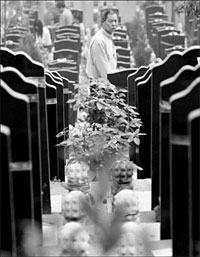 |
| An old man takes one last look before leaving the City Cemetery at Biandanshan of Wuhan, Central China's Hubei Province. |
In ancient times, people celebrated Qing Ming Jie with dancing, singing, picnics, and kite flying. Colored boiled eggs would be broken to symbolize the opening of life. In the capital, the Emperor would plant trees on the palace grounds to celebrate the renewing nature of spring. In the villages, young men and women would court each other.
The Tomb Sweeping Day as Celebrated Today
With the passing of time, this celebration of life became a day to the honor past ancestors. Following folk religion, the Chinese believed that the spirits of deceased ancestors looked after the family. Sacrifices of food and spirit money could keep them happy, and the family would prosper through good harvests and more children.
Today, Chinese visit their family graves to tend to any underbrush that has grown. Weeds are pulled, and dirt swept away, and the family will set out offerings of food and spirit money. Unlike the sacrifices at a family's home altar, the offerings at the tomb usually consist of dry, bland food. One theory is that since any number of ghosts rome around a grave area, the less appealing food will be consumed by the ancestors, and not be plundered by strangers.
Honoring Ancestors
Honoring ancestors begins with proper positioning of a gravesite and coffin. Experts in feng shui, or geomancy, determine the quality of land by the surrounding aspects of streams, rivers, trees, hills, and so forth. An area that faces south, with groves of pine trees creates the best flow of cosmic energy required to keep ancestors happy. Unfortunately, nowadays, with China's burgeoning population, public cemetaries have quickly surplanted private gravesites. Family elders will visit the gravesite at least once a year to tend to the tombs.
While bland food is placed by the tombs on Qing Ming Jie, the Chinese regularly provide scrumptious offerings to their ancestors at altar tables in their homes. The food usually consists of chicken, eggs, or other dishes a deceased ancestor was fond of. Accompanied by rice, the dishes and eating utensils are carefully arranged so as to bring good luck. Sometimes, a family will put burning incense with the offering so as to expedite the transfer of nutritious elements to the ancestors. In some parts of China, the food is then eaten by the entire family.
Kites
Besides the traditions of honoring the dead, people also often fly kits on Tomb Sweeping Day. Kites can come in all kinds of shapes, sizes, and colors. Designs could include frogs, dragonflies, butterflies, crabs, bats, and storks.
(通訊員東華大學傅麗莉投稿 英語點津陳蓓編輯)





 主站蜘蛛池模板:
无码人妻一区二区三区免费N鬼沢
亚洲国产精品自产在线播放
|
国产成人精品亚洲午夜|
韩国的无码av看免费大片在线|
国产精品久久这里只有精品|
亚洲深夜精品在线观看|
国产午夜精品久久久久免费视|
人妻av无码系列一区二区三区|
制服丝袜美腿一区二区|
久久这里都是精品一区|
亚洲自拍偷拍福利小视频|
国产高清精品在线91|
亚洲国产精品自在拍在线播放蜜臀|
激情五月日韩中文字幕|
国产在线无码不卡播放|
老司机亚洲精品影院|
麻豆一区二区三区精品视频|
国内精品人妻一区二区三区|
色窝窝免费播放视频在线|
国产成人午夜福利在线小电影|
国产欧美精品一区aⅴ影院|
免费播放一区二区三区成片|
欧美精欧美乱码一二三四区|
美女自卫慰黄网站|
久久婷婷五月综合97色直播
|
亚洲国产成人av在线观看|
久久久99精品成人片中文字幕|
高清视频一区二区三区|
japanese精品少妇|
国产精品一二二区视在线|
亚洲精品一区二区三天美|
韩国无码AV片午夜福利|
亚洲色婷婷一区二区|
亚洲日本欧美日韩中文字幕|
亚洲熟妇色自偷自拍另类|
亚洲国模精品一区二区|
国产成人AV性色在线影院|
蜜桃av多人一区二区三区|
久久人妻av一区二区三区|
强奷漂亮少妇高潮伦理|
日韩av无码精品人妻系列|
内射极品少妇xxxxxhd|
主站蜘蛛池模板:
无码人妻一区二区三区免费N鬼沢
亚洲国产精品自产在线播放
|
国产成人精品亚洲午夜|
韩国的无码av看免费大片在线|
国产精品久久这里只有精品|
亚洲深夜精品在线观看|
国产午夜精品久久久久免费视|
人妻av无码系列一区二区三区|
制服丝袜美腿一区二区|
久久这里都是精品一区|
亚洲自拍偷拍福利小视频|
国产高清精品在线91|
亚洲国产精品自在拍在线播放蜜臀|
激情五月日韩中文字幕|
国产在线无码不卡播放|
老司机亚洲精品影院|
麻豆一区二区三区精品视频|
国内精品人妻一区二区三区|
色窝窝免费播放视频在线|
国产成人午夜福利在线小电影|
国产欧美精品一区aⅴ影院|
免费播放一区二区三区成片|
欧美精欧美乱码一二三四区|
美女自卫慰黄网站|
久久婷婷五月综合97色直播
|
亚洲国产成人av在线观看|
久久久99精品成人片中文字幕|
高清视频一区二区三区|
japanese精品少妇|
国产精品一二二区视在线|
亚洲精品一区二区三天美|
韩国无码AV片午夜福利|
亚洲色婷婷一区二区|
亚洲日本欧美日韩中文字幕|
亚洲熟妇色自偷自拍另类|
亚洲国模精品一区二区|
国产成人AV性色在线影院|
蜜桃av多人一区二区三区|
久久人妻av一区二区三区|
强奷漂亮少妇高潮伦理|
日韩av无码精品人妻系列|
内射极品少妇xxxxxhd|