China-US cooperation vital in war on drugs







The world is facing a new drug crisis. Moving beyond fentanyl, a new generation of synthetic drugs — nitazenes, etomidate and other variants — are posing a global threat to communities and health systems. Last year, more than 70,000 people died from opioid overdoses in the United States alone. But the risk from newer synthetic drugs is not confined to the US.
Drug overdose deaths are not just a health tragedy but also an economic loss. The loss of productive youth can be crippling for an economy. The long-term health problems of addicts, exploitation of drug mules, distortions in legitimate chemical trade and the lost productivity of future generations all weigh heavily on societies. Moreover, illegal drugs fuel organized crime, corruption and instability that cross borders as easily as the drugs themselves.
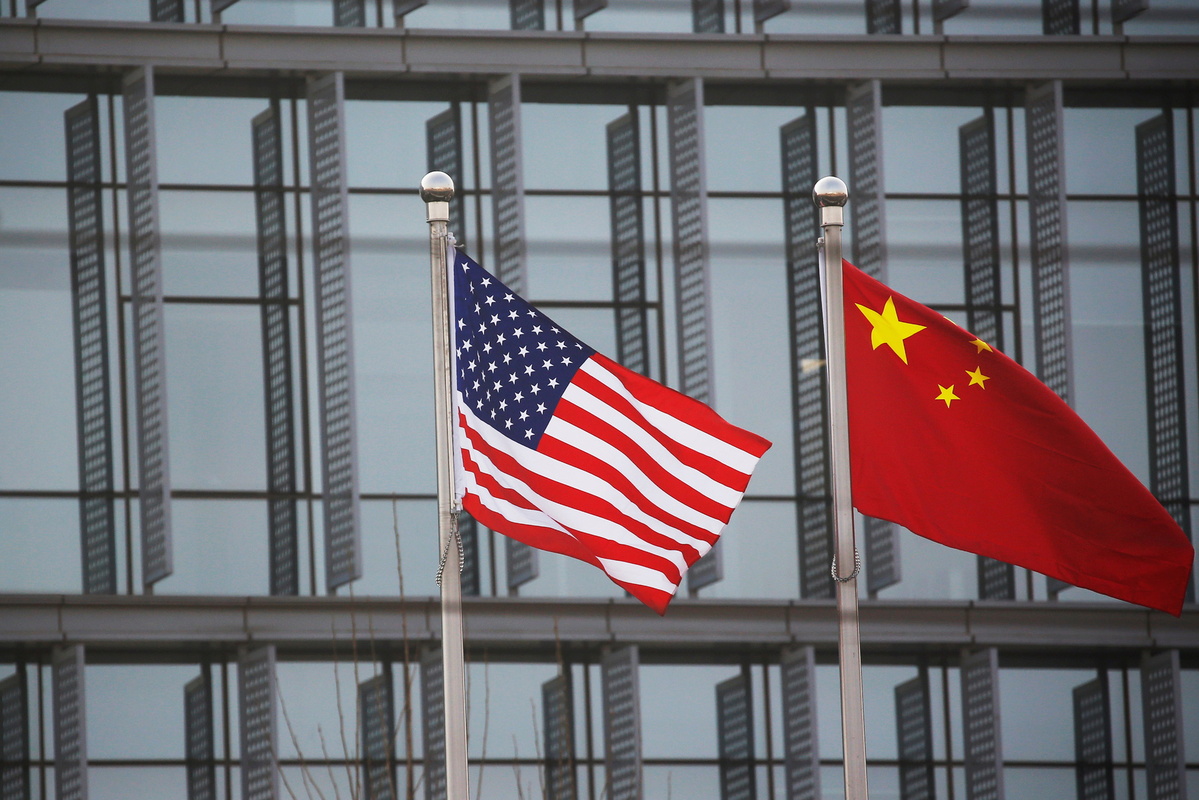
Tackling this growing crisis requires strong leadership. And China and the US are best positioned to provide it. As the two largest economies and leading players in chemical manufacturing and regulation, China and the US share critical interests as well as the responsibility to use their global influence to curb the spread of synthetic drugs.
China has shown that it can act decisively. Its 2019 blanket scheduling of all fentanyl analogues set a "best practice" standard that was later adopted by other countries. More recently, China expanded class-wide controls to nitazenes and additional psychoactive substances, while strengthening digital tracking of chemical sales and export licensing. The US, for its part, has elevated fentanyl to a top national security threat and invested heavily in enforcement, treatment and overdose prevention. It too has recently adopted class-wide scheduling and other legal tools.
But, as observed by State Councillor Wang Xiaohong at the recent Global Public Security Cooperation Forum in Lianyungang, "unilateral action will never be enough". Criminal networks are agile and the design of synthetic drugs is fluid. Criminal labs shift their location, chemicals are sourced from new suppliers and traffickers exploit regulatory gaps to escape the law. What is needed is practical cooperation: faster sharing of intelligence, coordinated enforcement operations and joint supply-chain safeguards.
China's success in attaining a remarkable year-on-year decline in illegal drug use offers important lessons for the world. The shared use of advanced technologies such as AI-driven customs screening would be invaluable in this effort. These are not ideological goals but necessities that can make a difference of life and death.
Skeptics may argue that US-China cooperation is difficult in today's geopolitical climate that is marked by frequent skirmishes. But history shows that functional collaboration on urgent, specific issues is possible, even among competitors. Past cooperation between US and Chinese law enforcement agencies has effectively dismantled transnational illicit drug networks and saved lives. Building on that good track record, the two nations can pioneer what I call "semi-harmonious cooperation": a pragmatic, issue-based partnership focused squarely on results.
When Beijing and Washington co-lead in this space, they will not only save lives but also weaken the grip of criminal drug syndicates. In doing so, they will set an important example of global leadership in an era increasingly defined by fragmentation. Tackling the synthetic drug crisis together will show that even the fiercest competitors can find common cause when human lives are at stake.
The opportunity is for China and the US to show that shared threats demand shared leadership. The world cannot afford for them to do otherwise.
The author is a retired New Zealand police officer and a visiting professor at the People's Public Security University of China.
The views don't necessarily reflect those of China Daily.
If you have a specific expertise, or would like to share your thought about our stories, then send us your writings at opinion@chinadaily.com.cn, and comment@chinadaily.com.cn.