Technology will ensure future heroes save lives and live








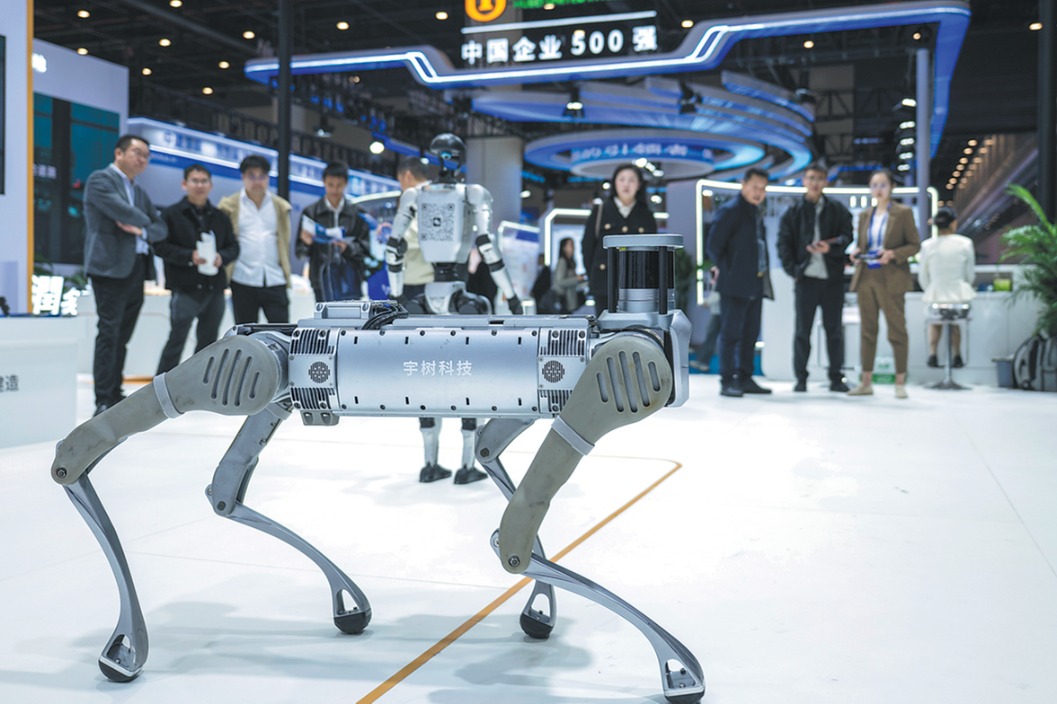
To be a robot or not? That is the question posed by IRON Robots. These machines have ignited a lively debate due to their strikingly human-like appearance, even prompting the unveiling of one robot's skeleton to prove their authenticity. Nevertheless, these robots offer a tantalizing glimpse into the potential trajectory of China's robotics industry that may be guided in the forthcoming 15th Five-Year Plan (2026-30).
Recently released recommendations for this plan underscore the significance of exploring a variety of technological pathways and typical application scenarios for emerging drivers, including embodied artificial intelligence, which is aimed at combining physical presence with cognitive capabilities.
People used to perform heroic deeds daily. Although many heroes' names are unforgotten, and many fallen heroes leave behind family members, their sacrifice represents a noble choice — "sacrificing personal family obligations for the greater community".
Yet as we honor such sacrifices, we must ask ourselves: in an age of unprecedented technological advancement, should we continue to accept this painful trade-off between duty and family? The development of robotics, artificial intelligence, and remote technologies offers us an opportunity to rewrite this narrative — not by diminishing the valor of our heroes, but by preserving their lives while maintaining their mission.
The emergency exercises across China this year showed us exactly what is possible. In Guizhou province's Rongjiang county, devastating floods necessitated the evacuation of 40,000 people. But technological advancement made the once impossible possible: drones delivered supplies in 30 minutes flat and robots navigated flooded streets, which would have forced human rescuers to face deadly conditions. These machines are not replacing human bravery; they are making it safer and more effective for humans to help those in need.
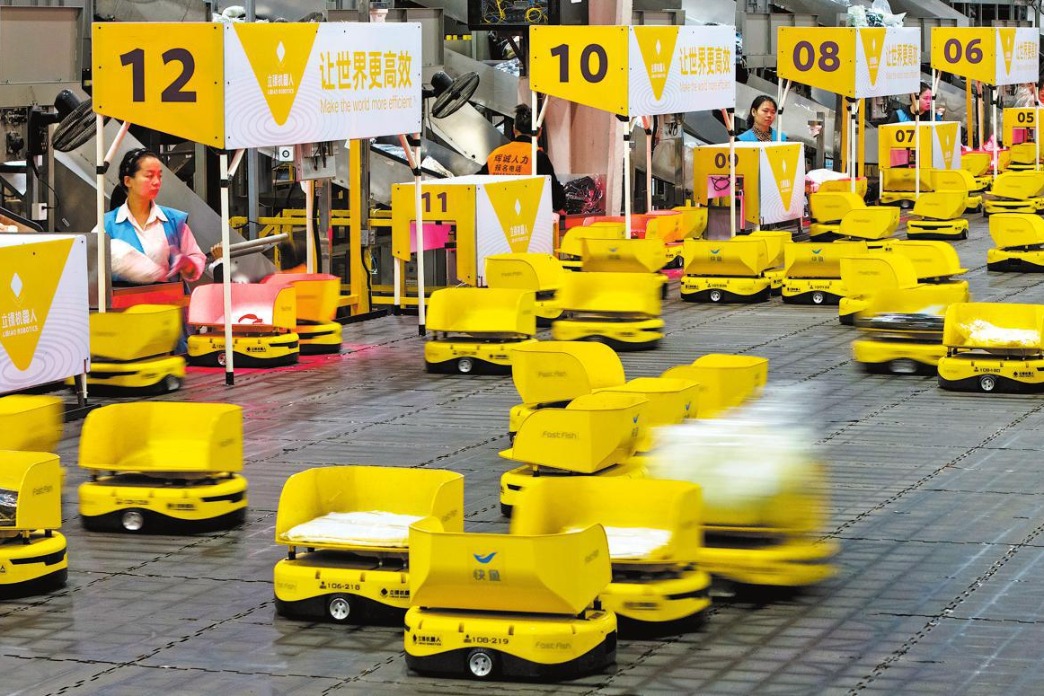
This shift changes everything — ethically. According to Morgan Stanley, the size of China's robotics market is expected to grow from $47 billion in 2024 to $108 billion in 2028.
When robots can crawl into collapsed buildings to find survivors, when AI can process disaster data in seconds to map the best rescue routes, and when drones can restore communications in areas cut off by disasters, we start solving what philosophers call the conflict between duty and family. Heroes can still serve their community without sacrificing their lives.
Think about the emotional toll on first responders. Studies show that emergency workers constantly struggle with guilt. They miss telling their kids bedtime stories, their parents' doctor appointments, their spouse's birthdays. This internal conflict between professional duty and personal responsibility leaves lasting scars. Technology offers a way out by cutting down on dangerous deployments and keeping rescue workers who respond safe.
Remote operation capabilities are game-changers. Bomb disposal robots let experts defuse explosives from safe distances. Underwater drones carry out search operations even in dangerous currents without risking human divers' lives. Firefighting robots can charge into burning buildings ahead of humans, reducing their exposure time. These innovations don't eliminate the need for human expertise — they just make it safer to apply it.
Technology does something else, too, which is equally important. It keeps families connected during crises. Real-time communication systems let rescue workers stay in touch with home during long operations. Video calls allow them to virtually attend family events even during emergencies. GPS tracking devices give families peace of mind by convincing them their loved ones are safe.
AI takes this transformation even further. Machine learning can predict disaster patterns, enabling evacuations before things get dangerous. Predictive analytics optimize resource deployment, ensuring human responders swing into action only when they are needed. Smart early warning systems give communities time to prepare, reducing the scale of heroic intervention.
Technological advancement is not eliminating heroism, it is evolving it. Tomorrow's heroes will command fleets of rescue drones, operate sophisticated detection systems and coordinate AI-powered response networks. They will still show incredible courage, but that courage will multiply many-fold thanks to the help of tools that extend their reach while protecting their lives.
China's rapid advancement in emergency response technology shows what is possible when innovation serves humans. Heroes will still answer the call to serve in the future, but they will do so with equipment that honors both their duty to society and their commitment to family.
This represents more than technological progress — it is social evolution guided by compassion. By protecting our protectors, we give rise to a more humane form of heroism, one in which sacrifice becomes strategy, technology amplifies rather than replaces human courage, and where the ancient conflict between duty and family finds resolution through smart innovation.
The heroes of tomorrow will not have to choose between saving lives and living their own. They will do both, supported by machines that share the load and AI that guides the way. That is not just technological advancement — that is human progress at its finest.
In the end, we honor our heroes of the past not by accepting more unnecessary deaths, but by ensuring future heroes serve without sacrificing their lives. Technology is not diminishing the human spirit; it is liberating it. In that liberation lies the promise of a more compassionate world, where courage is amplified by intelligence, where service is sustained by safety, and where heroes can truly have it all.
The author is a professor in the School of Journalism at Chongqing University.
The views don't necessarily reflect those of China Daily.
If you have a specific expertise, or would like to share your thought about our stories, then send us your writings at opinion@chinadaily.com.cn, and comment@chinadaily.com.cn.