AI golden opportunities for China and ASEAN







China's proposals for the 15th Five-Year Plan (2026-30) are prepared at a time when the global economy is witnessing transformative changes. The past few years have seen deep technological disruption, volatile geopolitics and shifting patterns of trade and production. These changes influence China's economic prospects, as well as those of regions tightly integrated with the Chinese economy, such as the Association of Southeast Asian Nations.
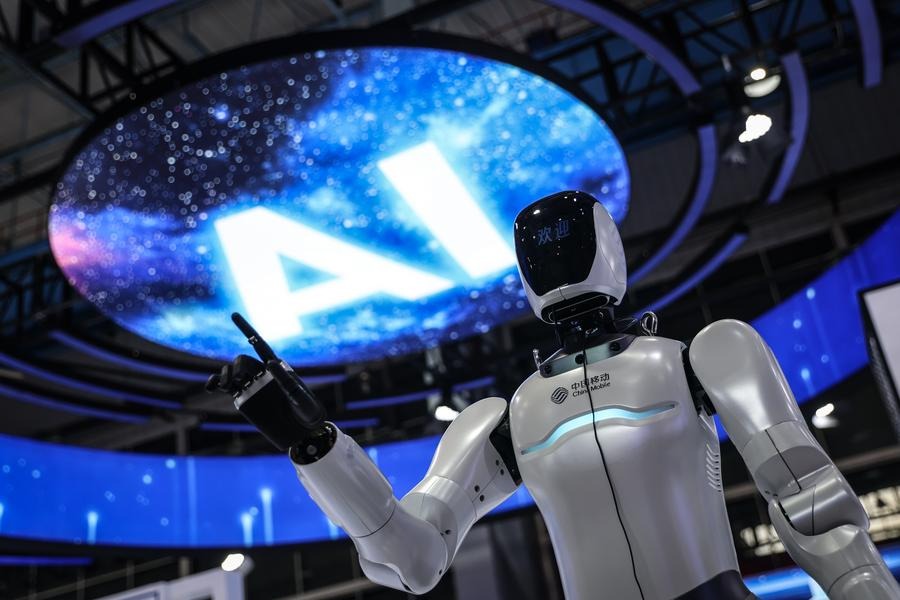
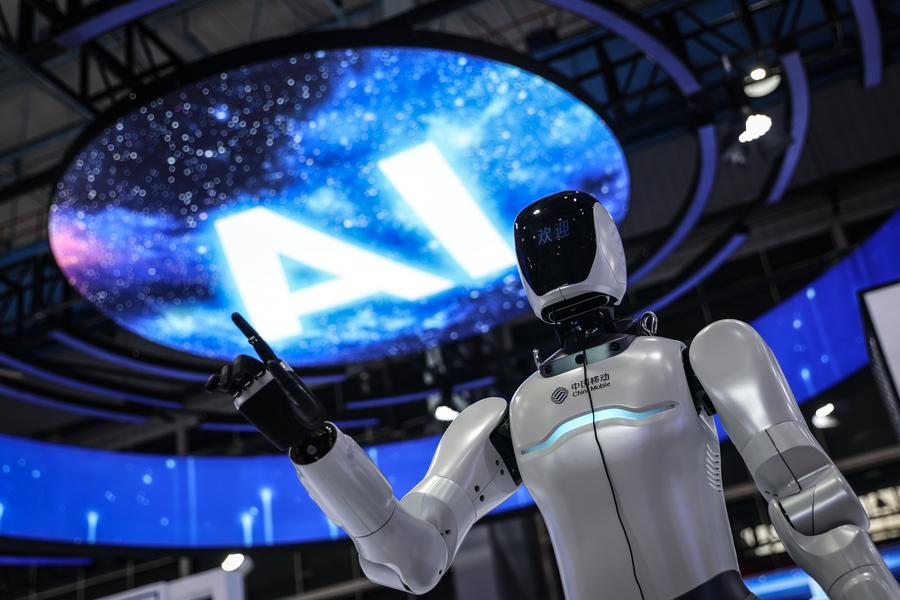
The most revolutionary of these changes has been the profusion of artificial intelligence. It is a force that is not only impacting economies, but even reshaping societies themselves. When AI first entered the public sphere through tools like facial recognition or voice assistants, its impact seemed limited to convenience.
But over the years it has evolved into a general-purpose technology. Just like steam engines, electricity and the internet changed the way the world lived and worked, AI has transformed entire systems of production, governance, and human interaction. AI is embedded in practically all sectors and has become the defining force of the global economy in the 21st century.
Much of AI's growth is driven from the rise of generative AI, which goes beyond analyzing data to create new content, including new research, art, music or video. This creative dimension distinguishes generative AI from its traditional avatar, which was limited to pattern recognition and predictive analytics within fixed parameters. It is being used extensively in healthcare, marketing, e-commerce, education and finance.
The future of most economies will depend on how effectively they can harness both generative and traditional AI to enhance productivity and create new jobs, rather than simply replace workers with machines. That requires large-scale investment in digital literacy, and reskilling and up-skilling of the workforce. Unless this happens, the spread of AI in processes and functions can widen gaps between the high-and low-skilled workers, worsen social inequality and give rise to friction between income groups. The challenge is to ensure that technology enhances, rather than erodes, social balance.
China is a global leader in AI development. Its vast experience in building AI ecosystems, scaling applications, and governing digital transitions positions it uniquely to help other developing economies adopt AI responsibly. Many developing economies in the Global South look toward China for guidance on how to leverage AI for improving productivity while maintaining social harmony.
Many ASEAN economies are struggling due to the disruption of supply chains and shrinking of global trade in the past few years. Businesses closed down or scaled down their operations, which led to large-scale layoffs. Many of the workers laid off have not found new jobs because their skills do not match the new requirements of the industry.
This is where China and ASEAN can forge deeper cooperation in AI-driven reskilling and education programs. China's experience in these areas could be leveraged to help ASEAN economies develop their own domestic capacities for workforce transformation. By partnering with ASEAN governments and educational institutions, the Chinese government agencies and private companies can help develop AI learning modules tailored to local needs. Such initiatives would not only boost regional productivity but also strengthen economic interdependence between China and the ASEAN.
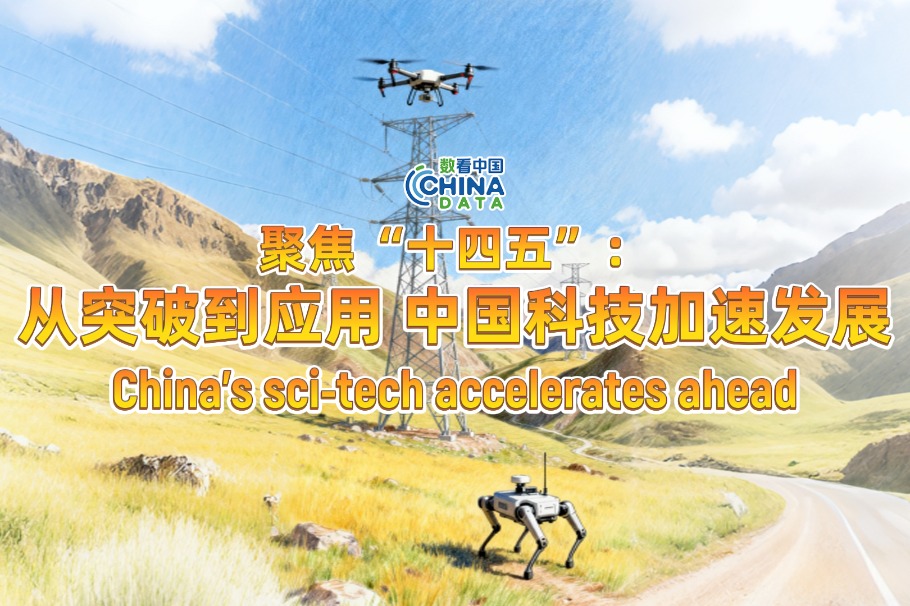
More such opportunities will unfold once China's 15th Five-Year Plan takes shape. AI is expected to feature prominently as the plan aims to bring in new rules and institutional frameworks for AI. The lessons learned from China in this regard would be invaluable for ASEAN.
The author is a senior research fellow and research lead (trade and economics) at the Institute of South Asian Studies, National University of Singapore. The views don't necessarily reflect those of China Daily.
If you have a specific expertise, or would like to share your thought about our stories, then send us your writings at opinion@chinadaily.com.cn, and comment@chinadaily.com.cn.