Belt and Road key to fair global modernization








The third Belt and Road Forum for International Cooperation, held in Beijing on Oct 17 and 18, was nothing less than historic and transformative.
The numbers of participants speak for themselves: 22 heads of state, over 140 countries and regions and 30 international institutions with more than 4,000 representatives. The event commemorated the 10th anniversary of the Belt and Road Initiative and put to rest any doubts about the value of the China-proposed initiative.
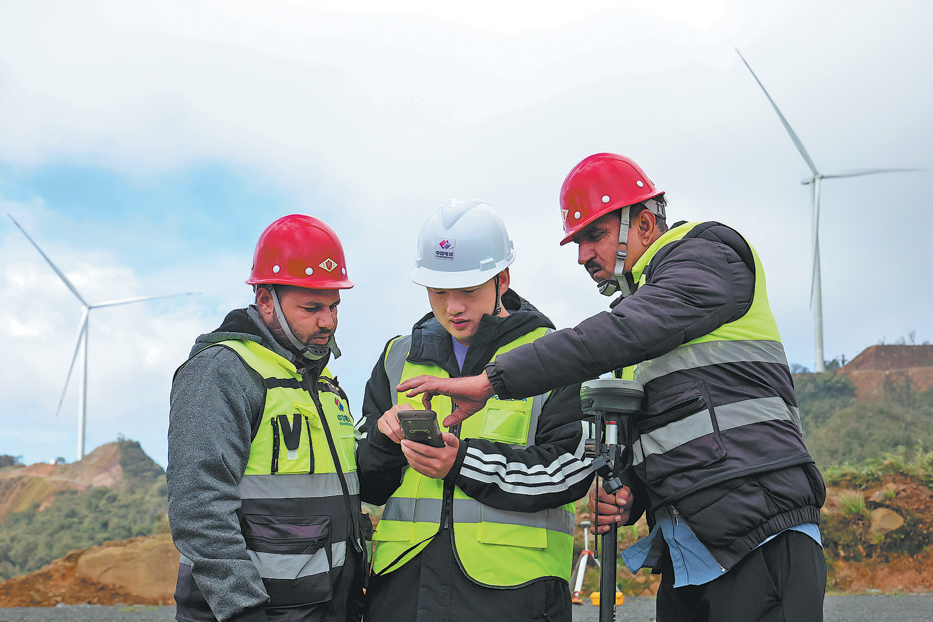
Since President Xi Jinping proposed the BRI in the autumn of 2013, it has become an engine of global infrastructure, energy and livelihood projects, including high-speed railways, highways, power plants, ports, airports, bridges and natural gas pipelines, in more than 70 countries. Notable projects include the high-speed railways from China to Laos, and from Jakarta to Bandung in Indonesia, Lekki Port in Nigeria, the Karuma Hydroelectric Power Station in Uganda, the China-Russia East Route natural gas pipeline, and the first China-Russia highway bridge.
The achievements of the BRI over the last 10 years are stunning. As of June, cumulative trade between China and its BRI partners had reached $19.1 trillion, with the total value of transported goods on the China-Europe Railway Express hitting more than $300 billion.
President Xi has said all along that the goal of his agenda is not only to achieve the great rejuvenation of the Chinese nation, but also to build a global community with a prosperous, shared future for all humankind. The successful implementation of the BRI is a core mechanism for achieving this agenda and the way for fair global modernization.
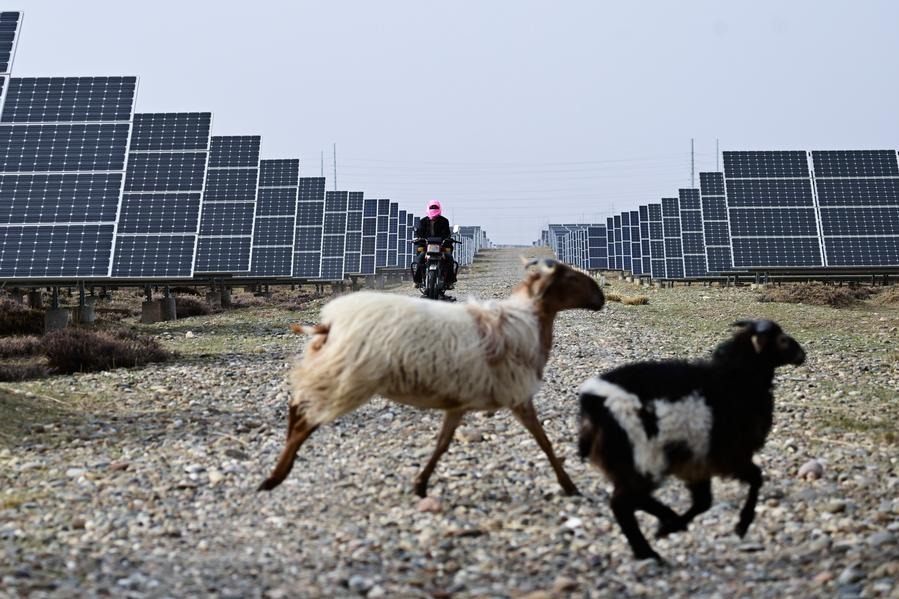
During the forum, Xi announced an eight-point strategic approach for the BRI that encompasses augmenting multidimensional infrastructure connectivity network via railways, shipping routes and trade corridors; supporting an open world economy by lifting investment restrictions and forging trade accords; undertaking pragmatic cooperation through flagship and grassroots livelihood ventures and vocational education with financial backing; promoting green development and environmental collaboration; advancing scientific and technological innovation through exchanges and discourse; fostering people-to-people exchanges through cultural and academic programs; upholding integrity-based cooperation via integrity-building principles, frameworks and training; and consolidating institutional architectures for cooperation across myriad multilateral platforms while sustaining high-level forums and a secretariat.
There are two initiatives in particular that are worth mentioning. The first is the relaxing of restrictions on foreign participation in China's manufacturing sector. As a result of this change, we can expect an increase in high-quality foreign investment in Chinese manufacturing in the coming year. The second is the calling for a Global Initiative for Artificial Intelligence Governance to address the challenges and opportunities presented by the rapid development of AI. Additional programs launched this year in China include the Global Development Initiative, the Global Security Initiative and the Global Civilization Initiative.
Taken together, these initiatives reflect China's concerted efforts to provide global leadership on the most pressing issues affecting the planet. They are not only a projection of China's growing soft power. They also reflect fair and equitable policies designed to uplift all nations and build a prosperous and stable future.
This multifaceted strategy aims to promote common prosperity through a modern, inclusive and collaborative mechanism. Additionally, it demonstrates that while physical infrastructure will remain a key part of the BRI, its scope will expand to include a broader spectrum of activities, such as promoting a green economy, digital infrastructure and innovation. Perhaps most important, it aims to promote and foster cross-cultural exchanges that will help to develop and maintain a more peaceful world.
From the beginning, there have been doubters who said that the BRI was simply a way for China to export some of its excess construction materials and capacity. Others have tried unsuccessfully to portray the BRI as China's "debt trap diplomacy". However, such claims have been widely refuted.
For many people, it is understandable that China has for decades been talking up the notion of Chinese-style modernization, which embraces inclusive growth, peaceful coexistence, diversity and harmony between nature and humans. Chinese modernization is nothing less than the outward manifestation of China's inward search for a new kind of future.
This future blends China's long, rich history and deep cultural and civilizational roots with modern China's openness and willingness to embrace new technologies, entrepreneurship, international cooperation and rule of law to foster a stable business and social environment. This future will not only benefit the Chinese people, but will also benefit all nations for many centuries to come, especially global business communities.
Any global CEO worth his or her salt must look honestly and unflinchingly into the future. He or she must step outside of old habits that were shaped during an era that is about to fade away and accept a new multipolar world. All CEOs will need to devise new strategies, create new alliances and write new playbooks if they and their companies are to survive, or prosper amid, the seismic changes now underway.
The author is founder and chairman of Gao Feng Advisory Co, a strategy consulting and financial advisory firm with roots in China.