The dawn of creativity







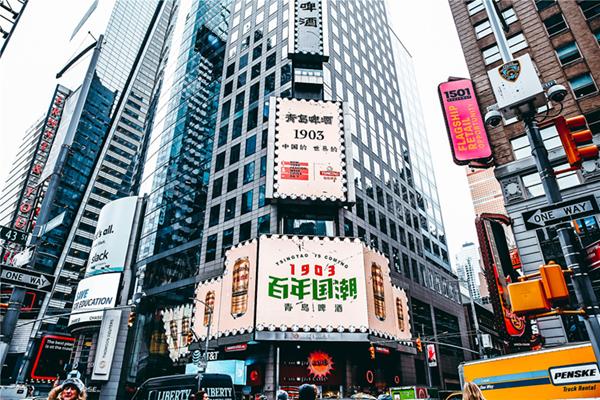
The world of advertising has come a long way since the days of Chinese sellers playing bamboo flutes to sell candies or companies creating pictorial calendars, a popular advertising form in the 19th and 20th centuries, to promote their products.
Last year, enterprises in China spent about $95 billion on advertising, the second-biggest amount after the US. The share of digital advertising in the country was nearly 60 percent, or $54 billion, with online video platforms recording the fastest growth. Tech giants Alibaba, Baidu and Tencent were the major spenders.
Globally, around $630 billion was paid for advertisements in 2018, with digital platforms taking up about 44 percent of the total share. Samsung alone put over $11 billion into advertising and sales promotion. A 30-second spot during the recent Super Bowl set advertisers back by more than $5 million.
Advertising as we know it today began in China in 1979 when Shanghai TV broadcast a one-minute commercial in English for Swiss luxury watchmaking company Rado. Soon after, Coca-Cola began airing ads on CCTV. As China opened its market, more foreign companies started launching campaigns to attract customers.
Since China has many dialects that do not sound alike and there are differences between Mandarin and Cantonese, coming up with a slogan or a brand name that works across the country is not an easy task. Some companies discovered this the hard way. KFC's slogan "Finger-lickin' good" became "Eat your fingers off" in Chinese before it was replaced. Some brand names, however, work seamlessly. Coca-Cola is known as Kekoukele in Chinese, which translates as "tasty fun", or Heineken, called Xili in Chinese, means "happiness power".
Apart from missteps, some ads have left viewers screaming and creative agencies scratching their heads. On top of the list are commercials in which the name of the product is repeated several times. Although these ads have been slammed by everyone, companies behind the commercials claim that, irritating or not, viewers remember the brand and that's what ultimately counts.
But the days of such ads are numbered. Millennials are now becoming the main drivers of consumption growth and it's unlikely they will be persuaded by ads in which brand names are repeated again and again in a 15-second space.
This is more so when it's not just traditional media that's chasing them. In the early days of advertising, companies used to print calendars with the name of the product in smaller print and photos of women in the center. These days it's again women who are in the center, but now as influencers. These online influencers, known as wanghong in Chinese, are selling everything from cars to lipstick.
The total revenue generated by these influencers is expected to cross $18 billion by year-end. And the top influencers are cashing in. Zhang Dayi, one of the biggest names in the industry, reportedly earns more than most movie stars. Fan Yimin, better known as Becky Li, sold 100 cars of a major brand in just five minutes in 2017. Even well-established fashion houses are using these online celebrities to reach their audiences. With growth shifting to lower-tier cities, the age of influencers and brand ambassadors such as film actresses Zhou Dongyu, Tiffany Tang and Guli Nazha is here to stay.
Currently, brand awareness of Chinese companies is low outside China, but as these enterprises start exploring overseas markets, advertising agencies will step forward to boost their profile. And that in turn means Chinese creative agencies will produce ads that will compete with the world's best. Until now, Chinese ad agencies have struggled to win honors at global awards, however, gradually they will start making their mark.
Whether ad agencies will continue to flock to digital media or whether online celebrities will become more influential is still up in the air. But what is certain is that ad makers in China are entering their best period. To paraphrase Apple's great tagline, it's time to think different.
The author is a journalist with more than 18 years experience in media.