The long road to college autonomy
Want to major in a subject that will get you a well-paid job or in one you are passionate about but which still has good job prospects? Many Chinese colleges have been scrambling to respond to the needs of parents and students by offering wide-ranging and creative options that past generations could not have even imagined.
The hottest college majors are still accounting, finance, business administration, foreign languages, medicine and law, for they promise better returns on education investment. But outlandish ones abound too. What about becoming a bachelor of performing arts in in-flight services or Peking Opera or athletics? Or a degree in golf business management? You could have knocked me over with a feather.
Ironically, these majors have come under closer scrutiny of education regulators because they could produce unemployable graduates as the subjects are either too popular or cater to a niche market too small to justify specialized training at college.
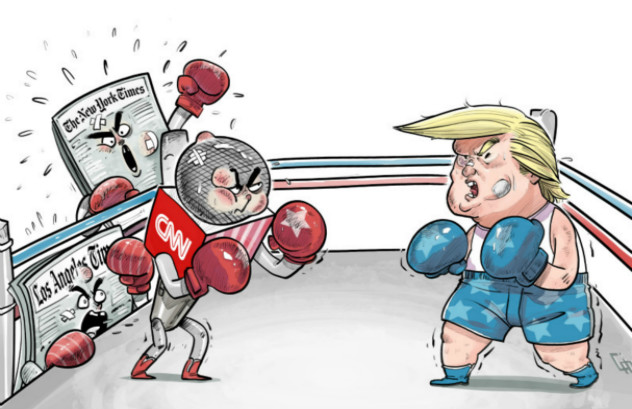
The Ministry of Education recently rejected requests of more than 60 public and private universities of varying sizes to offer 258 such majors, including the ones mentioned above, for the next academic year. With the annual college application season around the corner, the high-profile move serves the purpose of killing two birds with one stone: It attempts to rein in a runaway proliferation of college degree programs, and warns students against choosing a wrong major even if it is in their dream school.
Chinese education authorities have used the evaluation of applications for new majors as a powerful means to exert executive control over universities. Each year, a specially appointed accreditation committee meets to determine if a program has met a set of standards in market demand for graduates, faculty strength, teaching and research facilities before allowing colleges to offer them to students.
For decades reform-minded educators have been calling for greater autonomy in domestic universities' management. The 2002 decision of the ministry to let six top universities decide their majors before being approved by the accreditation committee was hailed as a major move in the reform of a system modeled on the rigid, highly centralized Soviet higher education structure.
But 10 years on, universities and authorities are still engaged in a tug-of-war over what majors can be offered. The expectations that greater autonomy for top universities in deciding their majors will lead to independence in other aspects of college management, such as terminating centrally planned student recruitment and top-down bureaucracy, have largely fallen through.
While private colleges vie for students by offering more popular courses despite the risk of oversupply in the employment market, public universities are economically and politically motivated to become ever larger, offering as many majors as possible, sometimes at the expense of teaching and research quality.
But the government is more concerned about the increasing difficulties college graduates face in finding a job as a result of the fast increase in the number of college enrollments. It also wants a balanced development of various subjects in colleges to serve long-term national development.
In curbing the frenzied, wayward growth of degree programs, each year the ministry bans hundreds of majors from being offered by some universities while approving ones that have met its standards.
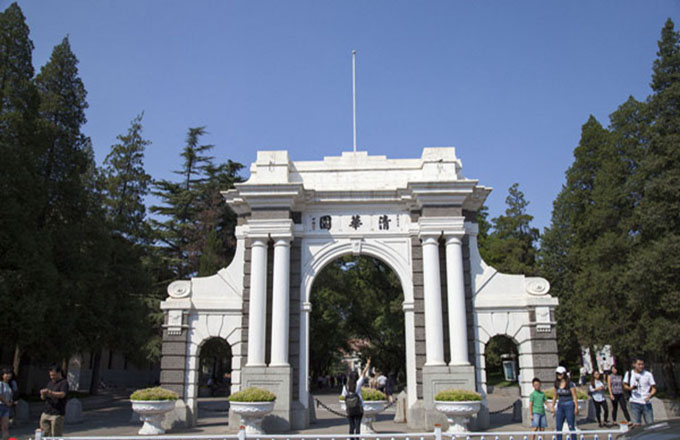
This year, Peking University is among the six to be granted the right to offer a major without prior approval, which has caused a stir because the university was proscribed for its new program in aviation science and technology.
By comparison, the ministry has approved new majors like education and rehabilitation studies, Amharic and Kyrgyz, and traditional medicine of the Dai ethnic group for smaller schools.
Control of higher education will eventually be decentralized with the government delegating more power to colleges. But for that to happen sooner, rather than later, colleges could exercise more self-discipline to break the curse of "liberalization leads to chaos" that keeps regulators on the edge.
The writer is editor-at-large of China Daily. E-mail: dr.baiping@gmail.com
(China Daily 04/13/2013 page5)