
中國(guó)網(wǎng)站品牌欄目(頻道)
日本副首相兼財(cái)政大臣麻生太郎近日表示,老年人應(yīng)該獲準(zhǔn)“趕緊死”,好幫助政府減輕醫(yī)療財(cái)政負(fù)擔(dān)。麻生太郎說(shuō):“在你想死的時(shí)候卻被迫活著,這是上天不允許的。如果知道我所有的治療費(fèi)用都由政府承擔(dān),我每天醒來(lái)時(shí)的心情會(huì)一天比一天沉重。” 他還把那些無(wú)法自己進(jìn)食的老年人稱為“管子人”,并稱自己已經(jīng)寫下遺囑,告訴家人不必讓他通過(guò)這種方式延長(zhǎng)生命,“我要快點(diǎn)死”。后來(lái),他又澄清,稱以上全部為個(gè)人感受。目前,日本60歲以上的人口占全國(guó)人口的四分之一,未來(lái)50年,這個(gè)比例有望上升到40%。為了應(yīng)付不斷增加的福利支出,尤其是老齡人口福利支出,日本政府決定在未來(lái)三年內(nèi),將消費(fèi)稅提高至10%。日本政府還計(jì)劃在4月開(kāi)始的新年度預(yù)算中減少福利支出。

 |
|
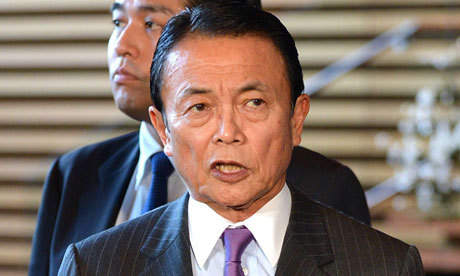
Taro Aso, the finance minister, said on Monday that the elderly should be allowed to "hurry up and die" to relieve pressure on the state to pay for their medical care. |
Japan's new government is barely a month old, and already one of its most senior members has insulted tens of millions of voters by suggesting that the elderly are an unnecessary drain on the country's finances.
Taro Aso, the finance minister, said on Monday that the elderly should be allowed to "hurry up and die" to relieve pressure on the state to pay for their medical care.
"Heaven forbid if you are forced to live on when you want to die. I would wake up feeling increasingly bad knowing that [treatment] was all being paid for by the government," he said during a meeting of the national council on social security reforms. "The problem won't be solved unless you let them hurry up and die."
Aso's comments are likely to cause offence in Japan, where almost a quarter of the 128 million population is aged over 60. The proportion is forecast to rise to 40% over the next 50 years.
The remarks are also an unwelcome distraction for the new prime minister, Shinzo Abe, whose first period as Japan's leader ended with his resignation after just a year, in 2007, partly due to a string of gaffes by members of his cabinet.
Rising welfare costs, particularly for the elderly, were behind a decision last year to double consumption [sales] tax to 10% over the next three years, a move Aso's Liberal Democratic Party supported.
The 72-year-old, who doubles as deputy prime minister, said he would refuse end-of-life care. "I don't need that kind of care," he said in comments quoted by local media, adding that he had written a note instructing his family to deny him life-prolonging medical treatment.
To compound the insult, he referred to elderly patients who are no longer able to feed themselves as "tube people". The health and welfare ministry, he added, was "well aware that it costs several tens of millions of yen" a month to treat a single patient in the final stages of life.
Cost aside, caring for the elderly is a major challenge for Japan's stretched social services. According to a report this week, the number of households receiving welfare, which include family members aged 65 or over, stood at more than 678,000, or about 40% of the total. The country is also tackling a rise in the number of people who die alone, most of whom are elderly. In 2010, 4.6 million elderly people lived alone, and the number who died at home soared 61% between 2003 and 2010, from 1,364 to 2,194, according to the bureau of social welfare and public health in Tokyo.
The government is planning to reduce welfare expenditure in its next budget, due to go into force this April, with details of the cuts expected within days.
Aso, who has a propensity for verbal blunders, later attempted to clarify his comments. He acknowledged his language had been "inappropriate" in a public forum and insisted he was talking only about his personal preference.
"I said what I personally believe, not what the end-of-life medical care system should be," he told reporters. "It is important that you be able spend the final days of your life peacefully."
It is not the first time Aso, one of Japan's wealthiest politicians, has questioned the state's duty towards its large elderly population. In 2008, while serving as prime minister, he described "doddering" pensioners as tax burdens who should take better care of their health.
"I see people aged 67 or 68 at class reunions who dodder around and are constantly going to the doctor," he said at a meeting of economists. "Why should I have to pay for people who just eat and drink and make no effort? I walk every day and do other things, but I'm paying more in taxes."
He had already angered the country's doctors by telling them they lacked common sense, made a joke about Alzheimer's patients, and pronounced "penniless young men" unfit for marriage.
In 2001, he said he wanted Japan to become the kind of successful country in which "the richest Jews would want to live".
While figures released on Monday showed a record 2.14 million Japanese were receiving welfare in October 2012, Aso has led a life of privilege few of his compatriots could hope to match.
He is the grandson of Shigeru Yoshida, an influential postwar prime minister, and is married to the daughter of another former premier.
While campaigning for the premiership in 2008, Aso refused to acknowledge the use of hundreds of allied prisoners of war by his family's coal mining business during the second world war. He served as president of the firm's successor, Aso Cement, from 1973-79.
相關(guān)閱讀
(Agencies)

(中國(guó)日?qǐng)?bào)網(wǎng)英語(yǔ)點(diǎn)津 Helen )
 |
 |
 |
 |
 |
 |


 主站蜘蛛池模板:
精品人妻av中文字幕乱|
欧美在线一区二区三区精品|
日本黄网站三级三级三级|
宅男噜噜噜66在线观看|
国产AV老师黑色丝袜美腿|
日韩美女亚洲性一区二区|
亚洲人成精品久久久久|
国产在线乱子伦一区二区|
亚洲成人av日韩在线|
欧美视频精品免费播放|
深夜av免费在线观看|
西西大胆午夜人体视频|
网友自拍视频一区二区三区|
久久精品免视看国产成人|
漂亮人妻被强中文字幕久久|
91久久久久无码精品露脸|
一个人www在线视频免费|
美女爽到高潮嗷嗷嗷叫免费网站|
免费午夜福利一区二区|
116美女极品a级毛片|
九九在线精品国产|
久热久热久热久热久热久热|
在线看国产精品自拍内射|
久久综合精品成人一本|
九九re线精品视频在线观看视频|
99久久免费精品色老|
国产精品中文第一字幕|
高h喷水荡肉爽文1v1|
亚洲色欲色欲WWW在线丝|
国产一区二区牛影视|
在线播放深夜精品三级|
国产成人精品日本亚洲77上位|
国产精品SM捆绑调教视频|
成人影院免费观看在线播放视频|
国产成人精品区一区二区|
最新亚洲春色AV无码专区|
国产成人午夜精品影院|
久久综合亚洲色一区二区三区
|
亚洲中文字幕在线二页|
国产成人不卡一区二区|
精品九九热在线免费视频|
主站蜘蛛池模板:
精品人妻av中文字幕乱|
欧美在线一区二区三区精品|
日本黄网站三级三级三级|
宅男噜噜噜66在线观看|
国产AV老师黑色丝袜美腿|
日韩美女亚洲性一区二区|
亚洲人成精品久久久久|
国产在线乱子伦一区二区|
亚洲成人av日韩在线|
欧美视频精品免费播放|
深夜av免费在线观看|
西西大胆午夜人体视频|
网友自拍视频一区二区三区|
久久精品免视看国产成人|
漂亮人妻被强中文字幕久久|
91久久久久无码精品露脸|
一个人www在线视频免费|
美女爽到高潮嗷嗷嗷叫免费网站|
免费午夜福利一区二区|
116美女极品a级毛片|
九九在线精品国产|
久热久热久热久热久热久热|
在线看国产精品自拍内射|
久久综合精品成人一本|
九九re线精品视频在线观看视频|
99久久免费精品色老|
国产精品中文第一字幕|
高h喷水荡肉爽文1v1|
亚洲色欲色欲WWW在线丝|
国产一区二区牛影视|
在线播放深夜精品三级|
国产成人精品日本亚洲77上位|
国产精品SM捆绑调教视频|
成人影院免费观看在线播放视频|
国产成人精品区一区二区|
最新亚洲春色AV无码专区|
国产成人午夜精品影院|
久久综合亚洲色一区二区三区
|
亚洲中文字幕在线二页|
国产成人不卡一区二区|
精品九九热在线免费视频|