
中國網站品牌欄目(頻道)
Japan's tourism industry has been knocked into a deep recession. Foreign tourists, who normally contribute about $16 billion annually to the economy, canceled planned visits after the March 11 earthquake and subsequent nuclear disaster devastated the northeastern part of the country. The yen's surge this year against many other major currencies, including the US dollar, has done further damage.
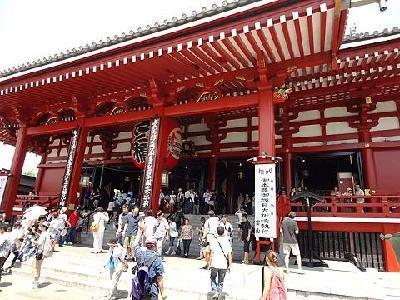
The buzz of cicadas outdoes the voices of subdued vendors on a hot August day at Sensoji Temple, one of Tokyo's top tourist attractions. The lane leading to the temple contains dozens of stalls selling souvenirs, snacks and cold drinks.
July and August are normally the peak months for foreign visitors to Sensoji and the rest of Japan. But this summer their numbers are noticeably fewer.
A soft drink seller makes a transaction with a Japanese tourist: 100 yen, that is $1.30, for a half-liter bottle of oolong tea.
The vendor laments such sales are not as frequent as they should be.
He says the season is not as bad as he might have feared. He explains that he has seen worse times in his 20 years on the job, but there is a noticeable drop this summer in the number of foreigners.
Standing along the curb in the Asakusa district in the 34 degree heat is rickshaw driver Ryuta Nishio. He charges tourists 3,000 yen for a ten-minute ride. At the current exchange rate that has soared to about $40.
Nishio says the number of riders has dropped about 30 percent this August compared to the same month last year. It is not only the number of foreigners that has declined, he says, but domestic tourists as well.
But some foreigners are overcoming concerns about lingering radiation, seismic aftershocks and a worsening exchange rate. The yen has gained about 8.5 percent on the US dollar in the past six months.
Blaine Deitch, a retiree from southern California, says the trip has turned out to be worth every devalued dollar he has spent.
"That does take a dip in your pocket. That's going to stop a lot of people from coming. It almost stopped me," notes Deitch. "But my wife wanted to come back, so here we are."
Taiwan college student Teng Changcheng is on a five-day visit to Japan with family. She says the situation seems to have improved in the country since the calamity five months ago.
Teng says her family did not worry about making the trip because the Japanese government now seems to have the nuclear crisis under control.
US Marine Clayton Simpson is visiting from the US state of North Carolina.
"Despite the disaster, I've always wanted to come, so we decided this year was the year," Simpson says. "All the sites have been great but the people they've been extremely helpful. We don't speak a lot of Japanese ourselves. They've been very nice and helpful and it's been a great experience."
Japan's major tourism organizations are running publicity campaigns to reassure visitors. One promotion says Tokyo's radiation levels are lower than those in New York, Hong Kong and other major destinations.
Some hotels are slashing room rates amid a continuing dip in bookings by foreign tourists, although business travelers are trickling back in.
Many in the travel industry believe, however, it could be another year before overseas leisure travel bookings return to previous levels. They warn the industry could suffer further setbacks if another damaging earthquake hits, or the strong yen continues to reach new record highs.
rickshaw: also called jinrikisha, a small two-wheeled passenger vehicle drawn by one or two men, used in parts of Asia 人力車
Summer heat stifles Tokyo as Japan rebuilds economy
Chinese tourists start returning to Japan following earthquake
(來源:VOA 編輯:崔旭燕)
 |
 |
 |
 |
 |
 |


 主站蜘蛛池模板:
亚洲欧美日韩高清中文|
色综合色国产热无码一|
亚洲av午夜精品一区二区三区|
亚洲五月天一区二区三区|
午夜综合网|
亚洲男人电影天堂无码|
久久亚洲中文字幕伊人久久大|
亚洲精品成人片在线观看精品字幕
|
深夜福利国产精品中文字幕|
免费无码AV一区二区波多野结衣|
亚洲愉拍一区二区三区|
亚洲一区国色天香|
电影在线观看+伦理片|
亚洲人成77777在线观|
久久精品久久电影免费理论片|
亚洲av无码一区东京热|
亚洲中文字幕久久精品码|
女性裸体啪啪拍无遮挡的网站|
精品国产美女av久久久久|
激情人妻中出中文字幕一区|
成人免费无码视频在线网站|
国产老熟女狂叫对白|
精品一区二区三区在线播放视频|
国产精品中文字幕一区|
伊人久久大香线蕉av网|
中文字幕久久人妻熟人妻|
性虎精品无码AV导航|
中美日韩在线一区黄色大片|
人人做人人澡人人人爽|
亚洲熟女乱色综一区二区|
女人高潮被爽到呻吟在线观看
|
亚洲国产欧美在线人成AAAA|
亚洲ⅴa曰本va欧美va视频|
国产内射XXXXX在线|
午夜免费无码福利视频麻豆|
又色又爽又黄又无遮挡的网站|
99亚洲男女激情在线观看|
中文字幕66页|
亚洲av无码之国产精品网址蜜芽|
国产剧情福利AV一区二区|
国产激情一区二区三区午夜|
主站蜘蛛池模板:
亚洲欧美日韩高清中文|
色综合色国产热无码一|
亚洲av午夜精品一区二区三区|
亚洲五月天一区二区三区|
午夜综合网|
亚洲男人电影天堂无码|
久久亚洲中文字幕伊人久久大|
亚洲精品成人片在线观看精品字幕
|
深夜福利国产精品中文字幕|
免费无码AV一区二区波多野结衣|
亚洲愉拍一区二区三区|
亚洲一区国色天香|
电影在线观看+伦理片|
亚洲人成77777在线观|
久久精品久久电影免费理论片|
亚洲av无码一区东京热|
亚洲中文字幕久久精品码|
女性裸体啪啪拍无遮挡的网站|
精品国产美女av久久久久|
激情人妻中出中文字幕一区|
成人免费无码视频在线网站|
国产老熟女狂叫对白|
精品一区二区三区在线播放视频|
国产精品中文字幕一区|
伊人久久大香线蕉av网|
中文字幕久久人妻熟人妻|
性虎精品无码AV导航|
中美日韩在线一区黄色大片|
人人做人人澡人人人爽|
亚洲熟女乱色综一区二区|
女人高潮被爽到呻吟在线观看
|
亚洲国产欧美在线人成AAAA|
亚洲ⅴa曰本va欧美va视频|
国产内射XXXXX在线|
午夜免费无码福利视频麻豆|
又色又爽又黄又无遮挡的网站|
99亚洲男女激情在线观看|
中文字幕66页|
亚洲av无码之国产精品网址蜜芽|
国产剧情福利AV一区二区|
国产激情一区二区三区午夜|