
中國網(wǎng)站品牌欄目(頻道)

STEVE EMBER: I'm Steve Ember.
SHIRLEY GRIFFITH: And I'm Shirley Griffith with EXPLORATIONS in VOA Special English. Ballet is a formalized kind of dance performance with a rich and interesting history. The word "ballet" comes from the French language, and is based on the Italian word "balletto." "Balletto" means a little dance. Ballet's early roots began in Italy in the late 1400s. But it was in France that ballet developed into the form we know today.
(MUSIC)
STEVE EMBER: The French ruler Louis the 14th had a big influence on the direction of ballet in its early history. He ruled France for 72 years, starting in 1643. He started dancing as a boy and worked hard at it daily. He performed in long and complex ballets.
Louis the 14th turned ballet into a form of dance that reflected his power and influence. Ballet's many rules and extremely detailed movements expressed a person's power and social relations. The king made sure that ballet became a requirement for the people of his court. He also started the Royal Academy of Dance, where important people could learn this art. The aim of this dance was self-control, order and perfection.
SHIRLEY GRIFFITH: Louis the 14th's ballet teacher Pierre Beauchamps created a way to write down the dance steps for ballet. He helped to write out a system of rules for how the body should move during dance. These include the five positions of the body, which are still the foundation for all ballet moves today.
Many ballet steps are French words because of ballet's important history in France. Examples of the names for dance movements include pirouettes, pliés and grand jetés.
Ballet slowly changed from a dance performed at the king's court to one performed by professional dancers. By the time of Louis the 14th's death in 1715, ballet had spread to other parts of Europe and was evolving in other ways.
(MUSIC)
STEVE EMBER: Jennifer Homans is the dance critic for the New Republic magazine. She is also a historian who teaches at New York University in New York City. In 2010 she published a book on ballet called "Apollo's Angels: A History of Ballet." She knows this subject well because she started her career as a ballet dancer.
Ms. Homans' book is extremely detailed. She spent about ten years researching and writing the book. It shows how ballet changed over time. These changes are similar to the changing ideas about society, men and women's roles, clothing and the ideals and limits of the human body.
She begins her book with an explanation of how the earliest forms of ballet began in Italy. This ballet was a kind of social dance that was performed during special occasions.
SHIRLEY GRIFFITH: Catherine de Medici of Italy married the French King Henri the 2nd in 1533. She brought her interest in dance performances and traditions to France.
Ms. Homans describes how ballet developed and evolved during the 17th and 18th centuries. Ballet then was very different from ballet today. Ballets were not stand-alone performances like they are now. Ballet dances were often included in other kinds of theatrical performances such as opera. And, people who performed in these dances did not wear ballet shoes, tutus or tight costumes as dancers do today.
People dressed in the fine clothing of their times. Women wore long dresses that covered their legs to the ankle. So, it was not easy to see what steps they were performing. This clothing also limited the movements women could make.
STEVE EMBER: Today we think of female dancers called ballerinas as the stars of the ballet world. But this was not always the case. It was not until the late 1600s that women began to perform professionally as dancers. And it was not until the 19th century that female dancers called ballerinas became the stars of the stage.
SHIRLEY GRIFFITH: One of the greatest ballerinas of the 19th century was Marie Taglioni. She was an extremely hardworking and strong dancer who spent hours each day perfecting her skills. She developed a special method of walking on her toes so that she seemed to be floating on stage.
The ballet "La Sylphide" made her internationally famous when it was first performed in Paris in 1832. She played a magical winged creature who falls in love with a human. Taglioni wore a white dress with airy fabric and pink roses. Her clothing marked the beginning of the traditional ballet costumes used in modern ballet.
"La Sylphide" influenced another major ballet, "Giselle." This ballet is about a young girl named Giselle who loses her mind and dies when she finds out her lover is to marry another woman. Giselle returns as a ghost and protects her lover from evil spirits that have risen from the grave.
STEVE EMBER: Jennifer Homans says that "La Sylphide" and "Giselle" were the first modern ballets. They are still performed today, although with changes. Ms. Homans said by this period, ballet was no longer about men, power and important people. Modern ballet was about women, dreams and the imagination.
(MUSIC)
SHIRLEY GRIFFITH: By the middle of the 19th century, Denmark and Russia became very important places for ballet. Danish dance creator August Bournonville developed a new method of Danish ballet influenced by French traditions. Ms. Homans writes that in Russia, ballet was at first part of an effort to make the country more western. She says ballet there did not start as an art. It was a system of how one should behave. Dance training there developed into a military-like exactness, which continues to this day.
St. Petersburg became a center for dance supported by the Imperial Russian rulers. Russian ballet experts were extremely conservative and guarded its traditions fiercely.

STEVE EMBER: The French-born dance creator Marius Petipa lived in Russia for over 50 years. He helped redefine ballet in Russia by making it bigger and more expansive. One of his famous ballets, "La Bayadere," was first performed in 1877.
Petipa worked with Russian music composer Peter Ilyich Tchaikovsky to create the famous ballet "The Sleeping Beauty." Ms. Homans describes "The Sleeping Beauty" as the first truly Russian ballet. She says Tchaikovsky's music pushes the mind and spirit of the dancer to move with fullness and care.
SHIRLEY GRIFFITH: Dance creators Marius Petipa and Lev Ivanov used Tchaikovsky's music to create two other famous ballets, "The Nutcracker" and "Swan Lake."
Russia's importance to ballet continued in the 20th century thanks to the forward thinking Sergei Diaghilev and his Ballets Russes dancers. He introduced Russian ballet to Europe by bringing top dancers, including Anna Pavlova and Vaslav Nijinsky, to Paris. Diaghilev's Russian ballets include "The Firebird" and "Petrouchka." These bold works, in addition to Nijinksy's "Afternoon of a Faun," redefined ballet and modern art.
However, ballet changed during Soviet rule in Russia. The repressive government supported and controlled ballet and its dancers. Ballet became a sign of state culture, both for Russians and the rest of the world.
(MUSIC)
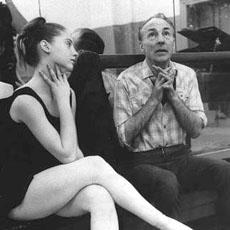
STEVE EMBER:In the United States, the 1950s and 1960s were a time of great economic success. This helped fuel support for the performing arts. Ballet was part of this success.
The New York City Ballet and American Ballet Theater were two of the early American ballet companies. They travelled widely in Europe and other areas of the world.
This was part of the American government's efforts to show the country's dance culture. Russian-born dance creator George Balanchine worked hard to modernize ballet further and increase its popularity as an American art. So did American choreographer Jerome Robbins.
SHIRLEY GRIFFITH: The subject of Jennifer Homans' closing chapter is somewhat unexpected. She says ballet has been slowly dying around the world since George Balanchine's death in 1983.
She says today's dance companies have the choice of recreating either ballet's 19th century past, or its modern past. But there is little great new work or energy remaining. She says that she hopes she is wrong. But she says the force to awaken this sleeping art must come from outside the ballet tradition.
Many critics have dismissed Ms. Homans' prediction. But her statement raises real questions about how an art based on the past can successfully survive in the future.
STEVE EMBER: This program was written and produced by Dana Demange. I'm Steve Ember.
SHIRLEY GRIFFITH: And I'm Shirley Griffith. Our programs are online with transcripts and MP3 files at voaspecialenglish.com. Join us again next week for EXPLORATIONS in VOA Special English.
pirouettes: (芭蕾舞)腳尖旋轉(zhuǎn)
pliés: (芭蕾舞)屈膝,下蹲
grand jetés: (芭蕾舞)大跳
Faun: (in ancient Roman stories) a god of the woods, with a man's face and body and a goat's legs and horns 農(nóng)牧神(見于古羅馬故事,呈人面人身羊腿羊角)
choreographer: 舞蹈指導(dǎo)
Ballet dancers pose for media in Berlin
Spanish National Ballet brings genuine flamenco to Expo
Snowflakes and sugarplum firies? Yep, it's the season
Black Swan, The Tourist, Tron: the Legacy top holiday movie list
(來源:VOA 編輯:崔旭燕)
 |
 |
 |
 |
 |
 |


 主站蜘蛛池模板:
久播影院无码中文字幕|
男人的天堂av社区在线|
尹人香蕉久久99天天拍|
任我爽精品视频在线播放|
一区二区三区四区五区色|
极品无码国模国产在线观看|
国产一级黄色片在线观看|
国产首页一区二区不卡|
日本一区二区三区四区黄色|
国产精品视频一品二区三|
少妇高潮太爽了在线观看|
精品一区二区免费不卡|
国产高清亚洲精品视bt天堂频|
精品一区二区三区四区色|
日本一区不卡高清更新二区|
久久天天躁狠狠躁夜夜婷|
水蜜桃精品综合视频在线|
国产91小视频在线观看|
亚洲中文字幕人妻系列|
国产成人亚洲日韩欧美|
又色又爽又黄的视频网站|
婷婷国产亚洲性色av网站|
亚洲欧美不卡高清在线|
国产精品色婷婷亚洲综合看片|
精品亚洲欧美高清不卡高清|
亚洲另类无码专区国内精品|
亚洲国产精品免费一区|
国产午夜福利视频合集|
国产毛片A啊久久久久|
激情综合五月丁香亚洲|
亚洲AV永久纯肉无码精品动漫|
国产精品无码素人福利不卡|
日韩有码国产精品一区|
国产亚洲一二三区精品|
成人午夜福利精品一区二区|
又黄又刺激又黄又舒服|
亚洲护士一区二区三区|
呻吟国产av久久一区二区|
久久久久亚洲精品美女|
久久中文字幕一区二区|
免费人成在线观看网站|
主站蜘蛛池模板:
久播影院无码中文字幕|
男人的天堂av社区在线|
尹人香蕉久久99天天拍|
任我爽精品视频在线播放|
一区二区三区四区五区色|
极品无码国模国产在线观看|
国产一级黄色片在线观看|
国产首页一区二区不卡|
日本一区二区三区四区黄色|
国产精品视频一品二区三|
少妇高潮太爽了在线观看|
精品一区二区免费不卡|
国产高清亚洲精品视bt天堂频|
精品一区二区三区四区色|
日本一区不卡高清更新二区|
久久天天躁狠狠躁夜夜婷|
水蜜桃精品综合视频在线|
国产91小视频在线观看|
亚洲中文字幕人妻系列|
国产成人亚洲日韩欧美|
又色又爽又黄的视频网站|
婷婷国产亚洲性色av网站|
亚洲欧美不卡高清在线|
国产精品色婷婷亚洲综合看片|
精品亚洲欧美高清不卡高清|
亚洲另类无码专区国内精品|
亚洲国产精品免费一区|
国产午夜福利视频合集|
国产毛片A啊久久久久|
激情综合五月丁香亚洲|
亚洲AV永久纯肉无码精品动漫|
国产精品无码素人福利不卡|
日韩有码国产精品一区|
国产亚洲一二三区精品|
成人午夜福利精品一区二区|
又黄又刺激又黄又舒服|
亚洲护士一区二区三区|
呻吟国产av久久一区二区|
久久久久亚洲精品美女|
久久中文字幕一区二区|
免费人成在线观看网站|