BIZCHINA> Top Biz News

|
BIZCHINA> Top Biz News
|
|
Related
Bank loan cost cut, reserve ratio eased
By Xin Zhiming (China Daily)
Updated: 2008-09-16 10:10
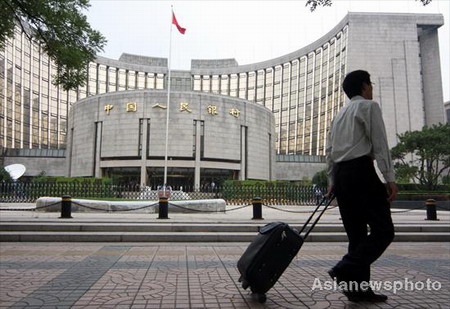
The benchmark lending rate will be lowered by 0.27 percentage point to 7.20 percent from today, but the interest rate of deposits remains unchanged. The 1 percentage point cut from the reserve requirement ratio of 17.5 percent does not apply to the five biggest banks and the Postal Savings Bank, the People's Bank of China (PBOC) said on its website. And banks in areas hit by the devastating May 12 earthquake will have their ratio cut by 2 percentage points. These changes will come into effect from Sept 25. "The adjustment is directly related to the macro-economic data for August," said Zhang Jun, director of Fudan University's China Center for Economic Studies. The figures for the economy in August, released last week, showed a drop in consumer inflation but a rise in factory gate cost (or producers price index, PPI), a weakening industrial output and falling imports. All these indicate "downside economic risks", Zhang said. The rising PPI and falling consumer price index (CPI) rate mean corporate earnings would suffer as costs rise, and that would ultimately hurt economic growth, Liu Dongliang, economist with the China Merchants Bank, said. "The country is facing the danger of an economic downturn." The government adopted tightening measures in the second half of last year to prevent the economy from overheating and keep the CPI from rising out of control. It has raised the interest rate six times and the reserve requirement ratio 15 times since last year, with the latest ratio increase being the fifth this year. The tightening measures have yielded results, but the change seems to have come much sooner than expected, prompting the authorities to ease the policies, Zhang said. The country's GDP for the second quarter grew 10.1 percent year-on-year, compared to 11.9 percent for the whole of 2007. The situation is similar to what it was 10 years ago, when the macro-economic regulation before 1997 coupled with the 1997-98 Asian financial crisis, hit the economy hard and pushed it into deflation, he said. Now the economy faces a slowdown at home and is already feeling the winds of the US financial turmoil. Policymakers later adopted a series of measures, such as bolstering small and medium-sized enterprises (SMEs), to maintain a stable economic growth. The SMEs are the most dynamic components of the economy, accounting for three-fourths of the total jobs in the country and producing 60 percent of the goods and services. And it is they that have suffered the most since last year because of the tightening policies. Banks usually do not like sanctioning loans to SMEs because of fears they may fail to pay back in time, and the tightening policies have worsened the situation for them, analysts said. "The key issue now is how to better allocate the lending resources to ensure SMEs have more access to loans," Zhang said. The PBOC has cut the requirement for smaller banks because most of their loans go to SMEs. But the liquidity problem has not been fundamentally solved, he said, and the authorities have stopped short of applying the cut in reserve requirement ratio to major banks. (For more biz stories, please visit Industries)
|
主站蜘蛛池模板: 亚洲日本VA午夜在线电影| 亚洲AV成人片不卡无码| 久久综合精品国产一区二区三区无码| 无码av永久免费专区麻豆| 爱啪啪av导航| 国产成人午夜在线视频极速观看| 欧美亚洲国产日韩一区二区| 亚洲老熟女@tubeumtv| 亚洲香蕉免费有线视频| 无码av中文字幕一区二区三区| 亚洲老妇女亚洲老熟女久| 成人午夜在线观看日韩| 亚洲午夜香蕉久久精品| 人妻18毛片A级毛片免费看| 亚洲欧美成人久久综合中文网 | 香蕉亚洲欧洲在线一区| 国产强奷在线播放免费| 亚洲成人www| 内射干少妇亚洲69XXX| 亚洲精品久久7777777国产| 真实国产乱子伦视频| 美女内射无套日韩免费播放| 99精品国产一区二区三| 又爽又黄又无遮掩的免费视频| 重口SM一区二区三区视频| 日韩国产精品中文字幕| 天天爱天天做天天爽夜夜揉| 最近中文字幕日韩有码| 国产三级精品三级色噜噜| 亚洲一二三区精品与老人| 我国产码在线观看av哈哈哈网站 | 秋霞电影网久久久精品| 国产精品中文字幕久久| 青青草原亚洲| 日产国产一区二区不卡| 性欧美视频videos6一9| 久久国产精品伊人青青草| 亚洲男同gay在线观看| 成人一区二区三区在线午夜| 无码人妻精品一区二区三区不卡| 成人啪啪高潮不断观看|