Homebuilding needs people-centric planning







Building more homes that are safe, comfortable, eco-friendly and smart during the 15th Five-Year Plan (2026-30) period is an important measure to practice a people-centric philosophy of development and fulfill people's aspirations for better lives. It is also a key pathway to promoting high-quality development of the construction sector and fostering new growth drivers for the national economy. This is not a linear upgrade in a single field, but a complex systems-based project involving shifts in concepts, restructuring of systems and improvements in efficiency. It requires adherence to systems thinking and coordinated efforts by government, the market and society, with full-chain, all-factor and whole-life-cycle collaboration.
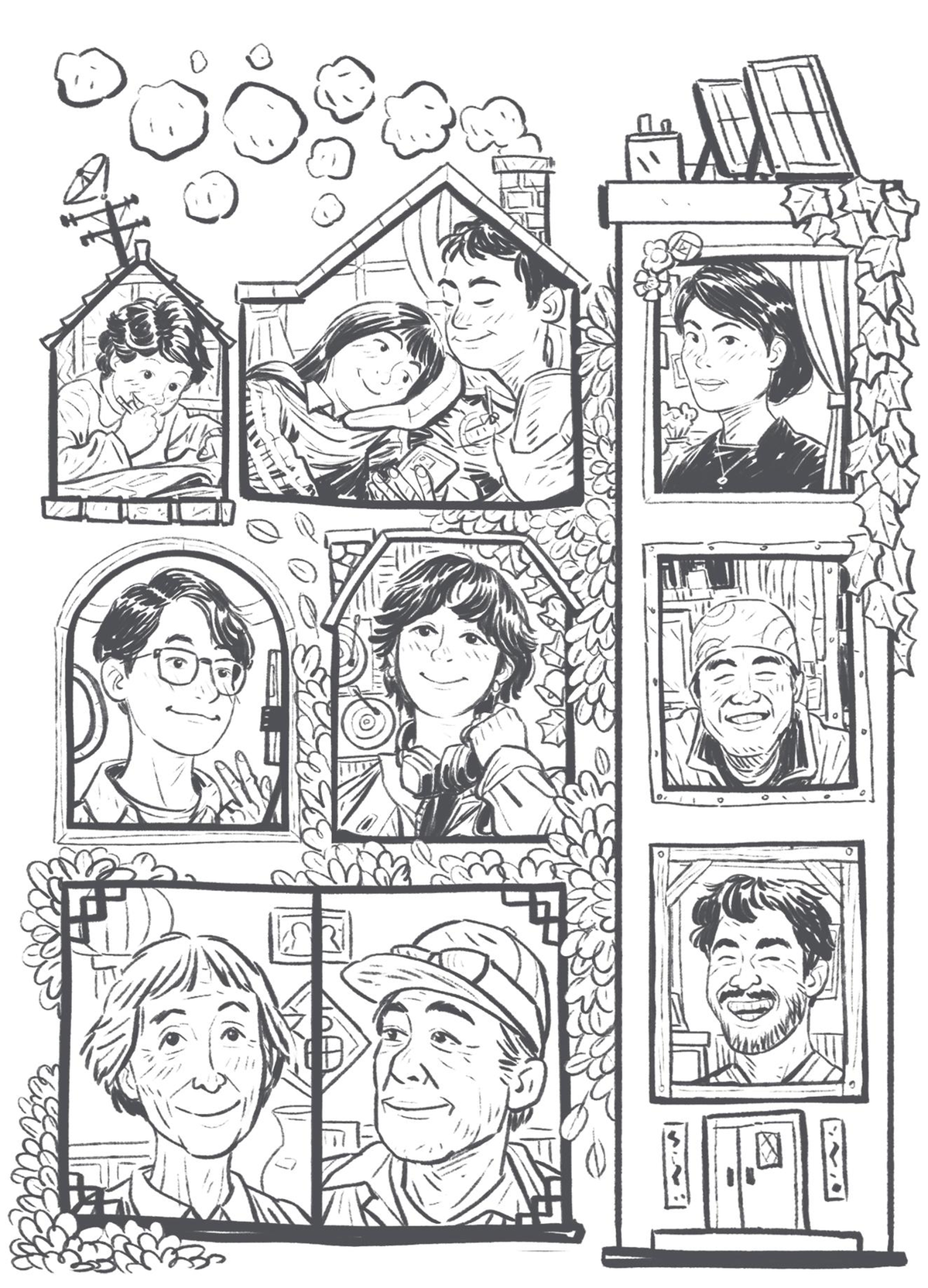
Building more homes that are safe, comfortable, eco-friendly and smart goes beyond the traditional concept of residential space. They are an organic unity of safety and durability, health and comfort, intelligence and low carbon, a pleasant environment and humanistic harmony. It is reflected in three aspects. First, optimal life-cycle value: not only controllable construction costs, but also low energy consumption, low maintenance costs and high asset value over long-term use. Second, comprehensive satisfaction of multidimensional needs: solid and safe physical performance, healthy and livable environmental performance, flexible and adaptable functional performance, and convenient and efficient service performance. Third, symbiosis with cities, nature and communities: they are the basic cells of green, low-carbon cities, the background color of a beautiful China and carriers of harmonious neighborhood relations.
The role of government is that of strategic guide, rule-maker, and bottom-line guardian for building more homes that are safe, comfortable, eco-friendly and smart. It should incorporate the construction of these living spaces into major national and local plans for the 15th Five-Year Plan period, territorial space planning and urban renewal initiatives, clarifying development goals, key tasks and spatial layouts. Efforts should be accelerated to build a full-chain system of standards and norms covering standards, design, materials, construction, services and evaluation. Incentive and constraint policies in land, fiscal and financial areas should be improved — for example, granting preferential treatment in floor area ratio and presale conditions for high-quality housing, and promoting green finance and insurance mechanisms. Whole-process quality and safety supervision should be strengthened, with closed-loop management systems established from land transfer to post-occupancy operation and maintenance. A sound integrity system should be built, illegal and noncompliant behaviors strictly punished, and a fair and competitive market environment safeguarded.
Enterprises are the innovators in practice, deliverers of quality, and value creators in building more homes that are safe, comfortable, eco-friendly and smart. Developers and construction enterprises should transform their development models from "high turnover" to "high quality and superior services", strengthen their primary responsibilities, and invest in long-term quality and brand value. They should give full play to a leading role by advocating people-centric, green and low-carbon attributes, and culturally informed refined design, and by providing whole-process design consulting and collaborative services. Vigorous efforts should be made to advance new-type building industrialization, digitalization and green development, adopt lean construction, and supply high-performance, reliable green building materials and intelligent products. Professional and intelligent service capabilities should be enhanced, extending from the basic "four guarantees" services — security, cleaning, landscaping and maintenance — to higher-end segments of the value chain such as asset operations, life services, and low-carbon operations and maintenance.
Social participation serves as process supervisor, co-governance partner and final evaluator. Associations and academic societies should strengthen technological research and development, dissemination of standards, talent cultivation and industry self-regulation, and build platforms for exchange. Mechanisms should be explored for homebuyers and future owners to participate in design consultations and construction quality supervision, such as "owners' open days". Community co-construction and co-governance should be encouraged to form joint forces for maintaining better living environments. Green building performance insurance and latent defect insurance should be developed, and independent third-party institutions for quality evaluation, certification and testing should be fostered.
First, establish "good standards" by building a leading, coordinated and internationalized standards system. The focus should shift from prescribing specific practices to defining performance objectives — such as indoor health indicators, energy consumption limits and durability periods — leaving room for innovation. Full-chain coordination should be achieved, ensuring seamless alignment and indicator coordination among standards for planning, design, production, construction, acceptance and operation, and breaking down professional barriers. Keeping pace with technological advances and changing demands, new materials, technologies and processes should be rapidly translated into standards. International advanced standards should be actively referenced, promoting mutual recognition between Chinese and international standards and supporting the industry's global expansion.
Second, deliver "good design" by practicing refined design that is people-centric, green and low-carbon, intelligent and resilient. In-depth research should be conducted on diversified needs such as senior-friendly living, multigenerational cohabitation and working from home, providing flexible, adaptable and space-efficient unit layouts and community planning. Integrated green and low-carbon design should be promoted, prioritizing passive design — natural lighting, ventilation and insulation — and optimizing active technologies such as high-efficiency energy systems, while advancing building-integrated photovoltaics and the application of low-carbon materials. Intelligent sensing, smart home systems and community management infrastructure should be deployed proactively. Building safety and adaptability in response to extreme weather and public emergencies should be strengthened. Attention should be paid to harmony with the regional climate, culture and urban character, creating spaces with identity and a sense of belonging.
Third, make good use of "good materials" by actively promoting green, high-performance and long-life building materials and components. Upholding a green and low-carbon orientation, energy-saving, environmentally friendly and recyclable materials should be vigorously developed and applied, with strict control over harmful substance content and reductions in life-cycle carbon emissions of building materials. Research, development and application of high-strength structural materials, high-performance doors and windows, and durable waterproofing and sealing materials should be advanced to extend the service life of main structures and key components. Standardized and modular prefabricated components should be promoted to improve project quality, construction efficiency and waste reduction. Quality trace-ability and information disclosure systems for key building materials should be established.
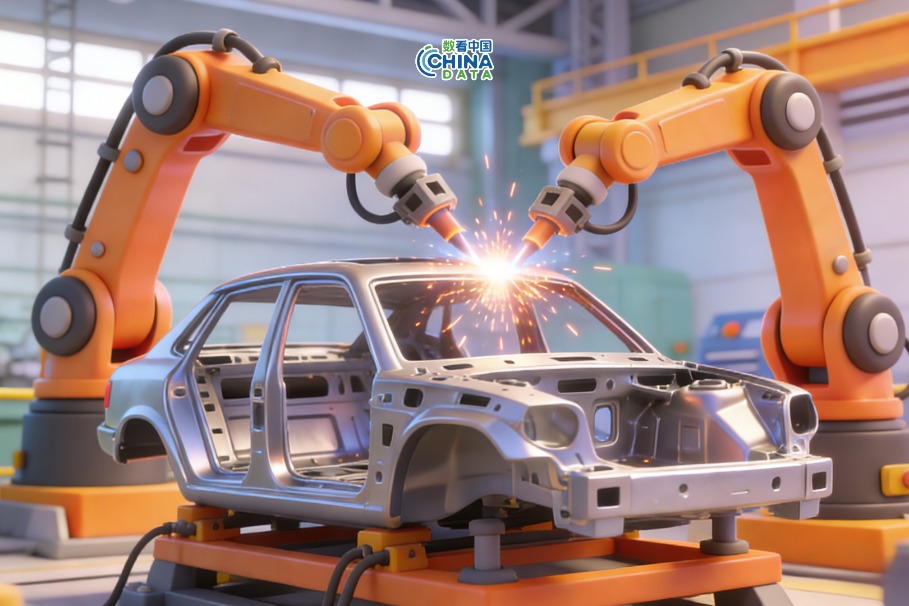
Fourth, ensure "good construction" by promoting new construction methods characterized by industrialization, digitalization and green development. Prefabricated buildings and intelligent construction should be vigorously developed, prefabrication rates increased, engineering, procurement and construction models promoted, and digital technologies such as construction robots, building information modeling, the internet of things and artificial intelligence applied to achieve precise construction and smart site management. Lean construction and whole-process quality management should be implemented to eliminate waste and enhance efficiency, with strengthened quality control over key procedures and concealed works, and improved standards for unit-by-unit acceptance and delivery. Green construction and resource conservation should be enforced, including pollution prevention throughout the construction process, waste reduction and recycling, and water conservation and reuse.
Fifth, provide "good services" by building a comprehensive, intelligent and people-centric full life-cycle service system. The practice of "delivering homes together with property certificates" should be promoted, quality warranty commitments and response mechanisms improved, and housing inspection and maintenance systems explored. Property management services should be advanced toward professionalism, standardization and transparency, while expanding the supply of high-quality community services such as home-based eldercare, childcare, health, culture and commerce. Smart operation and low-carbon management should be empowered through digital twin and IoT technologies to enable intelligent monitoring, early warning and optimized operation of building energy use and facilities, continuously reducing operating energy consumption and costs. Feedback and continuous improvement mechanisms should be improved by establishing convenient channels for owners' complaints and suggestions, forming a closed loop of design, construction, use, feedback and optimization.
In conclusion, building more houses that are safe, comfortable, eco-friendly and smart also requires strengthening support from science, technology and talent — tackling key technologies and cultivating interdisciplinary professionals — improving financial and fiscal policies, innovating organizational and implementation mechanisms such as pilot demonstrations and reward-and-penalty systems, and enhancing communication and guidance to build broad social consensus. During the 15th Five-Year Plan period, through multiparty collaboration, a focus on the "five goods" and systematic advancement, construction will surely be transformed from a promising blueprint into a tangible reality of countless quality living spaces. This will not only provide hundreds of millions of families with higher-quality residences, but also inject strong and lasting momentum into building a new development paradigm and advancing green transformation alongside high-quality economic and social development.
The writer is former director of the Market and Price Research Institute of the National Development and Reform Commission.
The views do not necessarily reflect those of China Daily.