Recalibrating global governance: Giving the Global South its seat at the table








The collective rise of the Global South is the hallmark of a world undergoing a profound transformation. In 2025, UNESCO had its first Arab Director General and Latin America is leading the race for the next UN Secretary General. Organizations such as BRICS and the Shanghai Cooperation Organization (SCO) now represent a growing share of the global GDP and population.
Yet, the world's governance architecture grows increasingly out of touch with today's reality. The voice of the Global South remains marginalized in institutions shaped by the post-war West. Reform is no longer optional, it is essential.
An antiquated system
At the World Bank, developing countries hold 47 percent of its voting rights despite accounting for approximately 60 percent of global GDP in PPP terms and 80 percent of world's economic growth. At the IMF, the US retains a 16.49 percent voting share — enough to veto any major decision — while the more than 40 sub-Saharan African countries hold less than 5 percent of the voting share combined.
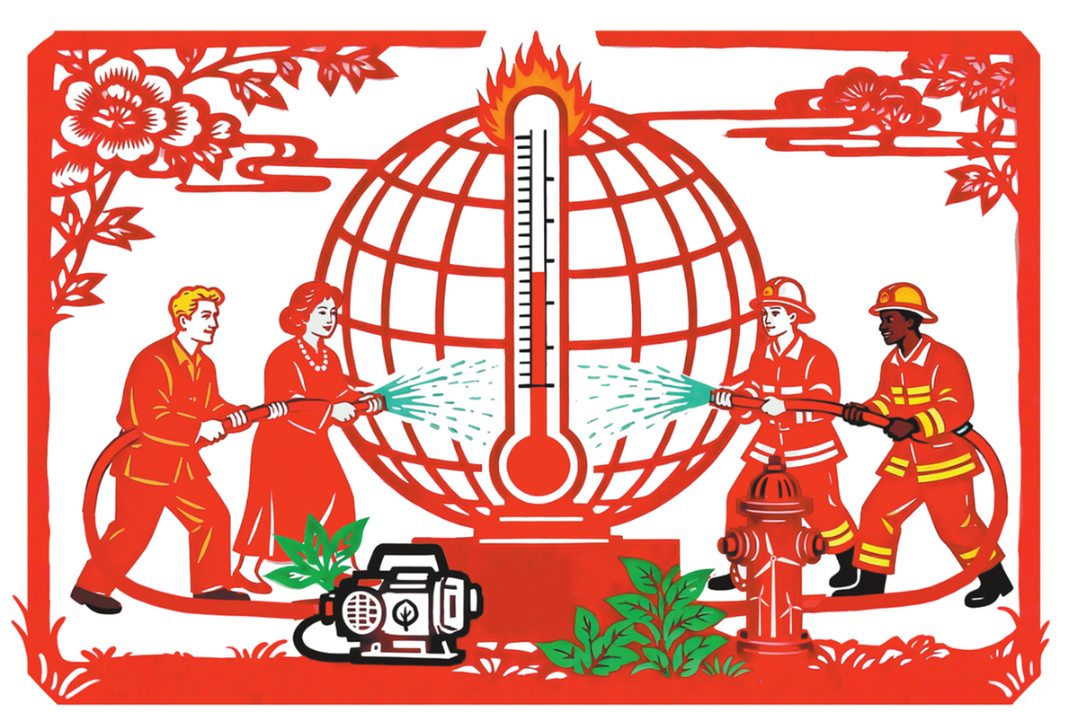
This disparity is not only statistical. Global attention and funding are channeled to major-power geopolitical competition, while long-term, existential challenges such as climate change, poverty, and public health are marginalized. Development financing is diverted to security agendas, sidelining the South's urgent needs for industrialization, infrastructure, and job creation.
Rules are written in the North, but the costs are shouldered disproportionately by the South. The unilateral Carbon Border Adjustment Mechanism (CBAM), for instance, forces developing nations to comply with a complex carbon pricing system, unfairly penalizing their exports and development needs. Another example is the global minimum corporate tax, which undermines the fiscal sovereignty of Global South countries by stripping them of legitimate tools like tax incentives — once used by rich nations themselves.
Hand the microphone to the 80 percent of global growth
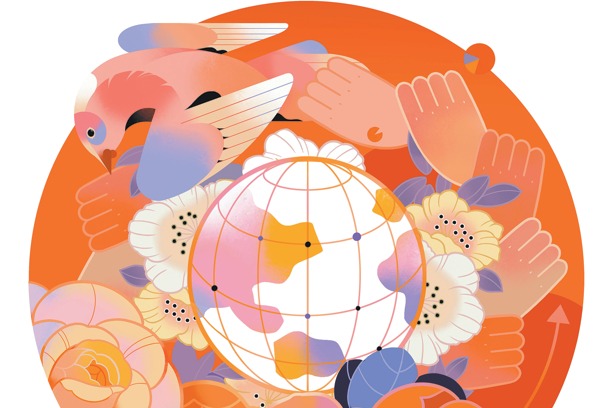
How could greater balance and equity in the world be fostered? Well, it starts with giving all nations a fair say. All sovereign countries, regardless of size or wealth, are equal members of the international community and are entitled to have a say in decisions that affect everyone. The answer is all too clear: developing countries must have a place at the table.
This means firmly rejecting double standards, cherry-picking, unilateralism, and exclusive clubs. It means upholding the international rule of law and the purposes and principles of the UN Charter, as well as empowering the UN to tackle the world's most pressing challenges in development, security, and trust.
What we need is a system that works for everyone, one that bridges the North-South gap and spreads the benefits of global cooperation to all. There must be action-oriented and results-driven solutions to deliver this vision.
China's playbook
These are the very principles that underpin China's Global Governance Initiative (GGI) — a proposal to make global institutions more inclusive, rules-based, and results-oriented.
Unlike the gated clubs certain powers keep expanding, the GGI unlocks doors through the SCO and other platforms initiated and led by emerging markets — offering the Global South a real alternative and opportunities to foster open, pragmatic partnerships focused on shared development.
While the protectionist powers slaps tariffs on the vulnerable, the GGI aims to erase them. China's Belt and Road Initiative is broadening participation in global trade through reduced trade costs and cross-border digital currency payments. China's zero-tariff treatment for 100 percent tariff applies to all under-developed countries. Additionally, African countries having diplomatic relations with China provides a valuable opportunity for the South to tap into China's large consumer market.
Unlike the "my-country-first" belligerent intent on sidelining UN resolutions, the GGI envisions a more balanced, multipolar system of global governance. China — convinced that multilateralism delivers when it represents the many, not the few — calls for UN reform geared toward strategic planning, practical results, and greater representation for developing countries.
The four initiatives
The GGI is not a standalone proposal. The Global Development Initiative (GDI), the Global Security Initiative (GSI), and the Global Civilization Initiative (GCI) represent a set of proposals that China has put forward to address global challenges.
The GDI serves as a master key designed to crack development bottlenecks. The GSI acts as a firewall that aims to bring about common, comprehensive, cooperative, and sustainable security. The GCI functions as a bridge that brings different cultures closer together. Finally, the GGI operates as a calibrator — the institutional and normative framework that ties the other three proposals together.
Eighty years ago, the UN was founded to "save succeeding generations from the scourge of war." Today, that mission endures, but needs renewal. Reforming global governance is to update the UN and the broader multilateral institutions to reflect the world as it is, not as it was.
Proposals like the GGI point toward that recalibration — one where rules are shared, representation is fair, and cooperation is built on equality. These truly represent the common aspiration of humanity, a deep understanding of historical imperatives, and a warm embrace of our era's responsibilities.
The author is a Beijing-based observer of international affairs.
The views don't necessarily reflect those of China Daily.
If you have a specific expertise, or would like to share your thought about our stories, then send us your writings at opinion@chinadaily.com.cn, and comment@chinadaily.com.cn.