Experts call on India, China to bridge communication gap







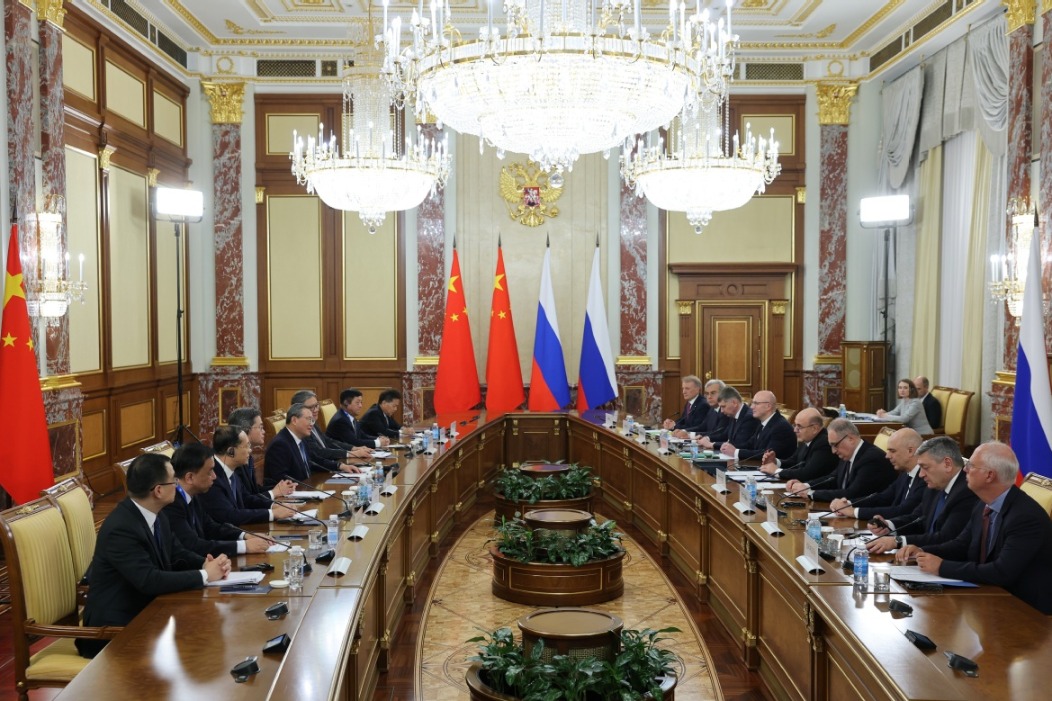
Amid the thaw in China-India relations, experts and media leaders from both countries have called for diversified efforts to bridge the communication gap, emphasizing that rebuilding trust was crucial for the two Asian countries.
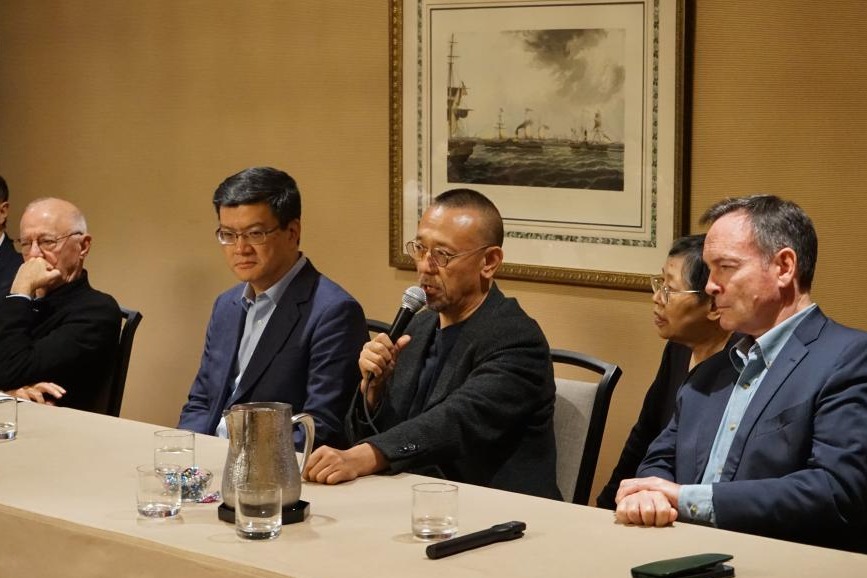
At the 31st annual conference of the Asian Media Information and Communication Centre, held in Mumbai in October, a special plenary session discussed how to promote communication to help improve relations between the two Asian countries.
Padma Rani, a senior professor at the Manipal Institute of Communication, said, "After years of strained relations, it is crucial to rebuild trust to reduce negative perceptions (of each other)."
China and India have been communicating through multilateral organizations such as BRICS, G20 and Shanghai Cooperation Organisation, "where their views on global issues have aligned", Rani said, adding there was a need for consistent dialogue between the two major Asian powers to "coordinate their views on global governance issues".
"To address deep-seated trust deficit, manage public narratives, and facilitate constructive dialogue", Rani has called for "non-official exchanges between experts, think tanks and members of civil society" from both sides. She said educational institutions "can foster cross-cultural understanding through student and visiting scholar exchanges".
Wang Xiangwei, the first Chinese editor-in-chief of the South China Morning Post and now a professor of media production at the Hong Kong Baptist University, agreed the relations between the two countries need a revival.
Recalling how, as a teenager in the 1970s, he loved to watch Bollywood musical films screened in China, he said, "It has truly saddened me to witness how the two nations navigated a very difficult patch."
He explained how the communication methodologies and traditions of the two civilizations differ. "Chinese communication, deeply influenced by Confucian principles, often prioritizes harmony, indirectness, and collective well-being," he noted. "Indian traditions … tend toward more expressive, contextual, individualistic styles, where storytelling, humor, and rhetorical flair play key roles in persuasion and connection.
"These differences aren't barriers but bridges waiting to be built," Wang said, lamenting that seldom accredited journalist is stationed in each other's country at present. This breakdown in communication, he said, has "cascaded into deeply negative portrayals of the other in our media landscape".
Biplab Loho Choudhury, chairman of the Indian Communication Congress and a professor at the Visva-Bharati University in Shantiniketan, which was founded by Indian Nobel laureate Rabindranath Tagore, recalled how the famous Indian poet had spoken about the construction of a "common Asian viewpoint" way back in the 1930s.
Referring to how China and India had developed into economic powerhouses, Loho Choudhury said, "The point is … about how we can do it through Asian way of thinking".
Rather than talking in terms of export figures, "we have to think about building communities from within, because our civilization lies there", he says.
Ji Li, professor of the School of Journalism and Communication at Wuhan University, said a project had been launched recently that encouraged young journalists to report on sustainable development goals at the grassroots level.
"We need to change the current scenario (where) the media creates more confrontation instead of cooperation," she said. "We need to demonstrate to them that the concept of a community with a shared future for humanity is not just a slogan but a deployable code.
"If we are creating confrontation (through our communication), how can we create a shared future while maintaining harmony between human beings and nature?" she said.
She felt the young reporters need to feel confident that "what they are going to write after their graduation can benefit the people living in Asian countries".
K.G. Suresh, vice-president of the Indian Communication Congress, said, "There should be more academic exchanges, because it is in classrooms that perceptions are formed." He noted that social media and mainstream media play a key role in building perceptions.
Wang suggested that journalists visit each other's newsrooms on short stints to "build empathy through shared bylines". He called for partnerships between media organizations to swap content to reduce dependency on stories and reports from Western sources, and to regularly hold conferences for journalists and communication scholars, while suggesting that Hong Kong could be considered a possible venue.
Kalinga Seneviratne is a Sri Lankan born Australian journalist and international communications scholar. He is the author of GeoPolitics and the Media in Asia and the Pacific: Pulling in Different Directions.