China's import expo: A barometer for global trade







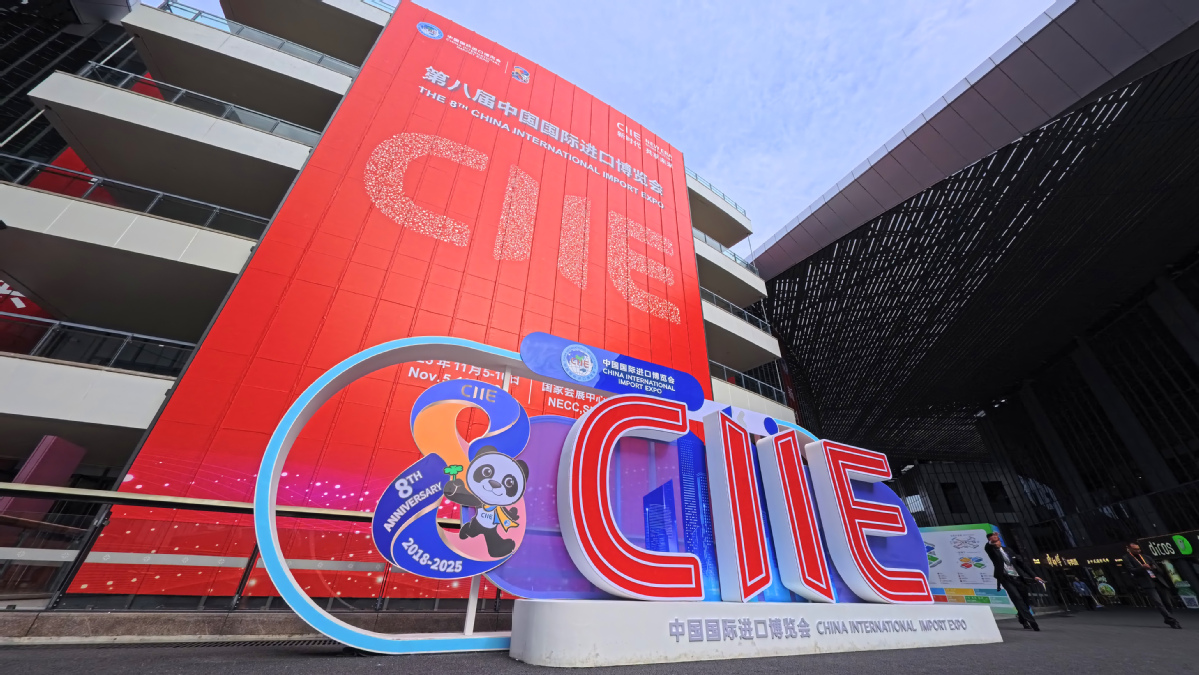
The China International Import Expo (CIIE), held annually in Shanghai, has cemented its position not merely as a trade fair, but as a critical mechanism for observing the trajectory of the global economy and, specifically, the evolving nature of the Chinese market. Now in its eighth iteration, the CIIE stands as a physical manifestation of Beijing's commitment to high-level opening-up, pivoting the national economic narrative from solely being the "world's factory" to becoming the "world's consumer".
The sheer scale of the event — this year featuring 155 countries, regions, and international organizations, alongside 4,108 overseas enterprises occupying an exhibition area exceeding 430,000 square meters — underscores its unparalleled importance on the international trade calendar. For participating nations, especially those navigating complex geopolitical currents, the CIIE represents an essential, non-negotiable gateway to a consumer base whose appetite for high-quality goods and advanced technology remains insatiable.
The expo's significance is further amplified by its ancillary activities, such as the concurrent Hongqiao International Economic Forum, which hosts 33 sub-forums and closed-door meetings, focusing on everything from digital governance to green development. These forums transform the CIIE venue from a simple marketplace into an intellectual hub for global economic discourse. Furthermore, the organization of over 80 supporting activities, including targeted trade negotiations and investment promotion sessions, ensures that the event is a high-yield environment for tangible commercial outcomes.
The most compelling argument for the CIIE's global relevance lies in the hard economic data it generates and reflects. China's enduring status as the world's second-largest import market for 16 consecutive years is a statistic that speaks volumes about the depth and resilience of its domestic consumption engine. This sustained import demand acts as a crucial stabilizing force in an often-volatile global trade environment. Looking ahead, the projection that China's total imports of goods and services are expected to surpass $15 trillion during the 14th Five-Year Plan period (2021-2025) is a staggering figure, highlighting the immense opportunity for any enterprise choosing to forgo engagement with this market.
For international businesses, the CIIE offers a unique fast track into this colossal market. The cumulative intended transaction volume from the first seven expos, which collectively exceeded $500 billion, is a testament to the fair's effectiveness as a platform for striking substantial, long-term trade deals. This half-a-trillion-dollar figure is not just a measure of commercial success; it's a direct indicator of the trust and integration between China's demand-side economy and the world's supply chains.
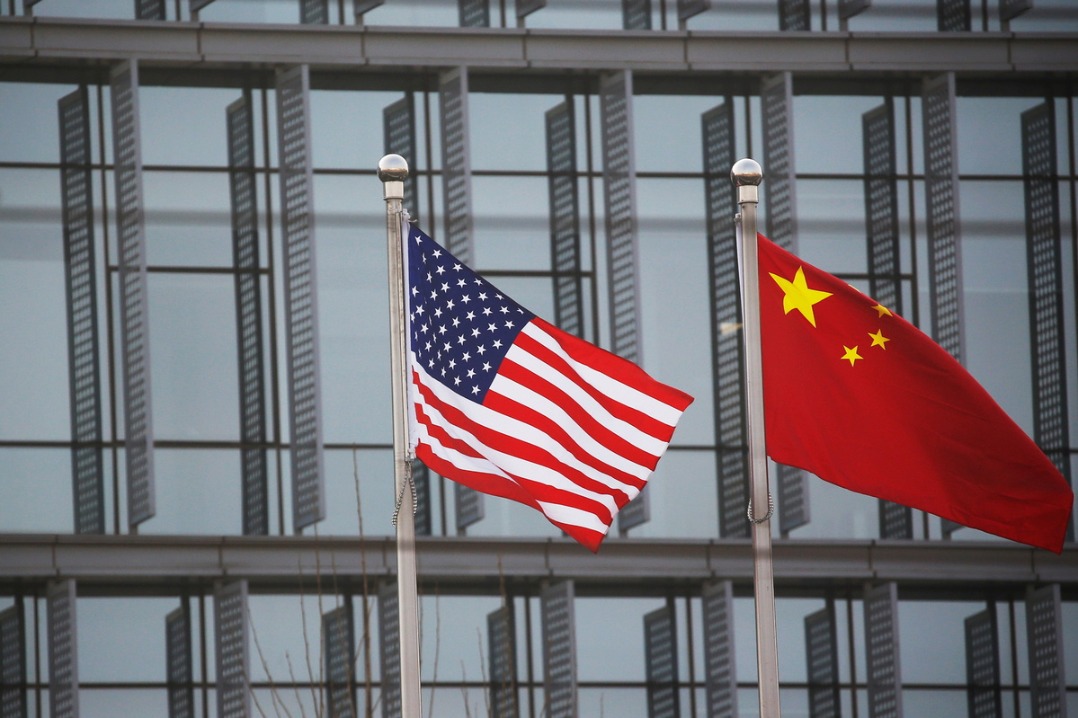
Perhaps the most potent symbol of the CIIE's role in bridging economic divides is the consistent and dominant presence of American enterprises. The fact that US enterprises have occupied the largest swath of space at the exhibition for seven consecutive years provides a fascinating case study in how commercial pragmatism often transcends geopolitical friction. Despite official trade tensions, American companies — leaders in fields like healthcare, advanced manufacturing, and consumer technology — clearly view the Chinese market, and the CIIE specifically, as indispensable for their continued growth. This large-scale, sustained participation by the US business community underscores a fundamental truth: the Chinese consumer market is too large and dynamic to ignore, irrespective of government policies or diplomatic headwinds.
Beyond the impressive statistics on trade volume, the CIIE's deeper significance is its function as a catalyst for technological advancement and industrial upgrading within China. The modern Chinese economy is increasingly defined by its pursuit of high-quality development, a strategy that prioritizes innovation, environmental sustainability, and technological self-reliance over sheer speed of growth.
The expo actively fuels global technology exchange. International exhibitors use the event to debut their latest innovations in areas such as artificial intelligence, biotech, green energy solutions, and high-end manufacturing equipment. This direct exposure to global technological benchmarks achieves two critical goals for China: first, it provides domestic Chinese companies with access to superior foreign components and machinery necessary for their own manufacturing and research processes; and second, it forces them to compete with, and learn from, the world's best, thereby accelerating China's indigenous innovation cycle. The import of sophisticated technology is not just about filling a demand; it is a strategic maneuver to elevate the standards of domestic production and push China further up the global value chain.
The China International Import Expo has matured into an indispensable fixture on the global economic calendar, transcending its original mandate as a simple import fair. Its longevity and consistent growth confirm China's lasting commitment to an open trade policy, regardless of rhetorical fluctuations in global politics. As an event where over $500 billion in potential trade is brokered, the world's largest companies, including the US contingent, solidify their access to the world's second-largest import market.
Qaiser Nawab is chairman of the Belt and Road Initiative for Sustainable Development (BRISD), an international platform focused on fostering cooperation and innovation across Asia, Africa, and Latin America.
The views don't necessarily represent those of China Daily.
If you have a specific expertise, or would like to share your thought about our stories, then send us your writings at opinion@chinadaily.com.cn, and comment@chinadaily.com.cn.