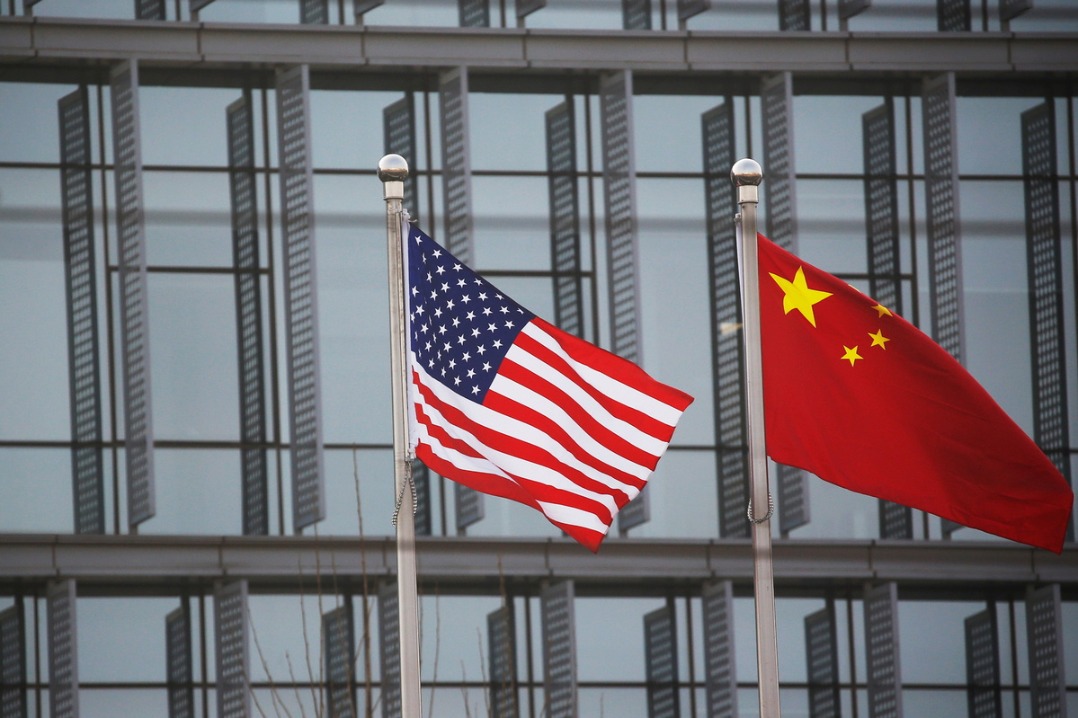
US negotiating more than trade







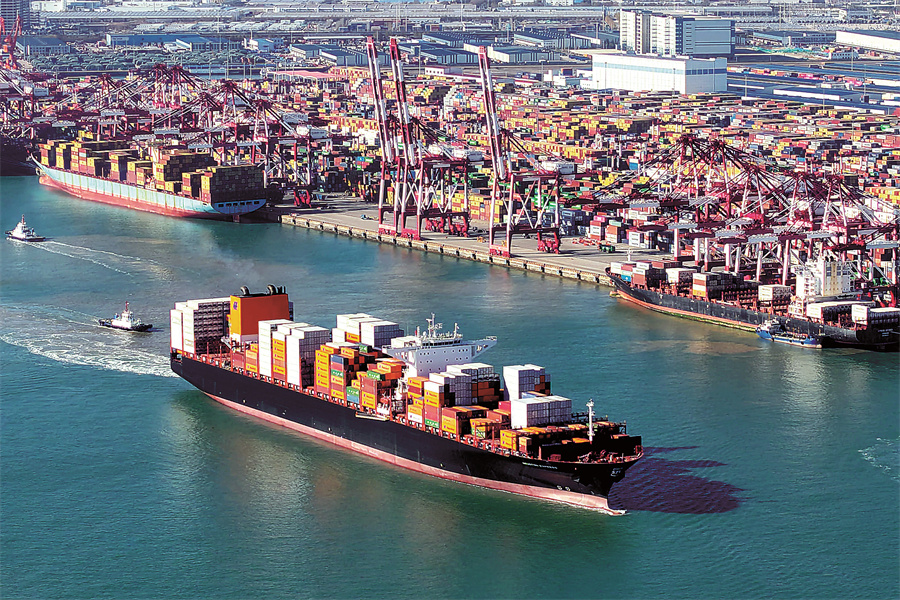
There was a time, not long ago, when the United States promoted free trade and offered national treatment to its foreign investors. Free trade is a self-explanatory concept, while national treatment refers to the requirement that foreign investors be treated the same way as domestic investors.
Such advocacy was not gentle. In the case of small Global South countries, it was imposed as a prerequisite for guaranteeing some access to their exports and for receiving economic aid and credit, not only from the US Treasury but also from the global financial institutions like the International Monetary Fund, the World Bank and regional multilateral banks such as the Inter-American Development Bank, in which the US has a domineering role.
Countries had no choice but to obey, given the widespread use of cross-conditionality, which takes place when all sources of economic assistance impose the same conditions and share information about compliance. Even the OECD, when negotiating the membership of a small country such as Costa Rica, requested that it open up its agricultural markets according to the free trade agreement signed with the US (in which, by the way, the US maintained all of the subsidies and trade protections to its agricultural sector).
US policymakers would not relate the pushing of those strategies to "trade deficits", "overcapacity" or "reciprocity". Rather, any hint of mercantilism or zero-sum games was considered outdated and counterproductive. The core arguments underlying the propaganda favoring free trade and national treatment were presented as "quasi scientific". Yet they were very selective for that matter. For instance, for free trade the classical theory of comparative advantage and other "Economics 101 Concepts" were called for as support, turning a blind eye to all the welfare economics theorizing on market failure.
This theorizing, developed by neoclassical Western mainstream economists, showed that if there were, for instance, economics of scale, public goods, externalities, asymmetric information and unemployment, among other things, free markets would not maximize society's welfare. In such cases, industrial policies might be required to mend the suboptimal outcomes endured when supply and demand were set free to run the economy.
There is abundant empirical evidence of market failure, and every successful economy has implemented policies aimed at offsetting its negative effects. Therefore, the pompous and self-righteous narrative with which free trade and national treatment were imposed on poor countries by the US has been at odds with its own common practice.
Enter China. By allowing wider space for market forces and the private economy in its socialism with Chinese characteristics model, China has achieved unprecedented success in terms of economic growth, trade competitiveness and poverty reduction.
So much so that the US, instead of eliminating any traces of interference in the market to face China's highly competitive and productive economy, as might have been expected from its grandiose propaganda about the wonders of free markets, has chosen to strengthen its industrial policy and build trade barriers.
From neoliberalism, as all but God's truth, the US has redeployed itself into neo-mercantilism.
However, as China tries to negotiate down the neo-mercantilist tariffs, the US has brought to the table issues that go far beyond trade. Foreign investment is one of them. In spite of the national treatment concept fervently promoted by the US (and other Western economies), the US administration tends to view any successful Chinese business as a "national security threat". Huawei and TikTok are two cases in point. "Money laundering" and illicit fentanyl trade are also woven into the negotiations by the US.
All this beyond-trade issues might just be a smoke screen for protectionism in the face of China's competitiveness. Money laundering and illicit fentanyl trade are crimes. If they are included in trade negotiation agendas, the path toward results becomes all the more complex. If such activities are undertaken by private individuals, the issue ought to be addressed not by trade negotiators but by the crime-fighting bodies of the two countries.
There is a need for China to take more measures to demonstrate that the US' frequent claims that China is promoting fentanyl trade are false.
Clearing the field of these issues would allow the world to understand that introducing non-trade issues is just an excuse for the US to impose protectionist tariffs on Chinese goods in the face of China's highly competitive economy. Then even if the US continues to impose high tariffs on Chinese goods, at least the moral and public relations argument would have been won by China. Not a small price in this era of fake news and official lies emanating from an immoral White House.
The author is a professor at the Instituto Empresarial University in Spain, a senior fellow at the Beijing Club for International Dialogue, and was special adviser to the president of Costa Rica from 2018 to 2022.
The views don't necessarily represent those of China Daily.
If you have a specific expertise, or would like to share your thought about our stories, then send us your writings at opinion@chinadaily.com.cn, and comment@chinadaily.com.cn.