Bigger, broader, better
The expansion of the Shanghai Cooperation Organization and its broadening scope are shaping global geopolitics








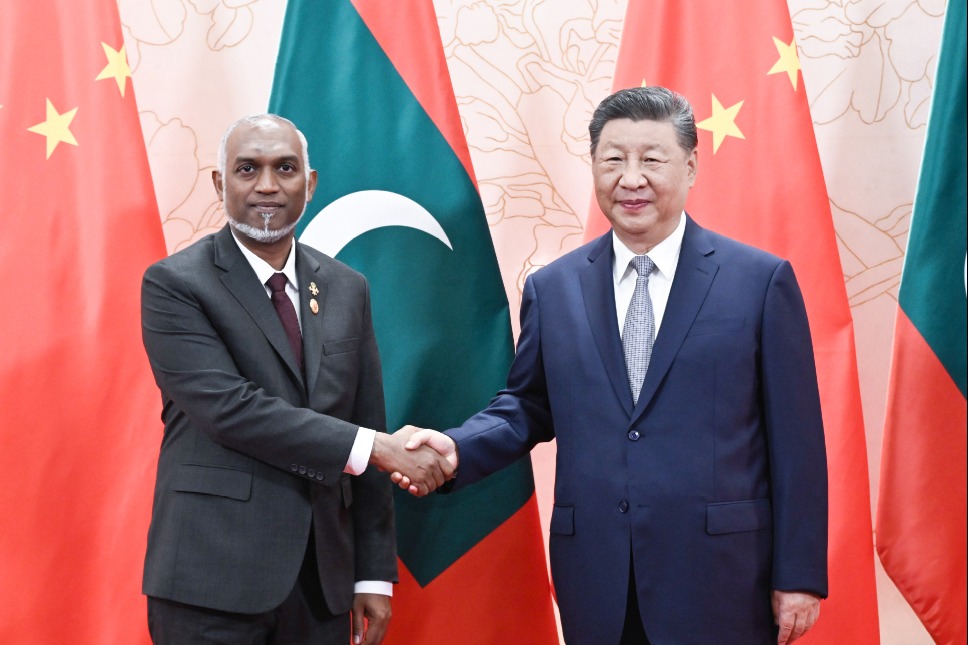
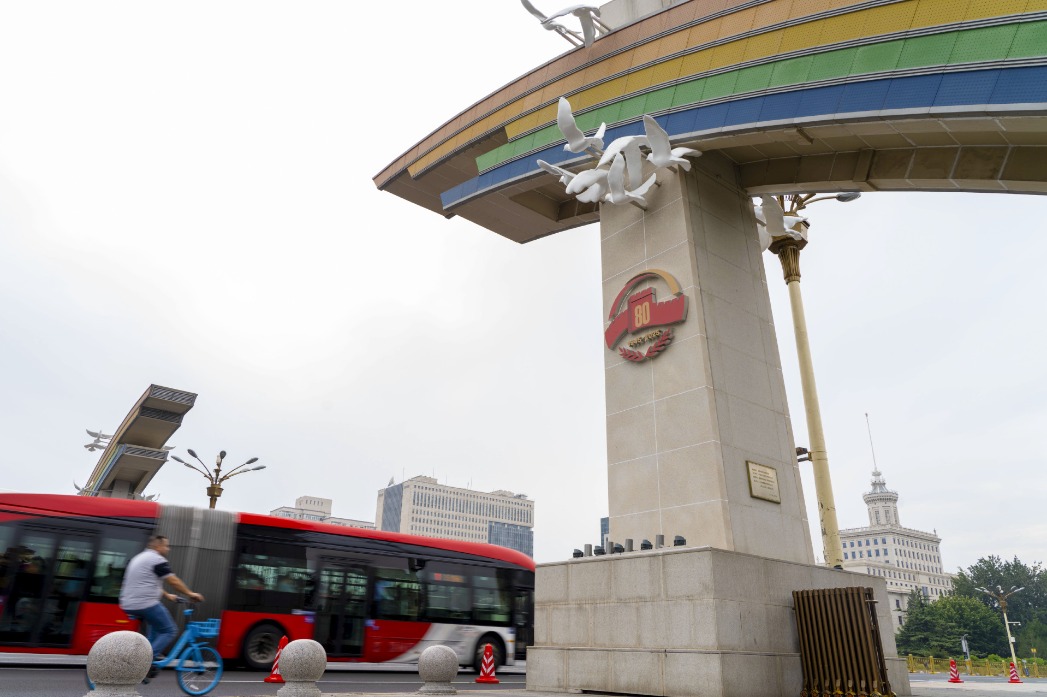
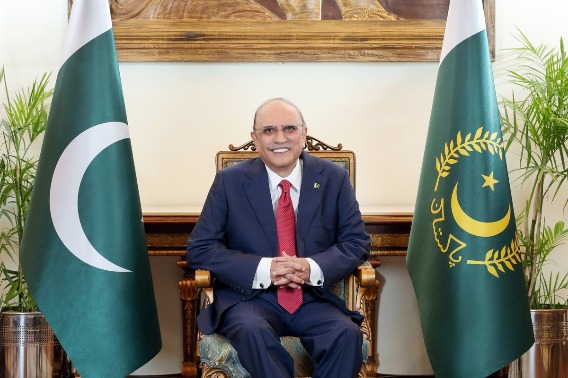
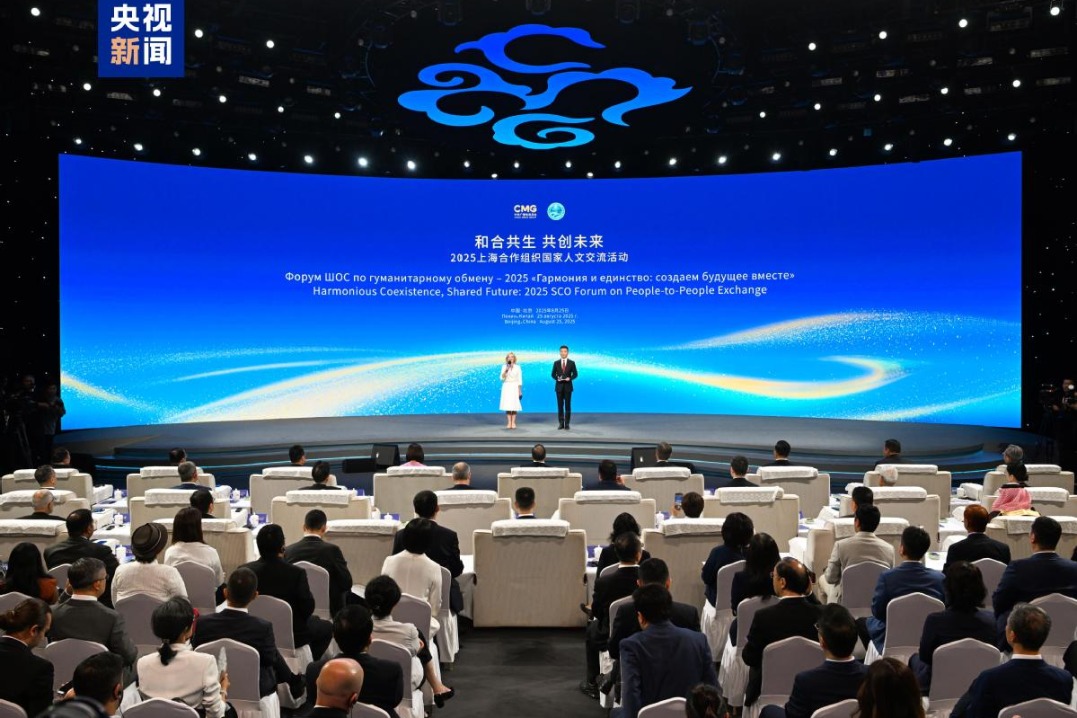
The 2025 Shanghai Cooperation Organization Summit kicked off in Tianjin on Sunday. As the largest gathering since the SCO's founding 24 years ago, the two-day event is hosting more than 20 foreign leaders and 10 heads of international organizations.
Over a century ago, in 1904, British geographer Halford John Mackinder published The Geographical Pivot of History in the journal of the Royal Geographical Society in London, identifying what is now the SCO region as an arena for the competition among major powers vying for influence. The work is now considered to be foundational to modern geopolitical theory. Central Asia has consistently served as a stage for competition among major powers and a strategic testing ground for their geopolitical ambitions. Following the dissolution of the Soviet Union more than three decades ago, five newly independent states emerged across the region. In the years that followed, whether the region would again become a battleground for major powers vying for influence, in accordance with Mackinder's geopolitical logic, became a critical issue for Eurasian security.
However, those predictions have not materialized. The region has instead achieved both stability and economic growth — achievements to which the SCO has contributed significantly. Founded in 2001, the organization has expanded from six original members to 10 member states, two observer states and 14 dialogue partners. It now encompasses about half the world's population and roughly one-fourth of the global GDP, making it the world's largest regional cooperative body in both geographic and demographic terms. In this sense, the SCO's success serves as a powerful refutation of traditional Western geopolitical theories.
First, the SCO represents a core concept of security within the Global South: an endogenous view of security. For countries in the Global South, achieving security depends on internal political stability and economic development, which jointly strengthen their domestic resilience. Political instability drains resources from economic growth, just as economic decline can fuel political unrest. Under the framework of the SCO, regional contradictions and disputes are resolved peacefully through dialogues and consultations, thereby fostering regional resilience. The synergy between domestic and regional resilience constitutes the two fundamental pillars of security in Central Asia.
In 1996, China, Russia, Kazakhstan, Kyrgyzstan and Tajikistan signed the Agreement on Confidence-Building in the Military Field in the Border Area in Shanghai.
This "Shanghai Five" mechanism later reached an accord on mutual reduction of military forces in border regions and gradually resolved lingering boundary issues. With Uzbekistan's accession in June 2001, the SCO was formally established. Over the past 24 years, no major conflict has arisen among its member states, and economic integration within the organization has steadily deepened.
Second, the SCO exemplifies the Global South's model of building mutual trust through "partnership without alliance".Although China and Russia often align on various issues, they have refrained from establishing a formal alliance. Central Asian countries maintain balanced relations with both China and Russia, while remaining open to engagement with other major global powers. In April, a summit took place between the European Union and Central Asian leaders. China itself holds regular summits with Central Asian states. The SCO's success reflects a broader trend toward multipolarity in international relations, where small and mediumsized states can cultivate ties with one major power without severing relations with others. This expanded diplomatic space for smaller nations in a multipolar world stands in stark contrast to traditional Western geopolitical narratives centered on hegemony and spheres of influencewhich fail to explain such dynamics. The endogenous security concept embodied by the SCO renders military alliances and bloc politics unappealing as security solutions. Ultimately, political stability and economic growth within member states rely on mutual respect for sovereignty and regional economic integration, while combating transnational threats — terrorism, separatism and extremism — requires sustained regional cooperation and coordination.
Third, the SCO also serves as a key practitioner of the Global South's security philosophy, which emphasizes resolving regional security issues through diplomatic and political means rather than relying on military deterrence. Shortly after the withdrawal of the United States and NATO from Afghanistan in 2021, the SCO-Afghanistan Contact Group held a special meeting of SCO foreign ministers on July 14 in Dushanbe, the capital of Tajikistan. The meeting aimed to coordinate regional countries' positions and actions regarding the situation in Afghanistan. At the gathering, Chinese Foreign Minister Wang Yi put forward important proposals to promote Afghanistan's domestic reconciliation and strengthen multilateral coordination.
In 2023, China released the Global Security Initiative Concept Paper, proposing a vision for security governance that diverges from military deterrence by emphasizing cooperation, respect for national sovereignty and international law, and conflict resolution through diplomatic mediation. Driven by this philosophy, China facilitated a historic normalization of relations between long-term rivals Saudi Arabia and Iran in Beijing in March 2023. Earlier that year, China established a preparatory office of the International Organization for Mediation in Hong Kong.
The 24-year journey of the SCO has been a success, negating outdated geopolitical theories while spurring the emergence of a new geopolitical paradigm that meets the requirements of international relations in the new era. As President Xi Jinping noted in his speech at the 18th Meeting of the Council of Heads of Member States of the SCO in Qingdao, Shandong province on June 10, 2018,"... we have forged a constructive partnership featuring non-alliance, non-confrontation and not targeting any third party. In doing so, we have achieved a major breakthrough in the theories and practices of international relations, created a new model for regional cooperation, and made new contribution to peace and development in our region."
The SCO Tianjin Summit is poised to become a historic milestone in uniting Global South countries in their advocacy for an equal and orderly multipolar world, and the advancing of inclusive and mutually beneficial economic globalization.
The author is a professor at the School of International Studies at Nanjing University. The author contributed this article to China Watch, a think tank powered by China Daily. The views do not necessarily reflect those of China Daily.
Contact the editor at editor@chinawatch.cn.