Rational attitude toward overseas returnees good for development







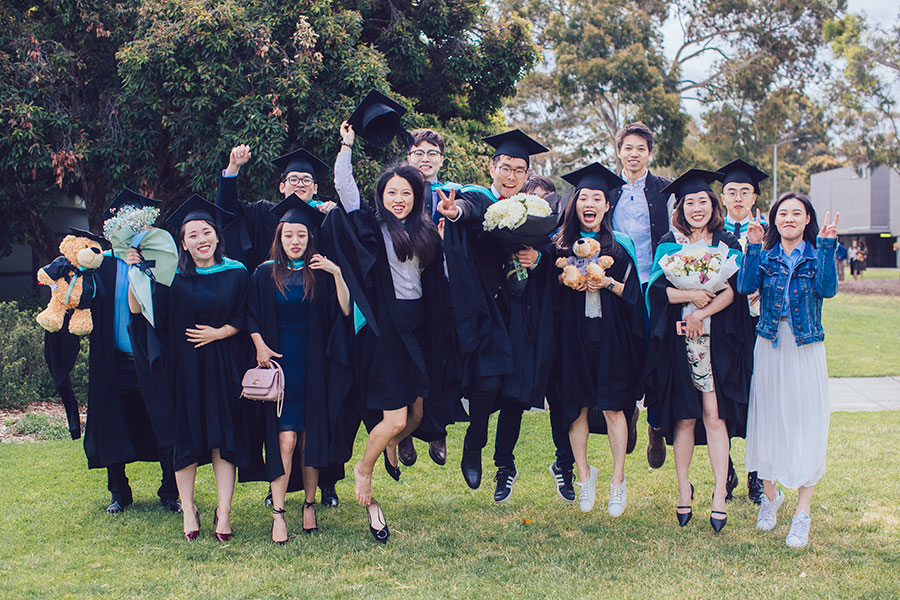
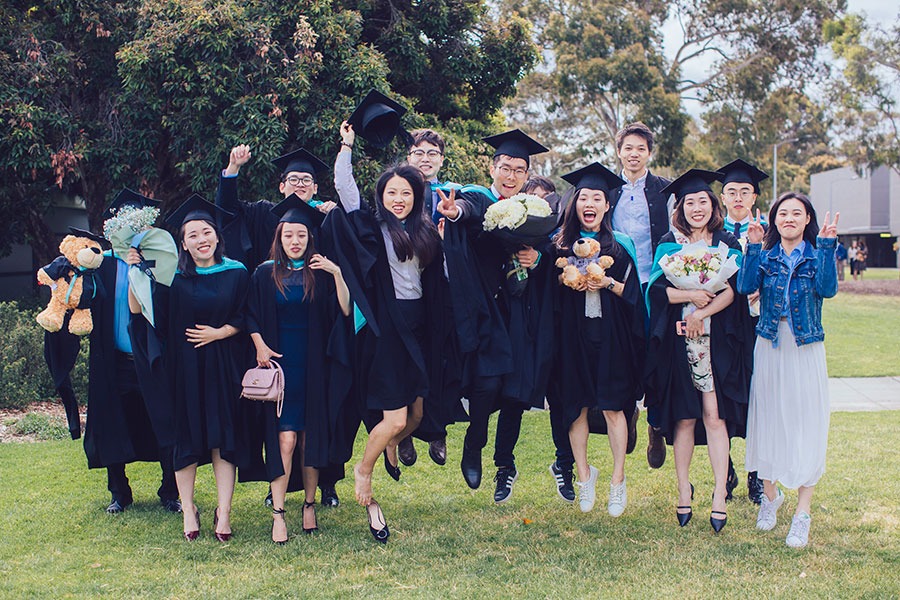
"Never expected to find such a perfect job so quickly at my doorstep," exclaimed a UK-returned postgraduate at a recent overseas returnee talent recruitment fair in Beijing's sub-center. In Shanghai, the overseas returnee talent innovation and entrepreneurship base — M-Speed Space — was unveiled late last month. And in Yinchuan, Ningxia Hui autonomous region, the northwestern region's first technology incubator dedicated to serving returnees is expediting its plan to attract over 200 overseas graduates within three years. These parallel stories carry symbolic weight.
Despite lingering disagreements, online discussions on haigui (returnees) in recent months have gradually coalesced into a certain consensus. The spirited debate not only reflects the diversity of contemporary Chinese public opinion but also creates an unexpected opportunity to contemplate significant issues.
The issue became the topic of a major discussion on national security and development in the globalization era after a prominent entrepreneur said that "returnees are not hired because some may be spies", which left a potentially profound mark on China's internet.
First, the debate itself is a social phenomenon of the digital information age. While sharing a common goal — of boosting the nation's development — different groups hold different views on whether haigui are reliable, and whether those traveling abroad for higher studies and later returning home should be encouraged.
Though extremes of "exclusion" and "laissez-faire" exist, the rational mainstream views ultimately prevailed: China, to become a modern socialist power, needs to attract talents from across the world; returnees are a vital force promoting scientific and technological innovation; and the policy of "supporting study abroad and encouraging return" remains steadfast.
According to reports, by 2024, more than 6.56 million Chinese students had traveled abroad for higher studies, with 79.3 percent of them acquiring master's or higher degrees. Driven by the country's high-quality development and stronger policy support, the "return tide" continues to surge. Data show over 80 percent of the 700,000 Chinese students still studying abroad prefer returning to China after graduation. In 2024, returnee job seekers increased by 20 percent year-on-year, a record high and about twice as much as the 2018 figure.
Of course, today's vast cohort of returnees differs from the older generation like Qian Xuesen and Deng Jiaxian, who returned in the early days of New China and created the "Two Bombs, One Satellite" miracle. Among the 1,892 students or scholars returning between 1949 and 1965, 76 percent became pioneers in their respective fields and were hailed as strategic assets propelling the nation's rise.
The contributions of returnees are evident even today. US media reported that 20 top Chinese-American scientists returned to China in the first half of 2024, with 16 of them engaged in cutting-edge fields such as quantum computing and biomedicine. According to the Ministry of Human Resources and Social Security, by 2023, over 70 percent of leaders of national key research projects, more than 70 percent of presidents of universities under the Ministry of Education, and most heads of top-tier hospitals had an overseas study background.
But despite increasing openness, discrimination against returnees coexisted with blind admiration. Proportionally, the overall "gold content" of returnees' degrees may have declined. Social progress offers diverse choices, and indeed, some students go abroad partly to avoid the intensely competitive college entrance exam at home. The era when an overseas degree was considered an advantage is gone. Today, individuals from different academic backgrounds deserve equal treatment, not preferential or prejudicial consideration.
National security should be the top priority. But labeling an entire group as "potential spies" and simplistically tying it to national security is neither correct nor wise. Blanket exclusion of returnees over security fears contradicts the logic of talent mobility in a globalized era.
Today, China's development environment is more complex than ever. Being vigilant about security aspects when it comes to hiring returnees is reasonable. In recent years, there have been frequent espionage threats against Chinese companies and research institutions, with returnees being potential targets. The question is not whether but how, that is, how to balance openness and security.
As one economist noted, choosing between an open and closed approach to talent is essentially a management challenge. Strict background check for roles involving national security or core technologies is an international norm. From multinational corporations' tiered confidentiality systems and data sandboxing to Chinese firms' "three-tier compliance reviews", "Data Security Officers", and "virtual isolated work zones", these are all safety valves within modern management systems.
At a deeper level, the controversy probes what constitutes rational patriotism. Amid intensified major-power rivalry and efforts by some forces to foster hostility against China, skepticism toward returnees and studying abroad itself risks fueling extreme nationalist sentiments. Actions driven by such emotions run counter to China's broader development interests and damage its international image.
History shows that great powers thrive on openness and decline when they choose to isolate themselves. Last November, the Organization Department of the Communist Party of China Central Committee and other departments jointly issued guidelines aimed at strengthening policy support for returnee talents, a stark contrast to the closed policies in some parts of the world. As Ren Zhengfei, CEO of Huawei, said in a People's Daily interview: "The more open the country is, the more it will drive our progress."
The author is chief researcher at the China Watch Institute, China Daily.
If you have a specific expertise, or would like to share your thought about our stories, then send us your writings at opinion@chinadaily.com.cn, and comment@chinadaily.com.cn.