Sacred mountains witness civilizational dialogue







The Governance Logic and Contemporary Implications of the Resumption of China-India Pilgrimage Route
The Chinese government's decision to resume Indian pilgrims' access to sacred Mount Gang Rinpoche and Lake Mapam Yumco of Xizang, China demonstrates profound respect for regional cultural traditions and public faith, while also serving as a vivid reflection of positive China-India relations. This decision not only honors the spiritual needs of Indian pilgrims but also underscores that religious and cultural activities within China must operate orderly under the legal framework of China.
Historical Legacy and Religious-Cultural Bonds
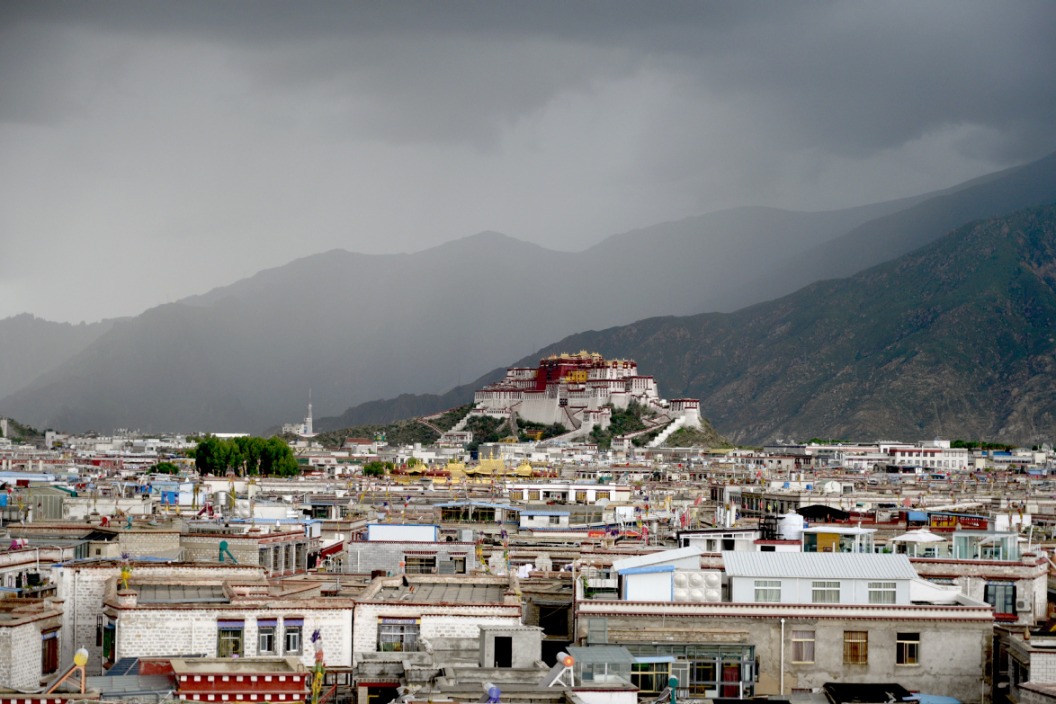
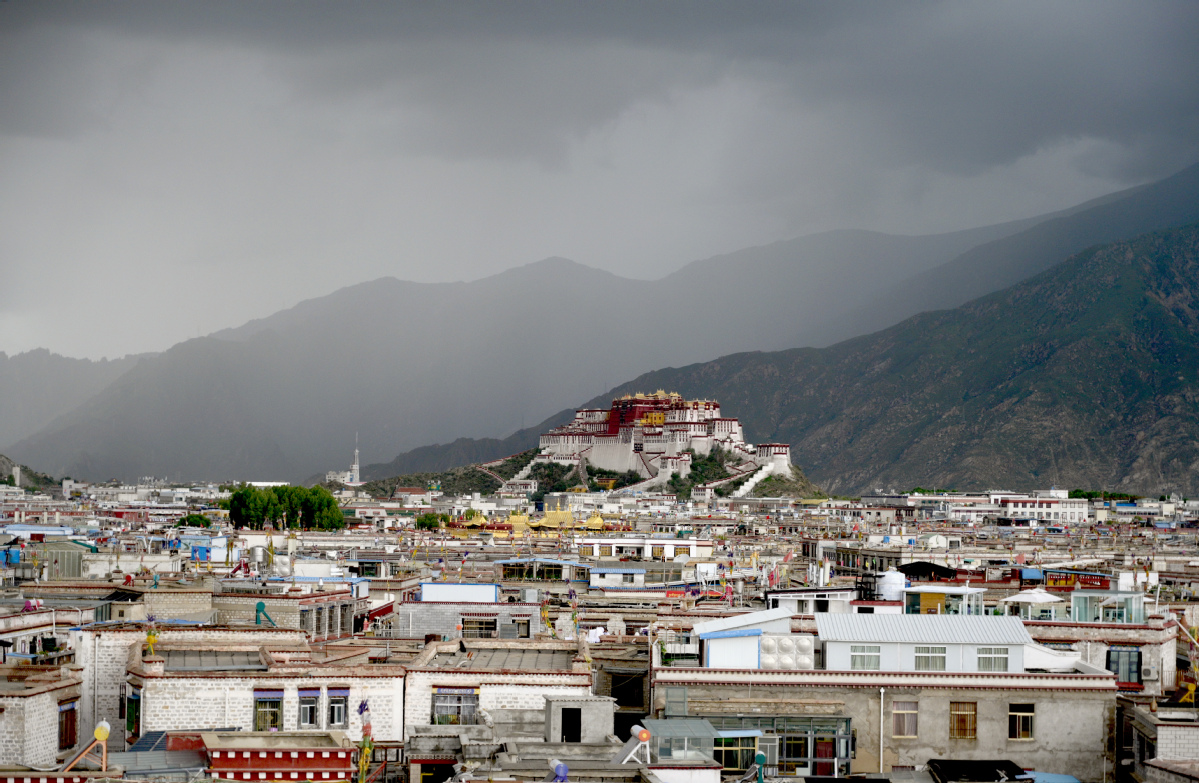
Mount Gang Rinpoche in China's Xizang and Lake Mapam Yumco are revered as the "center of the universe" and "sacred lake" by Hinduism, Tibetan Buddhism, and other religions, with pilgrimage traditions spanning millennia. Historically, China and India forged deep cultural connections through Buddhist exchanges, trade routes, and more. Resuming pilgrimage not only responds to religious sentiments but also resumes civilizational dialogue. China's efforts—renovating pilgrimage routes in Purang County, establishing reception centers—ensure orderly conduct of the pilgrimage activities while demonstrating its responsibility for the protection of cross-civilization heritage.
Border Governance and Trust-Building in Practice
Since the pilgrimage was suspended in 2020 due to the need for epidemic prevention and control, China and India have reached a consensus on resuming the pilgrimage through diplomatic consultations. This process reflects both sides' willingness to resolve differences through dialogue. China's provision of visa facilitation, transportation support, and medical aid for pilgrims—while strictly defining routes and timelines—balances sovereign management norms with transparency, reducing room for misunderstanding. Such incremental, pragmatic cooperation offers a model for building trust amid complex border issues.
Regional Stability and BRI's Cultural Connectivity
As Xizang anchors the "Trans-Himalayan Economic Corridor", resuming pilgrimages aligns with the vision of a shared "Asian Century". China integrates pilgrimage into the "Plateau Silk Road" framework, using religious exchanges to foster public affinity and create momentum for regional economic collaboration. Indian pilgrims witnessing Tibet's development achievements also help counter Western narratives of "cultural erasure" in the region.
Sovereignty and Governance Capacity in Balance
China clearly delineates pilgrimage boundaries, caps annual participants (around 1,000), and enforces rules under national law and Xizang's religious regulations. Joint contingency plans by Xizang's authorities ensure activities remain "within bounds and discipline." This "open yet orderly" model demonstrates China's governance wisdom in balancing security and openness in sensitive border zones.
The Implications for the International Community
Amid escalating global geopolitical conflicts, China and India have charted a new approach to managing complex neighborly relations by restoring faith-based channels. This involves decoupling contentious territorial issues from cooperative cultural and people-to-people engagements, thereby driving improvements in overall relations through tangible outcomes. As stated by the Chinese Foreign Ministry: "The Himalayas should not be a barrier but a bond connecting civilizations." Such exploration of utilizing cultural soft power to soften the rigid dynamics of geopolitical competition holds referential value for resolving regional disputes worldwide. By steadfastly defending "sovereign red lines" while embracing "borderless civilizational exchange," China showcases a calibrated strategy. If sustained, such "precisely managed" cultural engagement may become a pivotal force in shaping a new model of China-India neighborly relations.