China's high-tech path to a greener, brighter future







One of the most compelling aspects of China's economic transformation is its strategic embrace of digital technology and artificial intelligence as catalysts for sustainable growth. Across multiple sectors, including energy, transportation, manufacturing and agriculture, China is using AI to optimize processes, reduce waste and increase productivity. This technological advancement is not only reshaping traditional industries but also driving the development of emerging sectors, reinforcing China's position as a global leader in innovation.
AI-enabled smart city projects are among the most visible manifestations of this transformation. In urban planning and infrastructure development, AI-driven solutions are improving energy management, optimizing traffic flow and improving public services. Intelligent traffic systems, for instance, use real-time data to ease traffic congestion, reduce fuel consumption and reduce emissions. Likewise, AI applications in energy management contribute to efficiency, by predicting electricity demand, integrating renewable energy sources and optimizing grid stability.
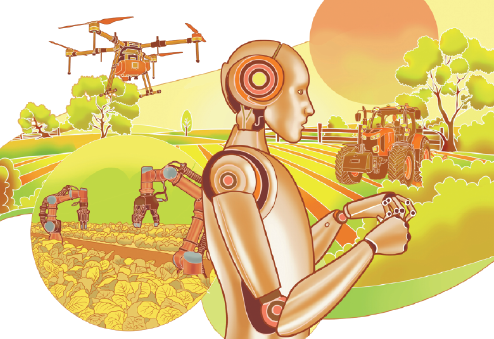
In the agricultural sector, AI and precision farming techniques are being leveraged to boost crop yields while minimizing the environmental impact. By employing big data analytics, machine-learning, and internet-of-things devices, farmers can optimize water usage, reduce chemical inputs and improve soil management. These advances align with China's dual goals of achieving food security and environmental sustainability.
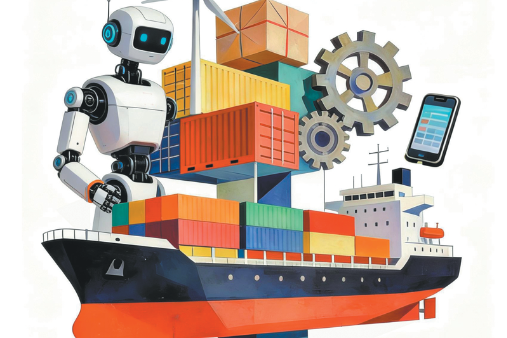
Beyond these sectors, AI is revolutionizing China's manufacturing sector. Smart factories, equipped with advanced robotics and AI-powered quality control systems, are driving efficiency and reducing operational costs. Automation in industrial production is enhancing competitiveness while mitigating labor shortages, especially in high-tech and export-driven industries.
China's concerted effort to build a robust digital infrastructure is another key factor accelerating AI development. Major technology hubs in cities such as Shenzhen, Beijing and Hangzhou serve as innovation clusters that attract global talents and foster breakthroughs in machine-learning, robotics, and big data analytics.
While China's digital transformation continues to be a pillar of its economic development, a notable shift in emphasis is underway. The government now prioritizes boosting domestic consumption and improving the efficiency of investment to increase internal demand.
Efforts to stimulate domestic consumption involve policies that boost consumer confidence, support small and medium-sized enterprises, and expand social safety nets. Measures such as income tax cuts, wider healthcare coverage, and initiatives to boost employment are expected to increase household spending.
At the same time, improving the efficiency of investment is essential for sustaining economic momentum. Rather than relying solely on large-scale infrastructure projects, the government is channeling resources into high-tech industries, digital services and green energy. This refined approach ensures capital allocation aligns with long-term productivity gains and environmental sustainability, reinforcing China's transition toward an innovation-driven economy.
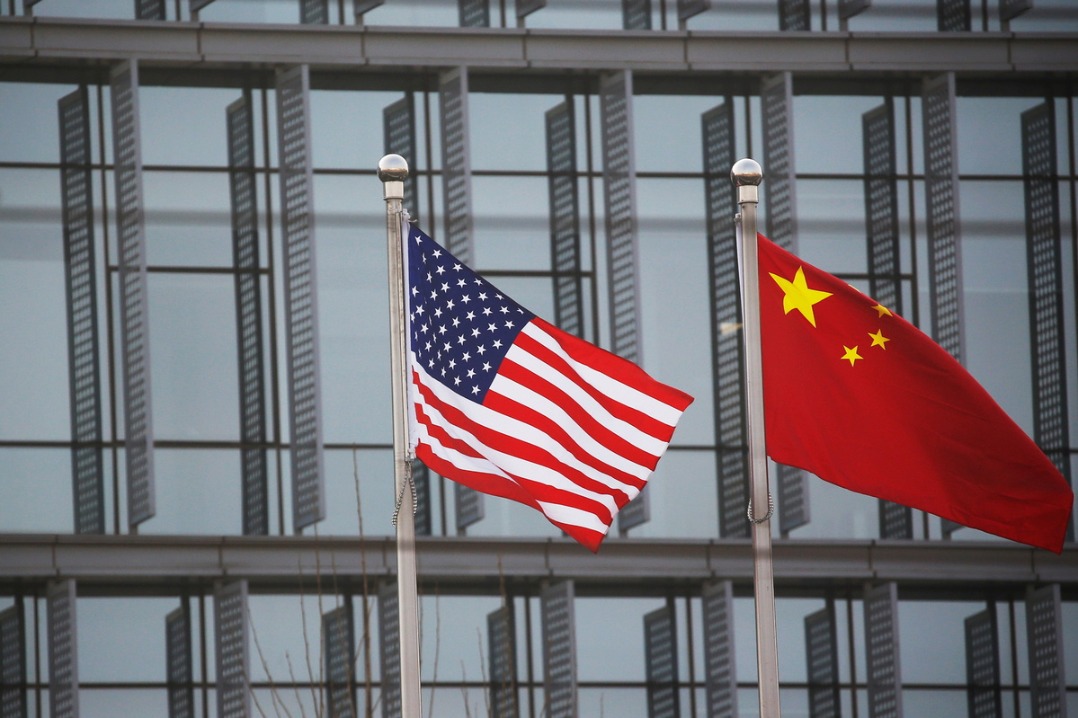
China's economic policies are being shaped by its response to global trade conflicts, too, particularly those necessitated by the US administration's tariffs and rising geopolitical tensions with Western economies.
In the semiconductor industry, for instance, China has intensified efforts to develop home-grown alternatives to foreign chip technology, while major State-led initiatives and investments are promoting innovation, reducing dependency on imports, and better safeguarding national security in critical technologies.
Besides, the China-proposed Belt and Road Initiative continues to play a crucial role in boosting country's economic resilience. By investing in infrastructure projects and expanding trade networks across Asia, Africa and Latin America, China is developing new markets, including in BRICS and Belt and Road countries.
Scholars such as Wang Jisi and David Dollar argue that these long-term strategies may help counteract the effects of the Western economies' containment efforts, and position China as a central force in shaping the global economic order.
China's economic trajectory will increasingly depend on its ability to balance technological innovation, demand expansion, and economic diplomacy. While AI and digital transformation will remain key drivers of progress, the government's renewed emphasis on stimulating domestic consumption and enhancing investment efficiency reflects a pragmatic strategy for sustaining growth in an evolving and complex global landscape. At the same time, China is accelerating its transition toward a green economy, investing heavily in renewable energy, electric mobility, and sustainable infrastructure.
In short, China's economic outlook remains optimistic, underpinned by its commitment to AI and digital transformation, a strategic shift toward boosting domestic demand, and a proactive approach to trade conflicts. By continuously using its economic strategy to meet emerging challenges, China is aiming to build long-term resilience and achieve sustainable prosperity.
The author is a German political scientist (Freie Universit?t Berlin) and an international cooperation expert.
The views don't necessarily reflect those of China Daily.
If you have a specific expertise, or would like to share your thought about our stories, then send us your writings at opinion@chinadaily.com.cn, and comment@chinadaily.com.cn.