People-centered urbanization propels Guizhou's transition







The Government Work Report on Wednesday emphasizes the importance to refine the mechanisms for implementing the coordinated regional development strategy, and take a people-centered approach to promoting higher-quality urbanization.
Urbanization is a fundamental driver of modernization and development, and in China, it is closely related to the pursuit of higher living standards and greater social equity. With the continuous advancement of the new urbanization process, Guizhou has undergone dramatic transformations.
In Guizhou, one of the country's most diverse and geographically challenging provinces, urbanization is not only a policy to build infrastructure or modernize cities but a means to improve the quality of people's lives. The province's human-centered approach to urbanization offers an important lesson for how cities can grow in ways that benefit the people.
Over the past decade, Guizhou has undergone a profound transformation. From 2012 to 2024, the urban population in Guizhou grew by 9.19 million, while the rural population shrank by 5.42 million, a shift emblematic of China's broader urbanization trend. People have migrated from rural to urban areas in search of better jobs, education and healthcare. Guizhou's success is evident in its ability to alleviate poverty and its commitment to build a moderately prosperous society for all.
Guizhou's urbanization is people-centered. The province accords priority to improving people's lives and livelihoods, and makes sure urban growth is not just about infrastructure or economic growth but also about meeting people's needs. The province's urbanization policy aligns with the broader goals of national development, integrating industrial growth, agricultural modernization and urban development into a cohesive framework. By focusing on sustainable and people-first policies, Guizhou has ensured the benefits of urbanization are shared by all the people.
Guizhou's urbanization model lays emphasis on population concentration in key urban centers, which allows it to allocate resources more efficiently, provide better public services, and develop industries that can better serve the needs of a larger population. The province has focused on fostering growth in strategic urban areas such as Guiyang and Gui'an New Area, ensuring these areas become engines of economic development.
While the province's population continues to grow, the provincial government has carefully managed this increase by making sure urban areas can absorb new residents without overwhelming existing infrastructure.
Also, Guizhou recognizes the importance of industrialization in driving urbanization. Industries create jobs that attract rural residents to cities. But Guizhou's industrial structure limits its ability to absorb the increasing flow of workers and, hence, a significant number of the province's rural workforce migrates to other regions for work. To address this issue, Guizhou has been developing key industrial bases and clusters, strengthening county-level industries and fostering innovation and new business models to boost the urban economy and ensure urbanization is balanced.
Guizhou's urbanization focuses on integrating rural migrants into the social and economic fabric of urban life by developing infrastructure and housing, and absorbing rural migrants in urban society by removing many of the barriers to urban residency.
By implementing policies that allow easier access to urban areas and offering vocational training and entrepreneurship support, the province has helped migrants settle in urban areas, start businesses and contribute to local economies.
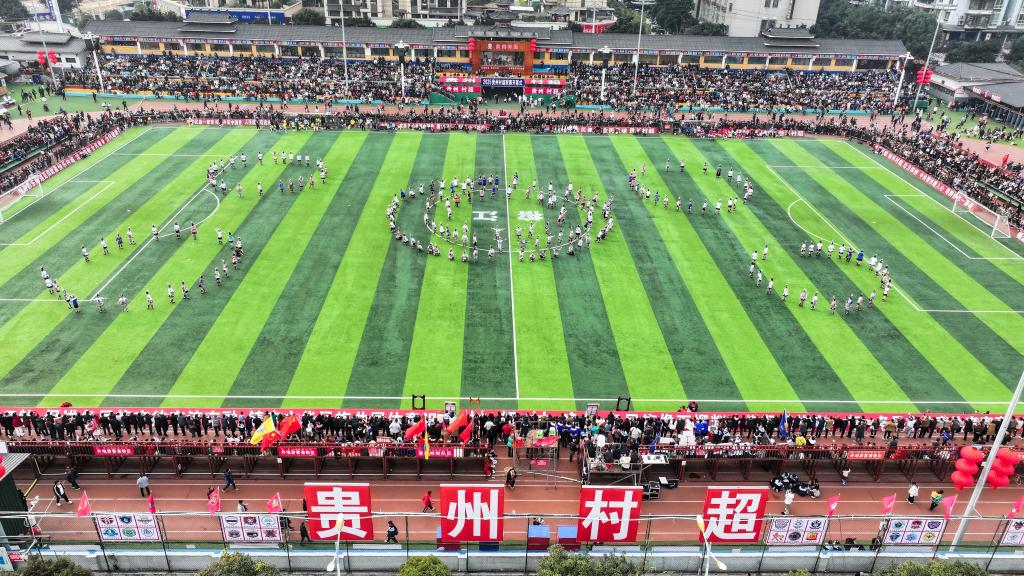
Another prominent feature of Guizhou's urbanization is its adaptability. The province has adopted a highly flexible approach to development, ensuring its urbanization policy suits the conditions and resources of different regions. For example, some areas have capitalized on their natural resources, such as phosphate mines in Fuquan city, to drive industrial growth, while others have focused on developing tourism, for instance, Rongjiang county has gained online popularity due to its "super village league" football matches. Kaili city has been actively promoting the involvement of enterprises, rural talents, and urban residents in rural vitalization efforts, whereas Xingyi city has been establishing itself as a haven for senior citizens, focusing on providing quality nursing care services.
Guizhou's urbanization rate increased from 36.4 percent in 2012 to 56.65 percent in 2024, narrowing the gap with the national average. Disparities persist between urban and rural areas, with some cities struggling to keep up with the pace of population growth.
Nevertheless, Guizhou's human-centered approach to urbanization offers ways to address these challenges, setting an example for other regions to follow, because the provinces' urbanization is not just about building more infrastructure but also about ensuring economic growth is sustainable and equitable, and improving the people's lives.
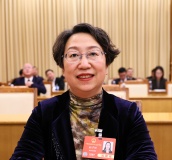
The author is a deputy to the 14th National People's Congress and dean of the Guizhou Institute for Urban Economics and Development, Guizhou University of Finance and Economics. The views don't necessarily reflect those of China Daily.
If you have a specific expertise, or would like to share your thought about our stories, then send us your writings at opinion@chinadaily.com.cn, and comment@chinadaily.com.cn.