Xi-Trump dialogue: Seizing opportunity for intl peace







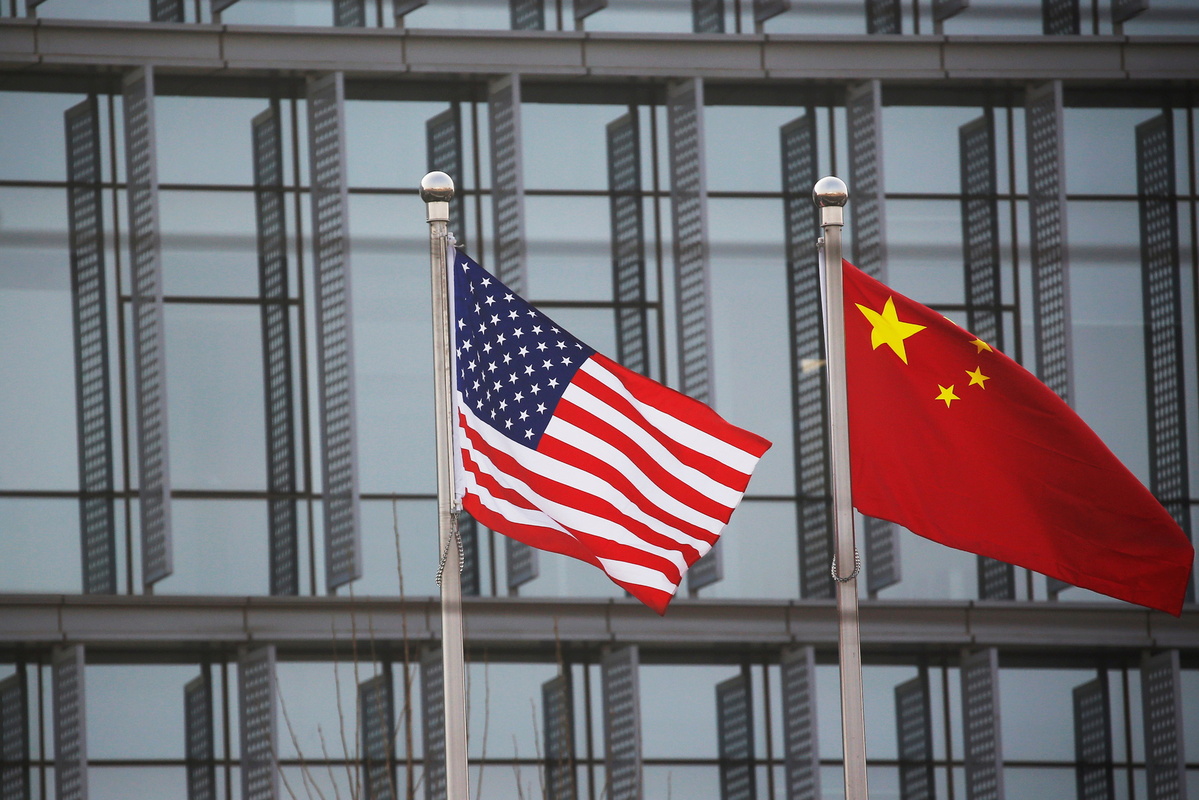
Donald Trump was sworn in as the 47th president of the United States on Monday. Chinese President Xi Jinping dispatched Vice-President Han Zheng as his special representative to attend Trump's inauguration, signaling a readiness for constructive dialogue despite long-standing tensions between the two countries.
This gesture, paired with a reportedly productive phone call between the two leaders, offers a glimmer of hope in an otherwise problematic geopolitical situation. Trump's declaration that he and Xi could work together to "solve many problems" is ambitious but not implausible. As the leaders of the world's two largest economies, their collaboration — or lack thereof — will undoubtedly have an impact on global stability and prosperity.
Trump has always been a pragmatist and not a political ideologue, as well as a bold dealmaker unafraid to rewrite the rules. His past presidency, marked by a fierce trade war with China, showed that antagonistic strategies have limits. The escalating of tariffs and sanctions hurt not only China but also US farmers, manufacturers and consumers. Now Trump seems to signal a pivot toward engagement, recognizing that zero-sum rivalries are counterproductive in a world of interconnected economies.
Trump's willingness to reach out to Xi, despite years of mutual distrust between both countries, reflects his understanding that the US and China must coexist. Reforming US foreign policy on China, which has in recent years tragically leaned heavily on containment and confrontation, is a wise and calculated move. Shared challenges — climate change, public health crises, geopolitical instability and supply-chain disruptions — demand collaboration, not division.
Xi's decision to send a high-ranking representative to Trump's inauguration signals a willingness to engage. While symbolic, this move reflects Beijing's interest in stabilizing relations. A global trade power that thrives in times of robust international stability, China benefits from cooperation rather than confrontation with the US.
Xi's response demonstrates pragmatic leadership. By opting for high-level dialogue over escalation of tensions, he again reiterates China's stance on being a willing partner in addressing global challenges. His recent emphasis on mutual respect and collaboration aligns with Beijing's long-term and consistent vision of "peaceful development".
The potential for US-China collaboration is immense, especially in areas where their interests align.
Both nations have a stake in addressing climate change, stabilizing financial markets, tackling global conflicts such as the Ukraine war, combating terrorism, and advancing innovation in artificial intelligence and space exploration.
Trade remains a critical area for breakthroughs. While Trump's grievances about trade imbalances are legitimate, they can be addressed through negotiation rather than confrontation. Xi has already signaled China's willingness to continue opening its markets further and strengthen protection for foreign investors.
Joint efforts in green technology and renewable energy could not only curb climate change but also set a powerful example for other nations. Such cooperation would demonstrate that even the fiercest competitors can unite for the greater good.
Despite exciting opportunities, significant obstacles remain. Trump's Cabinet appointments, such as China hawk Marco Rubio as US secretary of state, reveal seemingly intractable internal divisions on how to approach Beijing. Rubio's undiplomatic rhetoric contrasts sharply with Trump's statesmanlike overtures, reflecting Washington's ideological split between those advocating engagement and those favoring containment.
China, too, has strong nationalist sentiment, fueled by years of unilateral US sanctions and nonstop perceived slights. The Taiwan question remains a particularly volatile flashpoint, where I believe any missteps by the US could lead to a military escalation.
For Trump and Xi to succeed in resetting troubled relations, both leaders need to prioritize long-term stability over short-term political gain. Trump needs to resist pressure from neocon hardliners and irresponsible political demagogues who wish to escalate tensions, so that Xi can reciprocate with positive diplomatic, trade and other responses.
This historic moment of Trump's return to power offers a rare chance to normalize and depoliticize US-China relations. By shifting from past destructive and adversarial posturing to constructive collaboration, the two nations can rewrite the global narrative and human history. Trump and Xi must work together on shared lofty goals.
As Trump aptly said, "President Xi and I will do everything possible to make the world more peaceful and safe." This is not merely rhetoric; it is a call for action for two of the most influential leaders of our time to rise above past divisions and proactively pursue common solutions.
In a world plagued by dizzying uncertainty, their high-level dialogue and willingness to cooperate inspire hope for Asia and the rest of the world. While the grim challenges are immense, the opportunities for cooperation and mutual benefit are limitless.
Let us dare to envision an extraordinary partnership between these two giants, the US and China — a bold, transformative legacy of collaboration and peace that reshapes our world and inspires generations to come. This pivotal moment could mark the beginning of a new era of real global stability, faster economic growth and shared prosperity.
The author is an economics and politics analyst, an award-winning columnist for the Philippine Star and Abante newspapers, a book author, and a moderator of the Pandesal Forum.