Will cross-border e-commerce bring threats or immense opportunities?







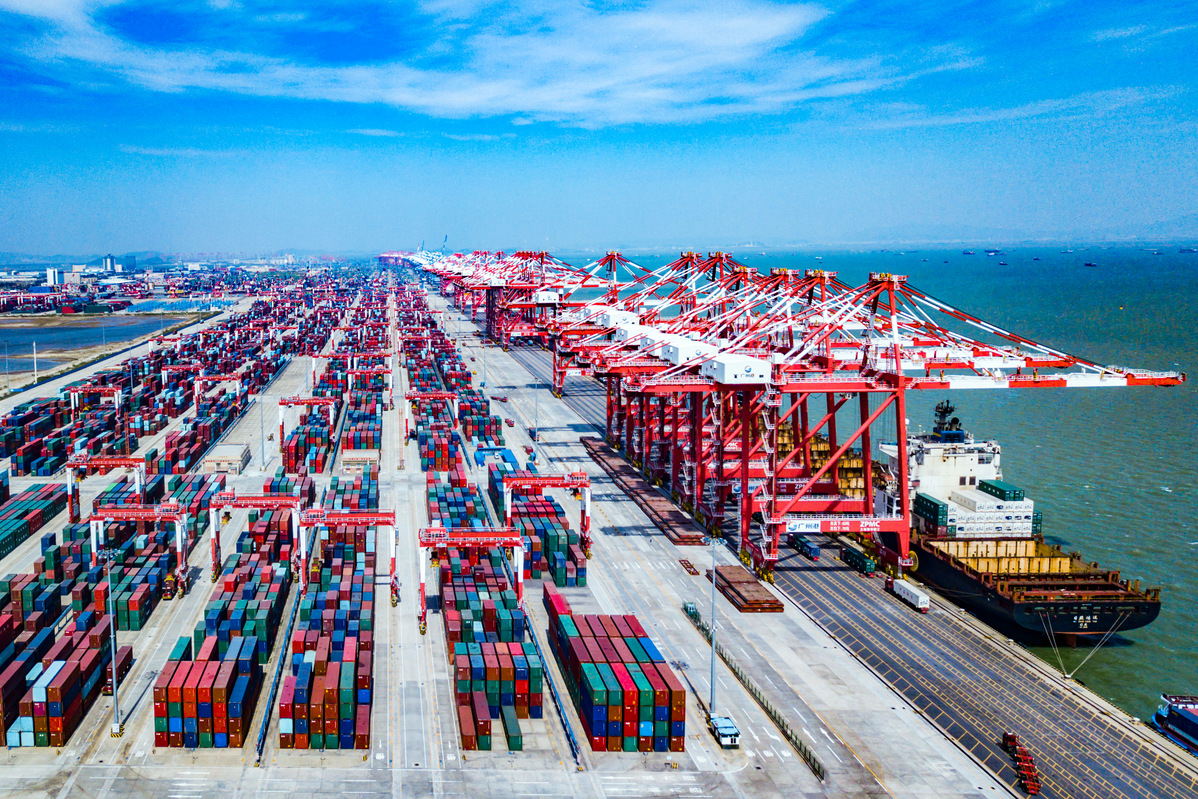
Cross-border e-commerce has developed rapidly in recent years, thanks to the acceleration of globalization and the widespread application of Internet technologies. By leveraging online platforms, cross-border e-commerce brings together commodities and services from all over the world, giving consumers a brand new shopping experience with its competitive prices, diverse choices and unparalleled convenience. It has also opened up broader market space for many small and micro-sized enterprises.
Threats trigger more restrictive measures
However, this burgeoning new trade model has struck a blow to traditional business ecosystems. Cross-border e-commerce platforms, by cutting intermediaries and optimizing logistics systems, have substantially reduced the costs of moving commodities around. This has threatened conventional businesses, traditional retailers and manufacturers in particular, which are less competitive in production and operations. This could also render certain products and industries redundant, potentially triggering social issues such as unemployment.
To protect their own enterprises from such impact, some countries have implemented various restrictive measures, including raising tariffs, conducting stricter product standard reviews, limiting the market entry of foreign-invested e-commerce platforms and launching anti-dumping probes.
Such measures are not unfamiliar. The rise of something novel often moves the “cheese” of certain stakeholders, resulting in their resistance and hostility. When automobiles were first invented in the late 19th century, they encountered similar protests, not only from the privileged class in Europe and America but also the horse-drawn carriage operators, for the former loathed the loss of privilege resulting from the availability of affordable cars while the latter felt their livelihoods were under threat.
Due to their clamor, public opinion tilted against automobiles. Governments of several industrialized nations even enacted laws requiring cars to give way to horse-drawn carriages and specifying that they must travel at a slower pace.
Just imagine: had modern productive forces and production methods succumbed to the outdated ones, allowing horse-drawn carriages to remain the primary mode of transportation, what would our lives look like today?
Protectionism has consequences
Restrictive measures against cross-border e-commerce may give some domestic enterprises temporary relief, but they limit consumers’ shopping options. This is particularly problematic during prolonged global economic downturns when people need affordable, quality goods more than ever. This is precisely why e-commerce platforms like Temu, which offer consumers a wide selection of quality products with affordable prices and quick delivery services, have been popular among consumers. Suppressing cross-border e-commerce arbitrarily only harms domestic consumers, compelling them to bear higher costs.
Excessive protectionist measures, in the long run, may inhibit the flow of factors of production, thereby weakening economic vitality. The rise of cross-border e-commerce is an inevitable product of the times, thanks not least to the wide application of digital technologies such as big data, cloud computing and AI in cross-border export service chains. The highly efficient logistics system that connects factories directly to consumers, along with increasingly perfected digital payment methods, enables consumers to shop globally with ease. This innovative model is poised to serve as a new driving force for global trade and cooperation, which should not be constrained by artificial barriers.
Cross-border e-commerce needs to be steered, not suppressed
Cross-border e-commerce, still in its early stages, does have shortcomings, much like automobiles when they were initially invented. Automobiles were once criticized for causing dangers, overcrowding, and pollution upon their introduction. But with the passage of time, complementary infrastructure such as traffic signs, multi-lane highways, and multi-story car parks were gradually put in place. The environmental impact has also been minimized, thanks to the contribution of new energy vehicles, whose quality and performance are constantly enhanced.
Going forward, cross-border e-commerce platforms need to continuously enhance their competitiveness according to market feedback and regulatory requirements, offer high-quality, differentiated products and services, and refrain from unsustainable price wars.
For governments, they need to adopt a more proactive and rational approach and help create a level playing field through rational regulations and taxation. The task before them is to balance regulating cross-border e-commerce with protecting domestic industries, continuing to promote the free flow of global trade.
Domestic enterprises need to rise up to the challenges by enhancing their capabilities in product innovation, technological upgrading, and service improvements to keep pace with the times. By actively engaging in market competition and embracing international e-commerce platforms, they will surely go local and global.
As globalization continues to deepen in today’s world, cross-border e-commerce does not simply mean transnational commercial transaction but rather serves as a bridge connecting diverse cultures, technologies, and markets. With innovation, regulation harmonization and win-win cooperation, cross-border e-commerce will bring more opportunities and possibilities for the global economy.
The author is a Beijing-based international affairs commentator.
The views don't necessarily reflect those of China Daily.
If you have a specific expertise, or would like to share your thought about our stories, then send us your writings at opinion@chinadaily.com.cn, and comment@chinadaily.com.cn.