Trump's return: What it means for Middle East







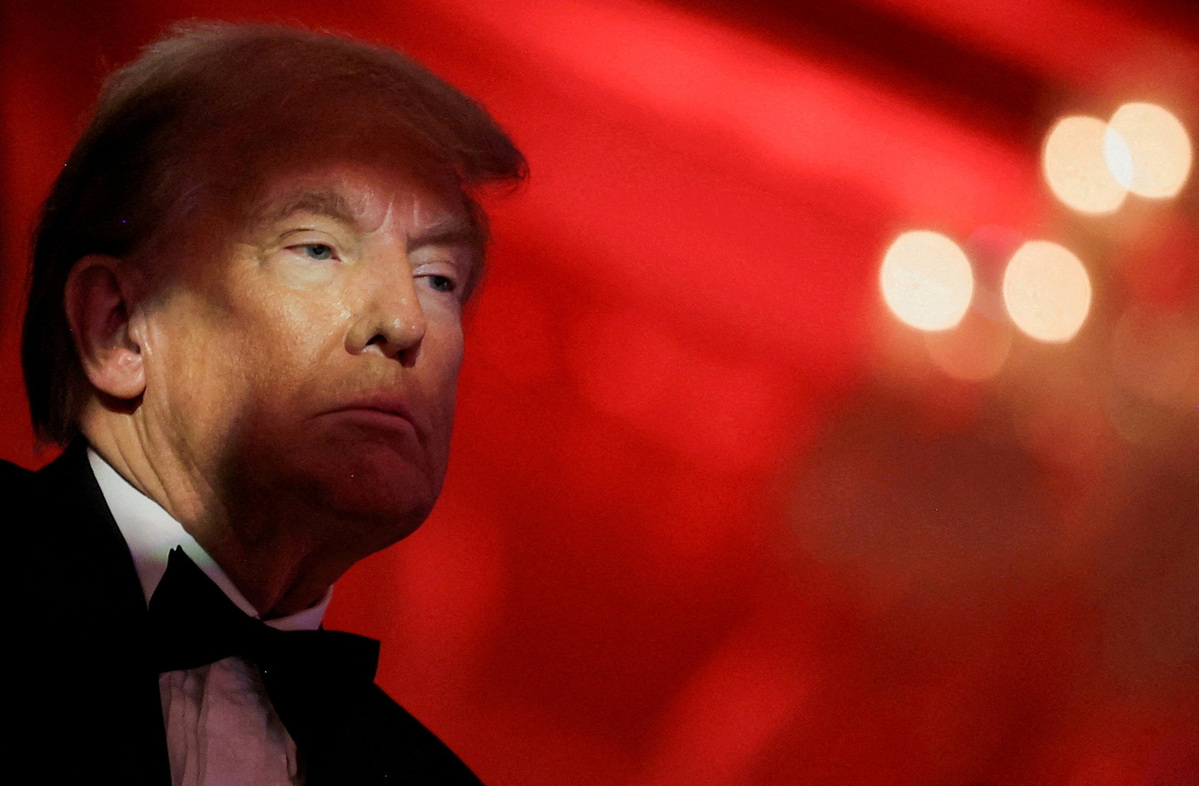
Donald Trump scored a decisive victory in the Nov 5 United States presidential election, defeating his Democratic opponent Kamala Harris, thus putting himself on course to retake the White House as the nation's 47th president.
Trump's first term from 2017 to 2021 saw strengthened US ties with Saudi Arabia, the United Arab Emirates and Bahrain, with the "maximum pressure" policy on Iran leading to the so-called Abraham Accords for normalization of ties between Israel and the Arab states. The period was also marked by major US military deals with Gulf nations.
Under US President Joe Biden, Washington's policy shifted to focus on Iran and Yemen, influenced further by the Russia-Ukraine conflict and Israel-Palestine stalemate.
Now, with Trump's impending return, the question is: How will US-Gulf relations change again?
Analyzing foreign policy at the individual level, we can see that Gulf countries have welcomed Trump's reelection.
Saudi Crown Prince Mohammed bin Salman and UAE President Sheikh Mohamed bin Zayed Al Nahyan had good relations with Trump even before his first term as president started in 2017. This early connection led to major policy alignments. During his first stint at the White House, Trump strengthened ties with these leaders, marked by significant military deals with Saudi Arabia, which he promoted as employment opportunities in the US. He also maintained the image of strong US security support in the region.
With the UAE President, Trump played a key role in the Israel-UAE normalization agreement, treating the UAE as a major partner alongside Saudi Arabia. In his first term, Trump also influenced the 2017-21 blockade on Qatar. Despite early challenges with Qatar's leadership, Trump later became a significant supporter as Qatar weathered the blockade with minimal impact.
In a new term, Trump is likely to promote cooperation among Saudi Arabia, the UAE and Qatar, aligning with his "economic nationalism "and "America First" policies. Strengthening Gulf ties could help limit other major powers' influence in the region, a thinking that could prompt Trump to maintain strong relationships with Gulf leaders.
As many analyses suggest, Trump's transactional diplomacy, focused on short-term gains, implies that US-Gulf relations at the national level will prioritize economic and strategic interests. We can expect new agreements that align with the financial and economic goals of both sides, alongside increased military equipment supply, investments and energy partnerships.
Security cooperation is likely to deepen, with a stronger US presence in the Gulf and a renewed alignment in security policies. Whether Trump revives the "maximum pressure" policy against Iran in a weaker or stronger form, it is clear that his main partners will be Saudi Arabia, the UAE and Qatar. Trump's preference for unilateral and bilateral engagements over multilateral ones suggests that US-Gulf relations will feature tailored agreements that reflect each Gulf state's unique geopolitical and economic priorities.
This could position Qatar as a valuable mediator due to its diplomatic ties, while potentially sparking competition between Saudi Arabia and the UAE for the title of the US' top Gulf partner, further fueling their ongoing geoeconomic rivalry.
Trump's lack of emphasis on human rights, as seen in his first term, could reassure Gulf leaders that US interference in their domestic policies will be minimal, fostering a stable environment for advancing shared strategic goals. Additionally, the US and Gulf countries might strengthen energy cooperation, managing oil production and pricing strategies, and navigating global energy fluctuations for mutual benefit.
A key question for Trump's new term is whether US policies will be proactive or reactive to potential Middle East crises. Under Biden, efforts have been focused on nuclear talks with Iran and ending the Yemen war. But also in the last four years, political and military crises have changed the region.
Trump's administration would need to balance US ties with Gulf states and manage Israel-Iran tensions. This would mean addressing Israel's actions in Gaza and Lebanon, as well as Iran's growing role in Iraq, Syria, Lebanon, Palestine and Yemen. Trump might bring back targeted sanctions to cut suspected Iranian funding for groups like Hezbollah, Houthis and Shia militias as part of a renewed "maximum pressure" policy against Teheran.
To support regional stability, Trump might advocate for deeper security and intelligence cooperation between Israel and Gulf states. This could lead to joint defense initiatives, building on the Abraham Accords to create a more comprehensive security framework.
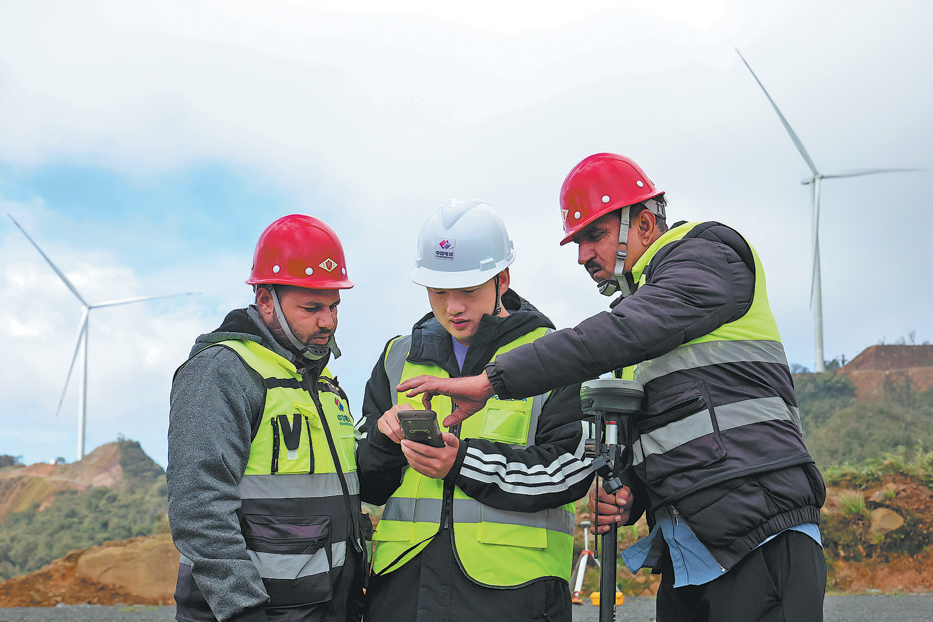
Trump's administration would likely see the growing ties between the Gulf Cooperation Council and China as a competitive challenge. In recent years, the GCC has expanded its economic and technological relationships with China, particularly in sectors such as 5G technology, artificial intelligence and critical infrastructure.
These partnerships reflect China's increasingly constructive role in the Middle East region, providing investment and technological advancements without imposing political conditions. For the GCC, China represents a valuable partner that contributes to economic diversification and regional development.
Gulf countries prioritize their relationships with China not only due to their independent foreign policies but also because they perceive a multipolar world as more balanced, rational and pragmatic. This view makes China an appealing partner that aligns with their vision of stable, diversified global partnerships.
However, Trump might push the GCC to limit these ties to safeguard US strategic interests and prevent Beijing from gaining influence in the vital energy corridor. Still, China's balanced approach, seen as mutually beneficial and constructive by many in the region, could make such US efforts more challenging.
The author is a Gulf studies coordinator at the Center for Middle Eastern Studies in Turkiye.