



APEC members can work together to boost energy security







Energy is the cornerstone of economic and social development. Energy supply security is crucial for achieving sustained economic growth and maintaining social stability. In recent years, increasing geopolitical conflicts and trade protectionism have disrupted the global fossil energy trade and implementation of renewable energy plans, creating energy security risks. However, with China leading the development, the clean energy transition trend has resulted in record high clean energy generation.
And the market volatility and shift toward clean energy have made ensuring national energy security a pressing need for all countries.
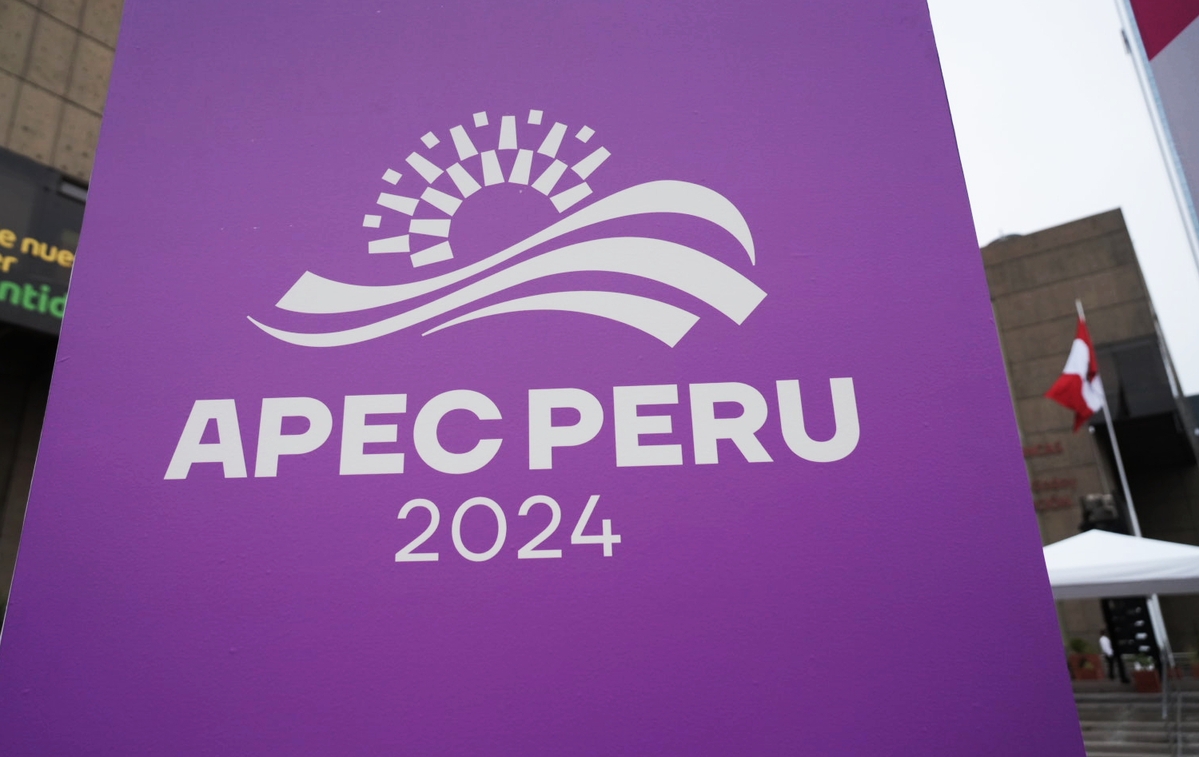
Asia-Pacific Economic Cooperation provides a platform for collaboration among Asia-Pacific economies to address various challenges. "Sustainable growth for resilient development, which seeks to promote energy transition, decarbonization of economic activities, and promotion of food security" is one of the three priorities of the ongoing APEC Leaders Meeting in Lima, Peru. APEC member economies will explore ways to deepen cooperation, in order to accelerate the transition to clean energy and ensure energy security.
Energy trade flows between APEC member economies are different in terms of resource endowment.
Russia, Australia, the United States and Canada are fossil fuel exporters, while China, Japan and the Republic of Korea are some of the world's most important fossil fuel importers. The global fossil fuel market has seen significant changes and has become increasingly volatile since the Russia-Ukraine conflict broke out in 2022. This has changed the energy supply-demand dynamics and trade structure, creating an energy crisis for some economies that depend on fossil fuel imports.
The 2024 APEC Leaders Meeting is a platform where the participating economies need to set aside their disputes and differences, and engage in open dialogue. To minimize energy security risks, countries should diversify their energy supply sources. And major energy-importing APEC members can reduce their dependency and enhance the resilience and stability of their energy supply chains by establishing stable, long-term trade relations with their fellow APEC members.
According to the United Nations Climate Action, accelerating the transition to clean energy can help strengthen energy security. By promoting renewable energy as an alternative to imported fossil fuels, the economies can increase their self-sufficiency in energy and advance their transition to clean energy.
Solar and wind power is becoming important alternative sources of energy. China, a global leader in wind and solar power, has contributed to more than 60 percent of global wind power equipment and 70 percent of global solar photovoltaic components.
APEC economies, including China, can deepen cooperation in the wind and solar energy sectors by facilitating trade and attracting more investments in the clean energy sector.
To facilitate trade, measures such as reducing tariffs, lifting non-tariff barriers, simplifying customs procedures, expanding market access and signing free trade agreements need to be seriously considered, given the urgency of climate change.
The APEC economies should also encourage cross-border investment, especially to develop wind and solar power generating facilities. They also need to establish green investment funds and financing platforms to promote renewable energy projects, reduce financing costs and attract more investment.
Given the varying solar and wind resource endowments between APEC economies, some of them need to deepen cooperation and boost development in other clean energy sectors including hydrogen generation. As the rotating chair of APEC in 2024, Peru prioritizes promoting the use of low-emission hydrogen and green hydrogen to foster development.
As a matter of fact, the country has made good use of its favorable geographical conditions to develop green hydrogen, and regards it as a key driver of export growth. Economies with limited solar and wind resources, such as Japan, too, have shown greater interest in hydrogen energy.
Besides, Peru has advocated for technological, trade and investment cooperation among APEC economies in the green hydrogen sector. By replacing fossil fuels with clean energy, the economies can diversify their energy supply sources, expand their foreign trade, advance their green transition, and ensure stable and sustainable energy supply.
As the energy structure becomes greener, the share of wind and solar power will continue to rise in the total energy mix. But considering the volatility of wind and solar power generation, maintaining a secure and stable power generation system is necessary. And it is important to quickly build new energy infrastructure in order to ensure energy security.
The economies should also boost cross-border investment cooperation in smart grid projects, including integrating members' resources to support grid construction and upgrading, to stabilize regional energy supply.
The market is big enough for all to function and facilitate the transition of all APEC economies to clean energy. The APEC Leaders Meeting is a golden opportunity for member economies to collaborate with each other to boost energy security and advance clean energy transition.
The author is a chair professor at the School of Management and dean of the China Institute for Studies in Energy Policy, Xiamen University.
The views don't necessarily reflect those of China Daily.





