China-Africa ties flourish across diverse forums







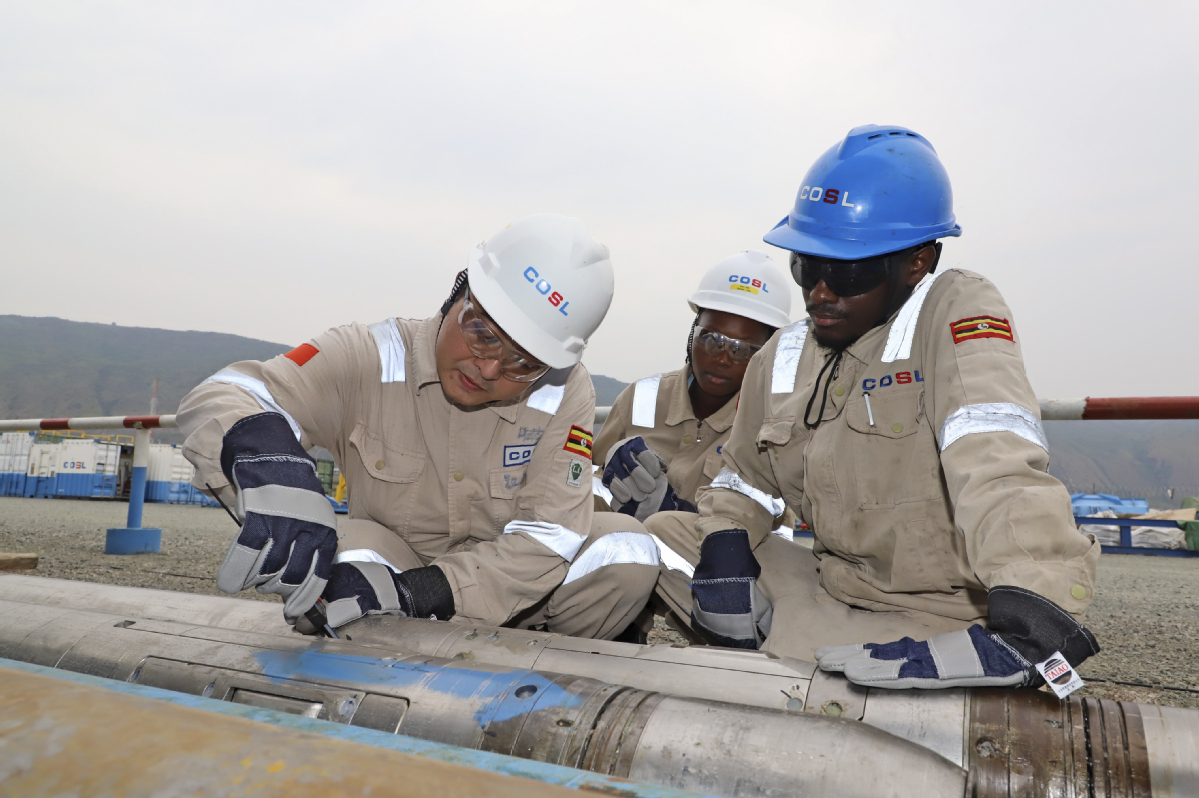
China's engagement with African countries has transitioned from an aid-focused approach to a more collaborative partnership aimed at achieving common development, with their partnerships growing from strength to strength under the Forum on China-Africa Cooperation framework. The FOCAC Summit in Beijing last month elevated China-Africa relations to an all-weather cooperative partnership based on shared political trust, broad collaboration across multiple sectors, and mutual support.
Sino-African cooperation is shaped by a shared past against colonialism and hegemony, and is driven by a shared future of humankind. In the current geopolitical climate characterized by rising tensions, poverty and backward development, mostly affecting the Global South and especially Africa as a continent with the largest number of developing countries, China-Africa engagement under the FOCAC and BRICS frameworks hold great hope for the development of not only China and Africa but also the rest of the world, the Global South in particular.
Global development and prosperity is directly linked to the Global South's development and prosperity, and China-Africa cooperation gives impetus to Africa's aspirations as stated in the African Union Agenda 2063 and its global commitment to end poverty and realize the goals of the United Nations 2030 Agenda for Sustainable Development.
The decisions made at the FOCAC Summit in Beijing can help African countries meet their development goals provided other external forces do not interfere in their internal affairs. China-Africa relations, unlike the colonial ones, are not extractive and have great potential for improvement. The commitments made at the Beijing FOCAC Summit on infrastructure development seek to build new or improve existing infrastructure, enabling Africa to more conveniently interact with the world and seize more opportunities to boost trade and development.
China, as a key partner in Africa's development, has been collaborating with the African countries, the African Union, its associated bodies, and regional organizations to implement Africa's infrastructure development plans and help expedite African countries' economic integration. China also seeks to align those plans with the Belt and Road Initiative, in order to improve logistics connectivity and expand trade between China, Africa and the rest of the world.
Unlike the extractive colonial infrastructure development policy in Africa, Belt and Road projects facilitate the free movement of goods and people, and thus boost economic growth. The FOCAC Summit also vowed to promote industrialization in Africa, which will not only create new jobs but also reduce African countries' trade deficits.
Africa has the world's largest deposits of cobalt, diamond, platinum and uranium, among other natural resources, which form the backbone of many advanced technologies and are essential to the growth of many economies. The continent also contains 65 percent of the world's arable land, supplying food to many countries, and has 10 percent of the world's renewable freshwater sources.
In many African countries, natural resources constitute between 30 percent and 50 percent of their total wealth. These resources, if used based on a win-win approach, can benefit Africa and the rest of the world. But if the resources are exploited by neglecting Africa's development, it will increase internal conflicts on the continent, and disrupt global trade by significantly impacting the economies that are reliant on Africa's resources.
In order to ensure Africa's rich natural resources benefit the people of Africa by creating new jobs and attracting more foreign investments, African governments have to promote peace and development, eradicate corruption and block the illicit flow of capital. And it is to address these challenges that President Xi Jinping proposed the Global Development Initiative, the Global Security Initiative and the Global Civilization Initiative, which are aimed at helping countries better safeguard their national security by pursuing sustainable development. They are also aimed at ensuring that countries respect the diversity of civilizations and the common values of humanity.
By having the highest regard for the diversity of civilizations, pursuit of common development, promotion of peace and stability, and upholding of multilateralism, China seeks to create a framework under which different countries can collaborate, by respecting each other's sovereignty, in order to realize common goals. This approach underscores China's commitment to building a multipolar world where development is inclusive and sustainable.
The BRICS member states account for more than 46 percent of the world's population and 35 percent of the global economic output. As such, they have the collective strength to develop a fairer world order and promote global peace in order to ensure BRICS members, in fact, all the countries of the Global South, can pursue sustainable development and lift their people out of poverty.
The expansion of BRICS holds great potential for the Global South, as it represents a push for reforming the existing global governance system. It reflects the grouping's goal of building a world where countries with different political systems can coexist harmoniously. BRICS' expansion represents the yearning of the member countries, indeed the whole of the Global South, for a multipolar world devoid of the hegemony.
The expansion of BRICS, therefore, is not just about increasing the number of members; it is also about building a platform that values diversity and peace, and prioritizes cooperation. Its expansion means BRICS now has members from diverse regions and a larger geographical area, boasts greater economic heft and higher trade potential, making it an even more powerful and influential grouping driving global growth and endeavoring to build a fairer and more just world.
The author is director-general of the National School of Administration in South Africa. The views don't necessarily reflect those of China Daily.
If you have a specific expertise, or would like to share your thought about our stories, then send us your writings at opinion@chinadaily.com.cn, and comment@chinadaily.com.cn.