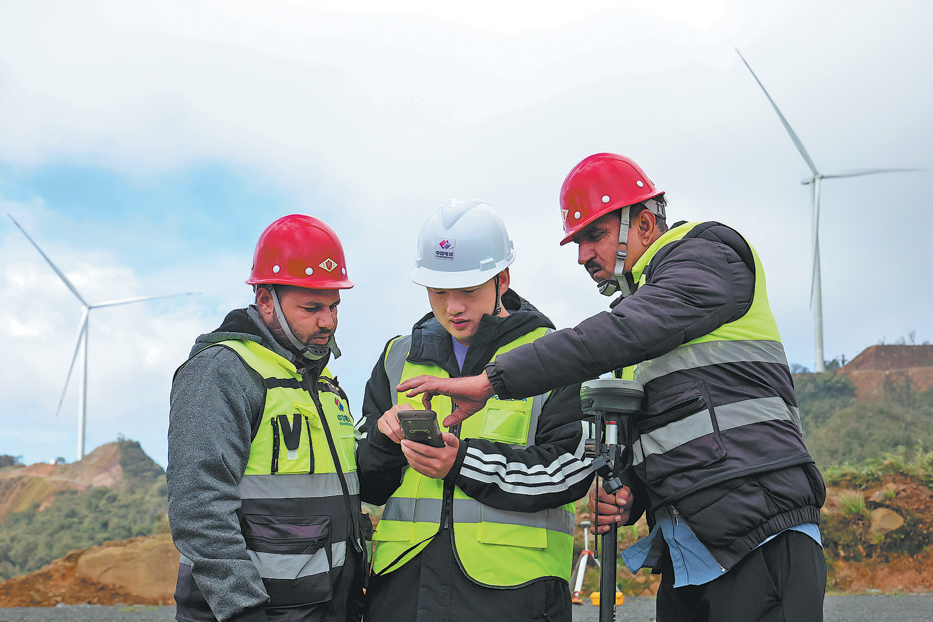
China extends support for Pakistan's green energy leap








In recent years, the global environmental crisis has compelled nations to rethink their energy strategies, focusing more on sustainability and less on fossil fuels. At the forefront of this green transition is China, whose remarkable transformation into a renewable energy powerhouse is not just reshaping its own energy landscape, but also profoundly influencing other developing nations.
Among the beneficiaries of China's green expertise is Pakistan, a nation eagerly embracing a sustainable future through its collaboration with China under the China-Pakistan Economic Corridor, or CPEC, framework.
China's journey toward becoming a leader in renewable energy is a testament to its strategic policy frameworks and significant investment in green technology. Over the past decade, China has shifted its focus to becoming a global leader in renewable energy innovations. This transformation has been driven by the dual need to combat severe air pollution and to transition to a more sustainable economic model. China is now the world's largest producer of solar panels, wind turbines and batteries — crucial components for the global renewable energy sector.
The magnitude of China's commitment to green transition can be seen in its ambitious renewable energy targets. By 2030, it aims to increase its consumption of nonfossil fuel to 25 percent from less than 20 percent at present, according to the National Development and Reform Commission. Such goals can not only reduce the cost of solar and wind energy globally, but also position China as the leader in exporting such technology and expertise required for green transition around the world.
The CPEC, as a cornerstone of the Belt and Road Initiative, has been a conduit for transferring China's green technology and expertise to Pakistan. While the CPEC initially focused on alleviating Pakistan's chronic energy shortages through the development of different means, the focus has significantly shifted toward renewable energy projects in recent years. This is a response to global criticism regarding the environmental impact of these projects and an alignment with Pakistan's own renewable energy ambitions.
Among the noteworthy projects under the CPEC framework is the Quaid-e-Azam Solar Park in Punjab province, one of the largest solar farms in the world, which epitomizes the shift toward harnessing solar energy.
In addition, wind energy projects in Sindh province and hydroelectric projects in the country's north are notable efforts toward diversifying Pakistan's energy matrix. These projects not only aim to reduce dependence on imported fuels, they also support Pakistan's National Electric Power Regulatory Authority in its vision to increase the share of renewables in the energy mix to 30 percent by 2030.
The economic benefits of these green projects are manifold. First, they promise to address the perennial issue of power shortages in Pakistan, thereby improving industrial productivity and economic stability. Second, the shift toward renewable energy is expected to reduce the country's carbon footprint, aligning with global climate commitments and potentially unlocking international climate finance.
Strategically, these projects deepen the Sino-Pakistani partnership, providing Pakistan with technological aid and helping it build local capacity in renewable energy sectors. This transfer of technology and expertise is crucial for Pakistan's long-term economic and environmental sustainability. China's emergence as a leader in green transition has implications far beyond its borders. By proactively pursuing renewable energy projects and exporting technologies worldwide, China is setting new standards for global energy production and consumption. It also plays a critical role in shaping the global policy landscape on climate change, advocating developing nations in international forums.
Despite these advancements, the road ahead is not without challenges. For Pakistan, integrating renewable energy into the national grid, managing intermittency and funding these ambitious projects are significant hurdles. For China, balancing its domestic environmental ambitions with its global economic interests remains a delicate task.
The collaboration under CPEC presents a unique opportunity for Pakistan to transform its energy sector and catalyze broader socioeconomic benefits. As both nations continue to navigate the complexities of their partnership, the focus on sustainability could serve as a model for other countries in the Global South.
The green energy initiatives under the CPEC framework are more than just infrastructure projects — they are a beacon of sustainable development and a testament to the robust partnership between Pakistan and China.
As the world moves toward a greener future, the collaboration between these two nations offers valuable lessons on leveraging international cooperation to address the pressing challenges of our time.
The success of these projects will not only redefine Pakistan's energy landscape, but also solidify China's status as a leader in the global green transition, charting a sustainable path forward for other developing nations.
This evolving partnership also underscores the pivotal role of international collaboration in achieving large-scale environmental and economic transformation.
The author is deputy editor-in-chief at Pakistan Economic Net and Daily Ittehad Media Group.