Peace in Mideast will be a victory for all







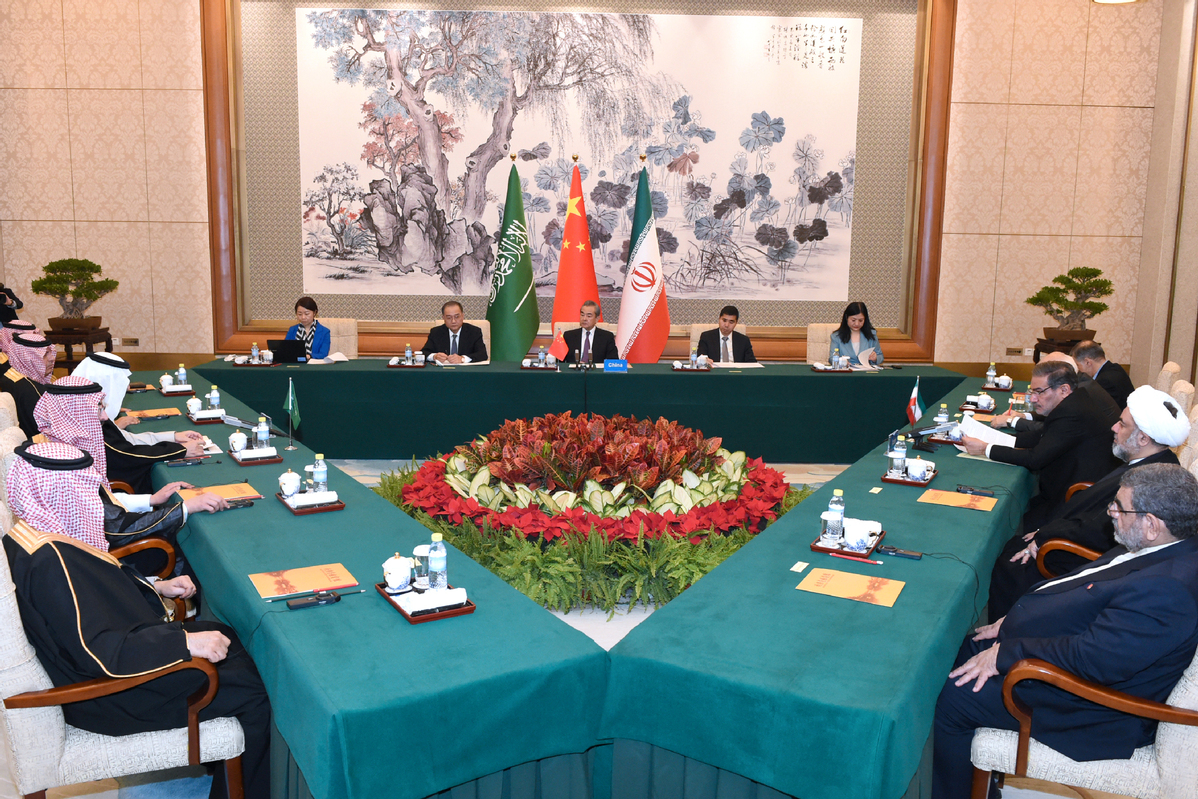
China, Saudi Arabia and Iran issued a joint statement on March 10 in Beijing stating that Saudi Arabia and Iran had agreed to resume diplomatic relations and reopen their embassies and missions within two months.
Some Western media, with a zero-sum mentality, have interpreted the China-mediated talks as a victory for China and a loss for the United States. As a matter of fact, the talks represent new strength, new thinking and new approaches in global politics outside the box of "power politics".
It's not the first time that Saudi Arabia and Iran have restored diplomatic ties. However, it's the first time in Chinese diplomacy that the resumption of diplomatic relations has been mediated between two medium-sized powers. This might be a small step in Iranian-Saudi relations, but definitely a big step in China's diplomacy in the Middle East.
Since ancient times, the world's major countries have engaged in Middle Eastern affairs on the basis of alliance and divided governance and through military intervention, winding up with an endless flow of disastrous aftermaths.
The Middle East strategies of the United Kingdom, France, the former Soviet Union and the US share many similarities in ups and downs. Looking back, foreign intervention is one of the root causes of the tragedy of the Middle East. Learning from a bitter lesson, the Middle East should not repeat the tragedy of the 20th century. China and Middle Eastern countries are exploring new models, and the China-mediated talks represent the start of these new explorations.
Iran is situated at the "eye of the storm" of almost all conflicts in the Middle East. It is the main force of one of the opposing sides in the four major conflicts in the region — conflicts between Israel and Islamic states, between Sunni and Shiite Muslims, between reform-minded people and conservatives, and between pro-US and anti-US forces.
Currently, Iran is facing grinding sanctions and growing isolation, US-Iran tensions are escalating, the Iran nuclear issue is back to the starting point, and Iran has locked horns with Saudi Arabia and Israel on regional hot button issues. These issues are deeply intertwined with each other, and a slight change in one part might affect the whole picture and exert an overall impact on the Middle East.
Therefore, there will be no peace in the Middle East without Iran on board. The international community should let Iran get back to the center stage of Middle Eastern politics at an early date, rather than condescendingly isolating and imposing sanctions on the country.
"Instead of looking for proxies, China promotes peace talks in the Middle East; instead of seeking any sphere of influence, China calls on all nations in the region to take part in the Belt and Road Initiative; and instead of attempting to fill any 'vacuum,' China aspires to build a network of mutually beneficial partnerships," President Xi Jinping said in a speech at the Arab League headquarters in Cairo in 2016.
China maintains balanced diplomacy in the Middle East and friendly relations with all countries in the region, treats and respects every country on an equal footing, and never uses such terms as "failed state", "rogue state" or "authoritarian state".
President Xi visited Saudi Arabia and Iran during his first visit to the Middle East in 2016. After visiting Saudi Arabia in December of last year, Xi immediately invited Iranian President Ebrahim Raisi to make a state visit to China, which Raisi did in February.
Treating Iran and Saudi Arabia on an equal footing is the key to the success of the recent talks with China, and even to peace in the Middle East in the future. For a long time, the US, European countries and Israel have been using sanctions against, isolation of and deterrence against Iran as a major means of advancing peace in the Middle East.
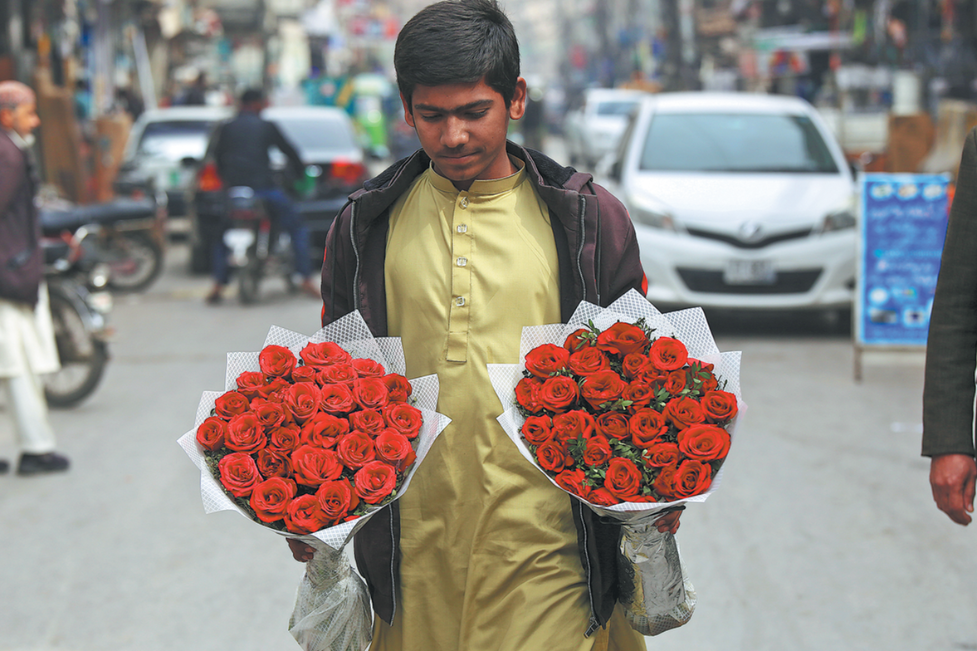
An array of diplomatic breakthroughs have occurred in the once conflict-plagued region since 2021, dubbed the "Diplomatic Spring". Israel signed the Abraham Accords with four Arab states, Qatari-Saudi relations were restored, Turkiye and Israel agreed to restore full diplomatic relations, and Arab states are ready to reengage with Syria. And here comes another flower for the spring — resumption of diplomatic relations between Saudi Arabia and Iran.
On March 10, the new historical trend of the Middle East converged with the new thinking of Chinese diplomacy in Beijing.
"The Middle East is for the people of the Middle East, and its fate should be in the hands of the people of the Middle East," said Wang Yi, a member of the Political Bureau of the Communist Party of China Central Committee and director of the Office of the Commission for Foreign Affairs of the CPC Central Committee.
The decision by Iran and Saudi Arabia to resume diplomatic ties highlights that both countries want to grasp their future with their own hands. The Beijing talks represent a new look in Middle Eastern politics, a new signal on major country politics and even a new direction for global politics.
This is not a victory for China and a loss for the US, but a win-win outcome. It doesn't matter whether it is the American way or the Chinese way, as long as it promotes peace in the Middle East.
The author is director of the Institute of Middle East Studies at the China Institutes of Contemporary International Relations. The views do not necessarily reflect those of China Daily.