China's optimized COVID-19 strategy is a planned, science-based approach







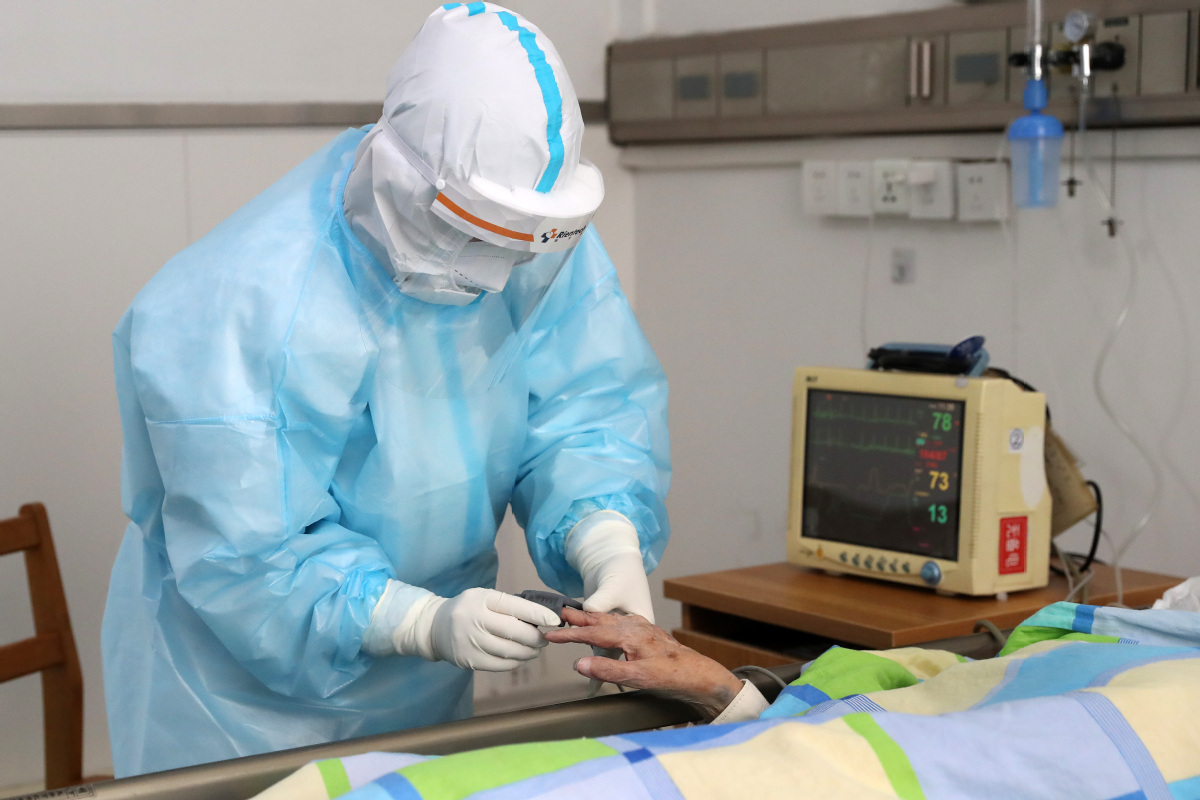
China optimized its COVID-19 strategy in a planned, science-based approach to cope with the changing situation of the pandemic, which is characterized by weakened pathogenicity.
The shift of the strategy is to manage COVID-19 with measures designed for combating Class B infectious diseases, instead of Class A ones, starting from Jan. 8, 2023.
Meanwhile, the Chinese term for COVID-19 was changed from "novel coronavirus pneumonia" to "novel coronavirus infection" -- as the prevalent omicron strains are seen to cause symptoms confined mainly to the upper respiratory tract.
Three years on, China has effectively coped with over 100 COVID-19 epidemic outbreaks and managed to keep its incidence rate, severe illness rate and mortality rate at the world's lowest level, saving numerous lives.
The average life expectancy of the Chinese population kept rising amid the pandemic, from 77.93 years in 2020 to 78.2 years in 2021.
This winter, multiple favorable changes are taking place. Weakened pathogenicity, a high vaccination rate and the accumulation of experience, have allowed China's epidemic prevention and control policy to enter a new stage.
The country's epidemic policies are thus adjusted dynamically, proactively and on a scientific basis, while displaying a consistent effort to effectively balance epidemic prevention and control with economic and social development needs.
"The current focus of the response has been shifted from infection prevention to medical treatment," said Liang Wannian, head of the COVID-19 response expert panel under the National Health Commission (NHC), adding that the utmost efforts will be made to prevent severe cases and fatalities.
Instead of adopting a hasty, makeshift response, China has issued a series of guidelines to prepare the country's health care system, including increasing the supply of medical services, promoting a tiered diagnosis and treatment system, and expanding internet-based medical services.
By Dec. 15, more than 15,000 fever clinics had been set up in grade II hospitals and above, while more than 35,000 fever clinics or consulting rooms were available in primary-level medical and health institutions.
The NHC has set up a daily reviewing system as the basis for overall decisions concerning the preparation and use of medical resources across the country.
Twenty adjusted measures were announced as early as November, loosening quarantine requirements, close contacts management, and criteria for COVID risk area categorization.
The new guidelines called for efforts to reinforce medical resources, including adding more hospital beds and ICU beds, in order to be better prepared for a potential increase in patients, and to speed up the provision of booster vaccinations -- especially for the elderly.
On Dec, 7, China released a circular on further optimizing its COVID-19 response, announcing 10 new prevention and control measures.
These measures require local governments to rectify oversimplified or one-size-fits-all approaches and excessive policy steps, while the people's basic needs to purchase medication are emphasized, demanding that pharmacies operate normally and prohibiting willful closures, according to the circular.
Also, vaccination efforts have been ramped up among the elderly, with a focus on improving the vaccination rate among people aged between 60 and 79, while the vaccination among people aged 80 and older are being accelerated.
The Chinese government has updated a work plan to ramp up vaccination among its elderly population. Local governments across the country are asked to set up "express channels" or arrange vaccination vehicles for the elderly, and provide them with door-to-door services when needed, in order to facilitate the inoculation.
China has started administering a fourth COVID-19 vaccine dose, including an innovative inhalable version. As of Dec. 23, more than 3.46 billion COVID-19 vaccine doses had been administered on the Chinese mainland -- with over 90 percent of the population fully vaccinated.