



Better protect rural areas amid infections







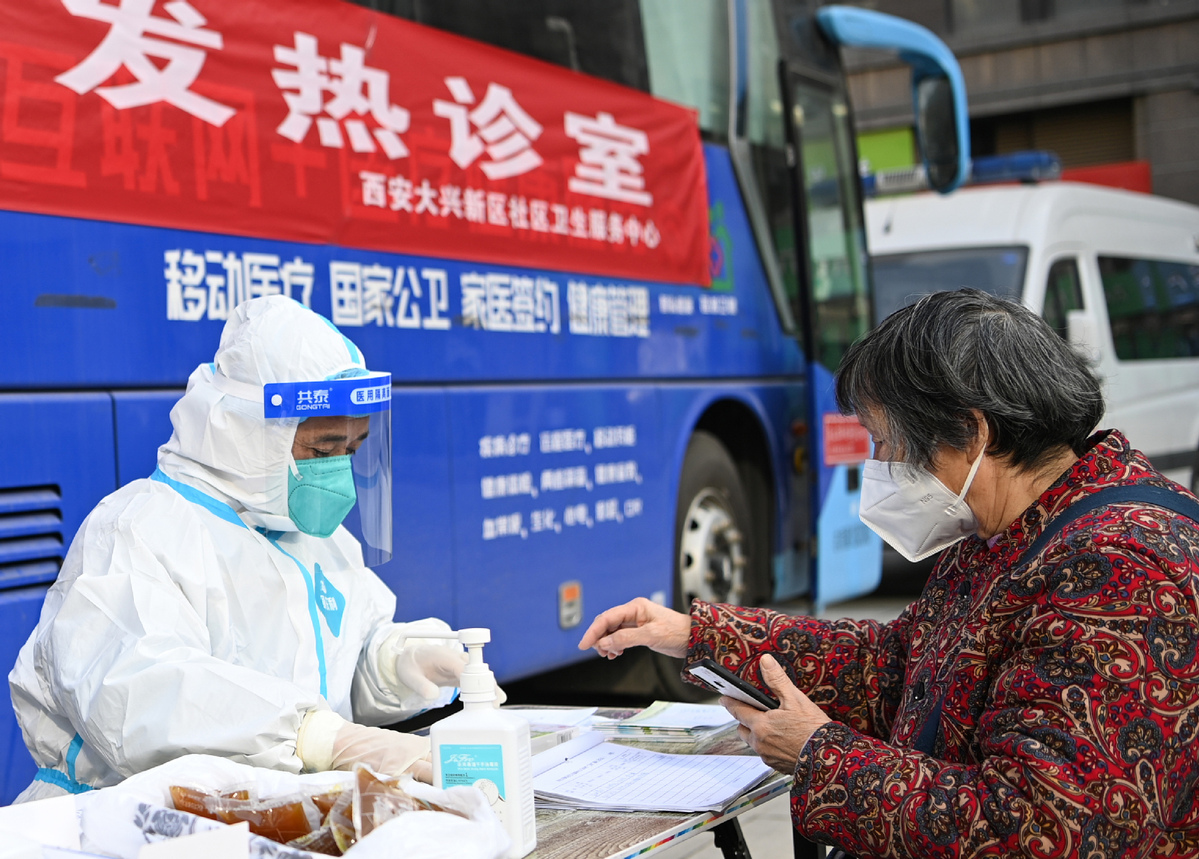
The sudden surge in COVID-19 infections in some major Chinese cities in recent days has led to overcrowding in hospitals. And the rest of the country could face similar problems soon.
Amid the surging infections, it is especially difficult for health authorities in rural areas, which have limited medical resources, to cut the virus's transmission chains or contain its spread. To better protect vulnerable groups such as the elderly and health workers, including doctors and nurses, the authorities need to stock enough drugs and medical equipment, and build a tiered medical service system in advance.
Rural areas are particularly vulnerable to risks, given their disadvantage in using new technologies and optimizing the functions of the marketplace. In some big cities, for instance, residents have been stockpiling febrifuges and antigen testing kits, leading to shortage of medicines and medical kits in both offline and online pharmacies.
Since online drug stores are not confined to a specific place and can be accessed from anywhere, some urban consumers place orders from remote counties and townships — triggering drug shortage and creating inconvenience for some county and rural residents, which will be especially dangerous for local senior citizens. This example illustrates the vulnerability of rural areas and rural residents during a pandemic.
The shortage of competent medical staff is another challenge. Obviously, medical services in townships and villages are inadequate compared with urban areas, which can spark tensions between those who need medicines and/or medical aid and health workers during an outbreak. Medical workers, too, can be highly vulnerable to the virus if they lack personal protection equipment (PPE). They can even fall seriously ill.
Worse, the travel rush during Spring Festival in January might increase their vulnerability and set off another massive wave of infections.
In 2022 a total of 1.06 billion passenger trips were made in China during the 40-day Spring Festival travel rush. Most of those trips were made by migrant workers returning home from urban areas in the coastal regions and traveling back to work after the Chinese Lunar New Year Spring. It is likely that more trips will be made during this year's Spring Festival now that the government has eased the pandemic containment measures.
Large-scale flows of the population could increase the infection rate, even lead to more mutations of the virus. Some experts have already raised concerns about it. And since young people are more likely to be asymptomatic, given their better health condition, they could unwittingly become carriers of the virus and infect the elderly.
Although we cannot imagine the precise scale and severity of infections 30 days from now, one thing is for sure, it will be very difficult to control the spread of the virus, especially in rural areas, so more appropriate measures should be taken.
The authorities therefore need to strengthen medical preparedness in rural areas. Apart from regular preparation like stockpiling PPE and medicines, and issuing and medical guidelines, the government should do two more things.
To begin with, it should make available to the people more over the counter drugs such as medicines to treat fever and common cough, and painkillers. For most of the COVID-19 patients one or two Ibuprofen pills may be enough to ease the symptoms such as fever and muscle ache.
That prescription drugs come in packs of a dozen or more pills partly explains why febrifuges were sold out in some pharmacies. As a policy response, drug regulators in some cities allowed the sale of febrifuges over the counter with precautious methods of drug safety, successfully easing the demand pressure.
The other suggestion is to strengthen telemedicine services through smartphone apps. Since tiered medical services cannot be established within a short time, online diagnosis and treatment, which can supplement such offline medical services, should be improved.
Statistics show that most of the patients infected by the Omicron variant didn't need to see a doctor in person, because their symptoms diminished after they accessed telemedicine platforms and followed online doctors' prognosis. In fact, Beijing's experience shows that telemedicine can do a better job than a clinic when comes to treating coronavirus patients, and save precious medical resources for the elderly. So in the future the health authorities need to further popularize telemedicine and teach rural residents how to access telemedicine.
The author is a professor conducting social governance research at Chinese Academy of Governance. The views don't necessarily represent those of China Daily.
If you have a specific expertise, or would like to share your thought about our stories, then send us your writings at opinion@chinadaily.com.cn, and comment@chinadaily.com.cn.





