



Shift to clean energy is conducive to high-quality growth







After a decade of intensive efforts to better control air pollution and facilitate the economy's shift from fossil fuels to clean energy, the city of Beijing met the national air quality standard for the first time last year. The annual average level of fine particulate matter, or PM2.5, fell to 33 micrograms per cubic meter — below the nationally set level of 35 micrograms/cu m and about half of that a decade ago. As a result, in 2021 Beijing residents enjoyed four more months of blue skies than 2013.
That many other parts of China have also witnessed such remarkable improvement in air quality over the past decade shows China's sustained efforts to transition its energy structure to clean energy and pursue higher-quality growth have been bearing fruit.
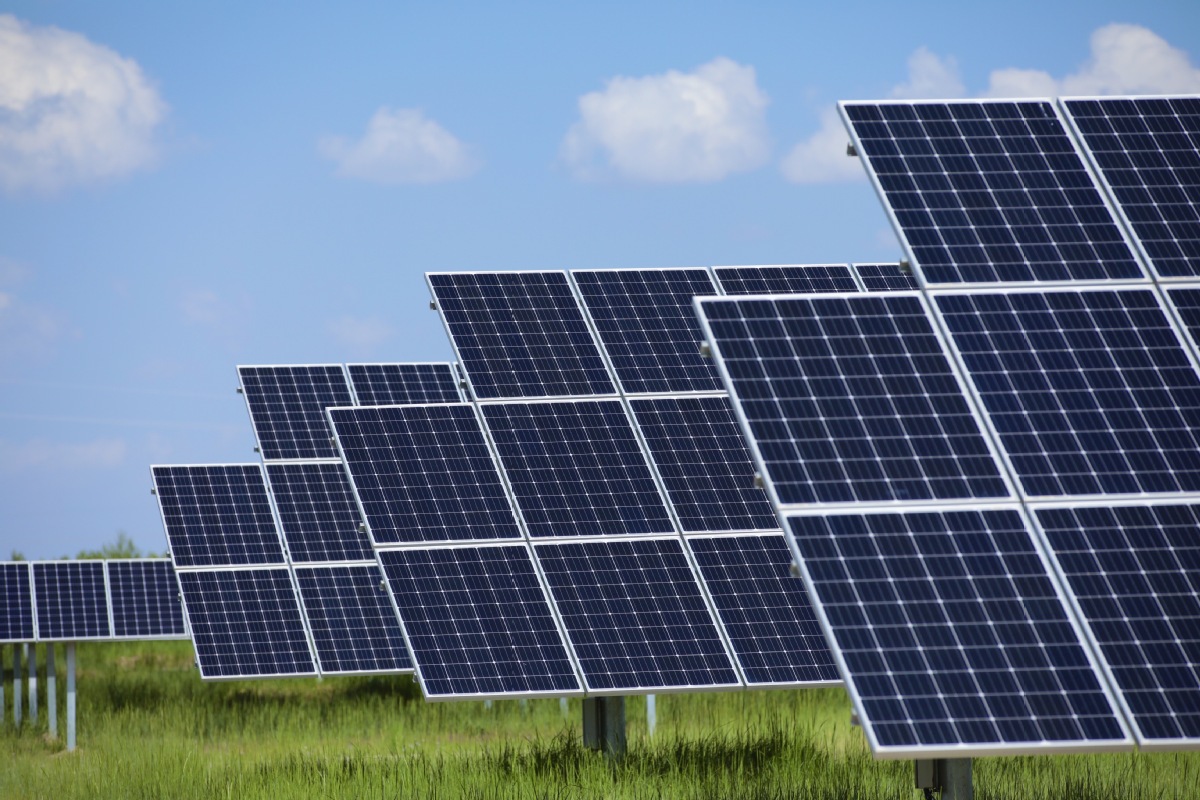
China has scaled up its clean energy sector, including solar and wind power, to replace the use of coal and oil, creating millions of jobs in the green energy sector in the process.
Starting with the promulgation of the Renewable Energy Law in 2005, which institutionalized the policies to support renewable energy development, including a feed-in tariff that increased the tariff for renewable energy and led to the rapid growth of the wind and solar power industries, China has taken a raft of measures to facilitate the transition to clean energy.
In particular, the 11th Five-Year Plan (2006-10) period saw a strong push toward greater energy efficiency in industry, buildings and transportation.
These efforts gained greater urgency a decade ago, as the government sought to tackle severe air pollution across the country through the Air Pollution Prevention and Control Action Plan of 2013, which vowed to reduce the share of coal in the total energy mix to less than 65 percent by 2017 and drastically reduce the use of coal in provinces and regions with high levels of air pollution.
The Action Plan also strengthened air pollution control and improved law enforcement in key polluting sectors such as power generation, heavy industry and automobiles. High energy-intensive and high-emissions industries were especially targeted, with the government seeking to close down highly polluting enterprises and requiring other enterprises to improve their energy efficiency and strictly implement pollution control norms.
In rural areas, the government supported a program to replace coal with gas and electricity for heating in households and small industries. It has also helped install solar photovoltaic panels for generating electricity in villages as part of the poverty alleviation program.
As a result of these efforts, China's solar power — as well as wind power — industry has become the largest in the world and its energy structure has begun shifting toward clean energy. For example, the share of coal in primary energy consumption fell from 68.5 percent in 2012 to 56.0 percent in 2021, and coal is likely to make up less than half of the total energy consumption by the middle of this decade.
On the other hand, the share of non-fossil energy — wind, solar, as well as hydro, biomass and nuclear power — in primary energy consumption increased from 9.7 percent in 2012 to 16.6 percent in 2021, while the share of wind and solar power in the energy mix increased from just 2.1 percent to 11.7 percent in 2021.
In fact, wind and solar power are now competitive on a cost-per-kilowatt-hour basis with coal-fired power, and energy storage is set to grow rapidly during the 14th Five-Year Plan (2021-25) period. China's progress in clean energy has laid a solid foundation for pursuing the climate goals of peaking carbon emissions before 2030 and achieving carbon neutrality before 2060.
This transition to clean energy has also brought economic benefits by creating new industries and jobs. China is the largest investor in low-carbon technologies-$266 billion in 2021 — mainly in renewables and electric vehicles, according to Bloomberg.
The International Energy Agency's recent World Energy Employment report estimated that while about 3.4 million people are employed in China's coal mining sector and 740,000 in the coal-fired power industry, about 1.7 million are working in the solar photovoltaic panel industry, some 500,000 in the wind power industry, 276,000 in electric vehicle enterprises, and 3.6 million in sectors dedicated to improving energy efficiency.
Besides, apart from greening the energy supply chain, efforts are also being made to improve the energy consumption structure, including by de-carbonizing industries. The Implementation Plan for Pollution and Carbon Reduction Coordinated Effectiveness issued in June this year, for example, includes targets such as increasing the share of electric arc furnace-produced steel to 15 percent by 2025 and 20 percent by 2030(which will reduce coal use in this sector), increasing renewable energy in aluminum production (primarily powered by coal power at present) to 30 percent by 2030, and increasing new energy vehicles' share in total sales in provinces and regions with high levels of air pollution to 50 percent by 2030.
Yet more action to boost the transition to clean energy is needed in order to meet the Paris Agreement goal of limiting global warming to below 2 degrees Celsius — preferably below 1.5 C — and to realize China's 2030 and 2060 climate-action targets. China's decade-long experience of transitioning to clean energy shows that doing so can benefit economic growth, improve people's livelihoods and better protect the environment.
The views don't necessarily reflect those of China Daily.
The author is China climate and energy director, Natural Resources Defense Council.
If you have a specific expertise, or would like to share your thought about our stories, then send us your writings at opinion@chinadaily.com.cn, and comment@chinadaily.com.cn.





