Biden's Asia-Pacific policy is another attempt at geopolitical powerplay







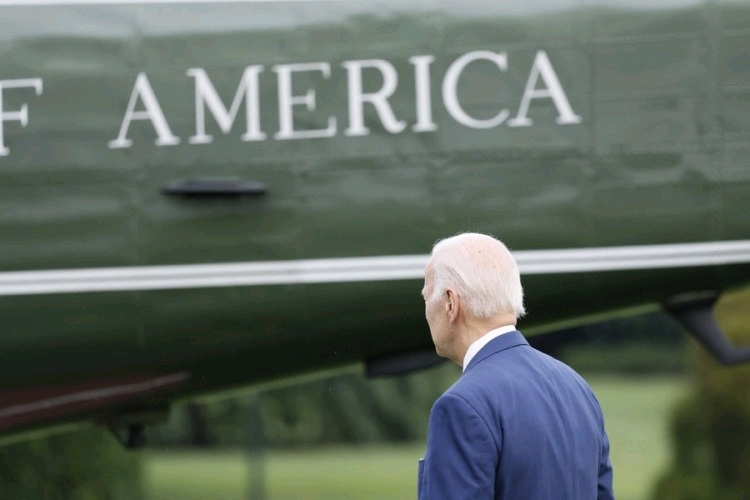
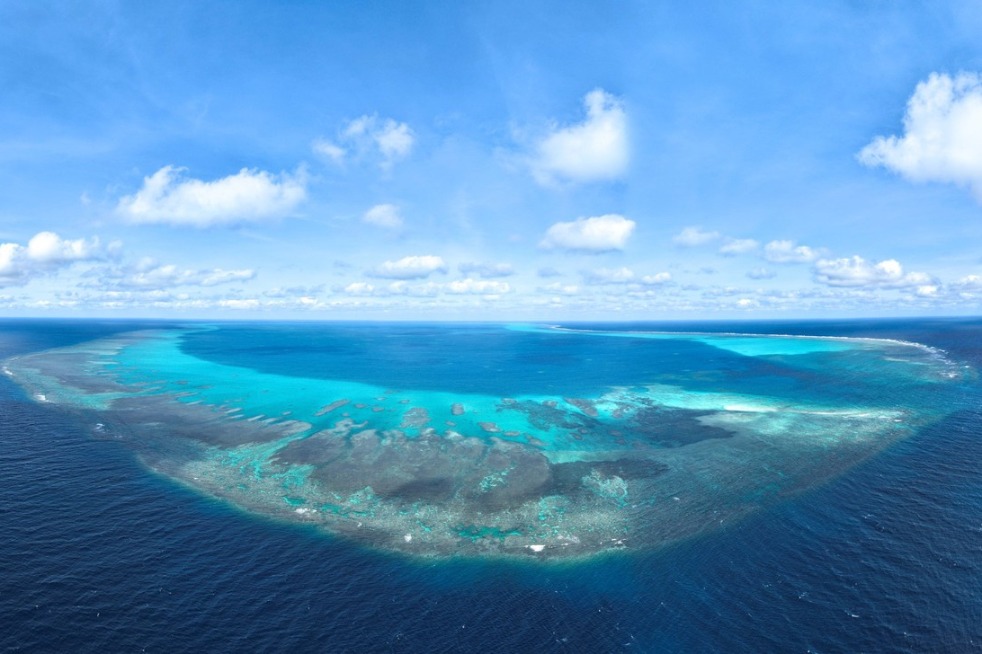
Since assuming office, the Biden administration has not offered anything constructive for global peace. Building Cold War-like alliances, employing bellicose rhetoric against China and attempting to undermine state sovereignty have been the hallmarks of the Biden doctrine in the post-Donald Trump era. The Asia-Pacific has not been immune to such geopolitical powerplay with the latest gambit being Vice-President Kamala Harris's sharing her vision for the Pacific islands at the Pacific Island Forum. This new Pacific push is less about promoting joint visions for peace and more of an attempt to undercut China's influence in the region. This constitutes another foreign policy blunder.
The reasons are obvious. First, the announcement was made concomitant to the Pacific Island Forum in Suva, Fiji, where leaders of regional states gathered to discuss issues such as pandemic relief, emission cuts and relations with regional powers such as Australia. The Pacific project is also supposed to focus on issues of common interest for the Pacific island countries but quickly witnessed the public articulation and implementation of American assurances with the establishment of embassies in Kiribati and Tonga. This raises a fundamental question - has the United States been practicing historical diplomatic lethargy on the Pacific islands and what explains this sudden shift in priorities, outlook and foreign policy.
Measures such as appointing a special presidential envoy to the Pacific Islands Forum, tripling the amount of money for economic development and ocean resilience to $60 million and returning Peace Corp volunteers to countries such as Fiji, Samoa and Vanuatu can be considered as cosmetic without sincere dedication to the prosperity of the region. Noteworthy however, is that China has maintained sound, apolitical cooperation with the PIF in the absence of geopolitical considerations or doctrines. Hence, using the Pacific island countries as pawns for a wider global agenda of containment is part of American policy making and the timing of Kamala Harris's announcements become questionable. The prerequisites for strategic cooperation are openness and inclusivity in the absence of zero-sum frameworks and given that Pacific island countries adhere to principles of neutrality as part of their foreign policies, bipolarity will not gain much traction.
During her address at the Pacific Islands Forum for example, Harris spoke about the need to stand united and acknowledged that Pacific island countries did not receive the attention that they deserved. Furthermore, the United States would adopt course correction and engage meaningfully with the PICs despite member states such as Kiribati withdrawing from the forum and internal schisms emerging over the candidacy for PIF's secretary general. Yet despite internal tensions, Harris ignores how each Pacific island state remained fiercely independent on the international front in the form of signing bilateral agreements with China such as the security agreement framework between Beijing and the Solomon Islands. On multilateralism, the United States has also lagged behind in the region as China and the PICs have historic precedents to capitalize on such as signing the Action Plan of China-Pacific Islands Countries Economic Development and Cooperation Pact back in 2006. These pacts have also come in the absence of militarization unlike the United States, which has sought to militarize the Asia-Pacific, the Taiwan Straits and attempting to operationalize nuclear trilateral security pacts such as AUKUS.
Hence by negating the significance of multilateral diplomacy and denying its role in undermining it, the United States cannot champion the cause of Asian Pacific unity. During the meeting between Foreign Minister Wang Yi and Secretary of State Antony Blinken after the G20 Foreign Ministers' meeting in Indonesia, constructive talks on dealing with Sinophobia and upholding principles enshrined in joint communiques were discussed, relayed and encouraged. This also involves eschewing Cold War mentalities, camp politics and expanding American influence to counter other sovereign states, as such policies are an anathema to global peace. Yet by maneuvering into the Asia-Pacific, the United States is once again aiming to construct joint fronts against China, which does not bode well for peace or global stability.
Claims that nations should be free to conduct their affairs in the absence of coercion or aggression belies the reality of America's policy priorities. With a history of exerting pressure on other countries to mold their foreign policies on American prerogatives, the duplicity of Kamala Harris's claims becomes apparent. Calls for unity must follow a concerted attempt by the United States to address some of the most pressing issues that PICs confront such as widespread poverty, corruption, the pernicious effects of the Ukraine crisis and the pandemic.
Hence, this latest Asia-Pacific maneuver by the United States is less about joint visions for prosperity for Pacific island countries and more about securing political ambitions. That is not a panacea for peace.
Hamzah Rifaat Hussain, a former visiting fellow at the Stimson Center in Washington and former assistant researcher at the Islamabad Policy Research Institute, is a TV anchor at Indus News in Pakistan.
The opinions expressed here are those of the writer and do not necessarily represent the views of China Daily and China Daily website.
If you have a specific expertise, or would like to share your thought about our stories, then send us your writings at opinion@chinadaily.com.cn, and comment@chinadaily.com.cn.