Conflict a wake-up call for energy security








Even before the Russia-Ukraine conflict, the COVID-19 pandemic had brought the world economy into recession, with global oil demand declining about 8 million barrels per day in 2020 and 2021.
OPEC+-a group of nations allied with the Organization of the Petroleum Exporting Countries-agreed to cut output by 10 million barrels per day from May 2020 to April 2022. This led crude prices to rise to around $75 per barrel in July last year, which prompted the oil producer group to raise output again at the end of last year.
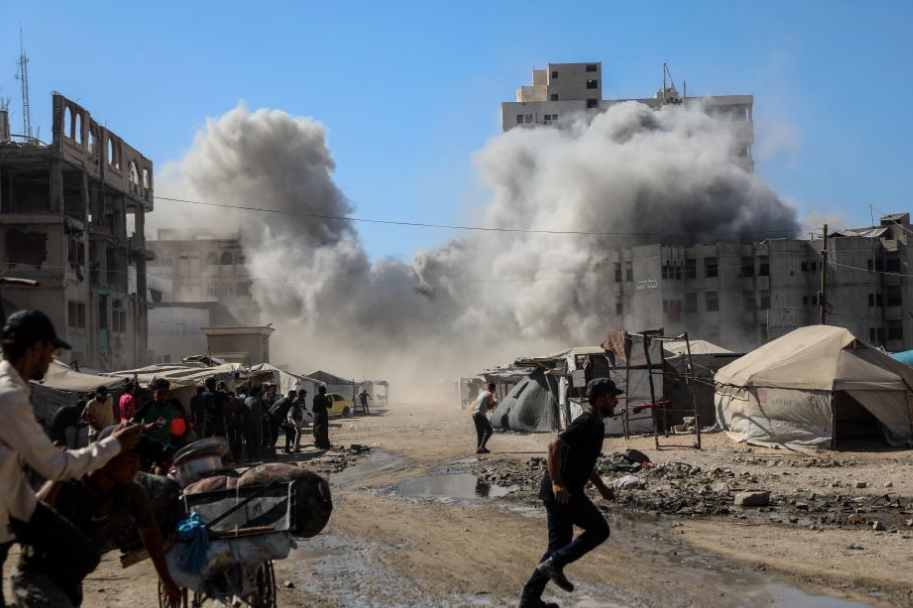
Since Russia launched its "special military operation" in Ukraine on Feb 24, the fear of rising oil prices has escalated globally, following sanctions by the United States and its allies.
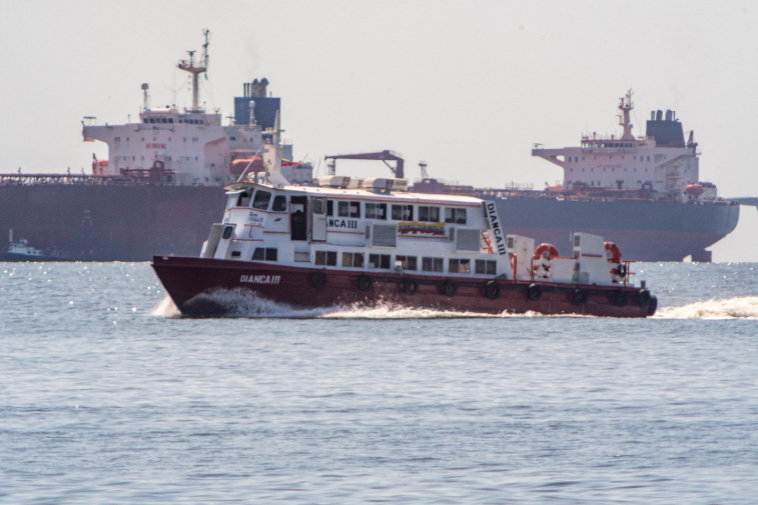
Russia accounts for 10 percent of global oil supplies. Western-led sanctions removed this supply from the market, putting pressure on the oil supply-demand balance. The price of crude oil soared from $95.42 per barrel to $127.98 on March 8 before dropping back down to $95.64 on March 16 and jumping back to $111.70 on April 14.
The price is likely to remain elevated at over $100 per barrel throughout this year. As a result, gas prices-which are indexed to the global oil price-have also experienced wild growth.
In addition to the immediate impact on energy costs, the shortage has implications for global energy security. High energy costs could distract efforts toward long-term decarbonization, with the short-term agenda dominated by domestic energy security concerns for countries dependent on fossil fuels such as coal, oil and gas.
To stabilize the supply of oil and gas, the United States has led efforts to increase access to OPEC oil, explored a deal with Venezuela and announced the release of 180 million barrels from its Strategic Petroleum Reserve.
But energy costs are still high, which affects the phasing out of coal, as coal prices remain very competitive compared with natural gas. This is especially the case for hard-to-abate industrial sectors in East Asia and ASEAN countries, where coal is known to provide energy security, affordability and reliability.
The Russia-Ukraine conflict is a wake-up call-not only for Europe, but for all countries needing secure energy sources.
Sky-high energy costs have led countries to realize that they can no longer simply depend on imported fossil fuels, which may drive a shift away from fossil fuels altogether. For example, the International Energy Agency issued 10 measures to reduce the European Union's reliance on Russian natural gas imports, including jump-starting renewable wind and solar projects and maximizing energy generation from existing low-emissions sources such as bioenergy and nuclear power.
It is often said that necessity is the mother of invention, and in this sense the Russia-Ukraine conflict may lead to the fast-tracking of renewable energy, driving down costs in the next few years. According to Steve Cohen, a writer at State of the Planet, the news site of the Columbia Climate School, breaking dependence on fossil fuels is the only way to secure energy independence, since "no sovereign state owns the sun".
But fears of supply disruption and energy insecurity could also push some Asian countries to remain coal dependent, despite their commitments at the United Nations Climate Change Conference, or COP26, held late last year in Glasgow, Scotland.
High oil prices could be an incentive to increase exports of traditional fossil fuels, leading to oil rigs being reopened and investment being funneled into fossil fuels. These temporary reopenings would likely result in rigs remaining open for years until oilfields are fully depleted, potentially prolonging the phasing-out of fossil fuels.
There is good reason to be concerned that countries may put climate change mitigation on the back burner while they focus on energy security by securing supplies of fossil fuels. If this is the case, the time frame for phasing out the use of fossil fuels under the Paris Agreement on climate change and the goal of limiting global warming to 2 C will be affected.
Oil market concerns could last longer if the Russia-Ukraine conflict continues and there is a lack of immediate alternatives to oil and natural gas. Any new investment in energy projects could take at least a year in the case of solar and wind, and potentially much longer for bioenergy or nuclear.
While there have been no signs of countries backing off from climate change commitments, authorities still need to be cautious in designing policies related to energy investments.
Countries should redesign energy policy to shift away from fossil fuel dependency over the long-term, beginning as soon as possible with large-scale investment in solar, wind and other clean energy sources.
For many developing countries, the path may be slow, but it needs to be steady with actionable strategies to achieve decarbonization and, ultimately, carbon neutrality.
The author is a senior energy economist at the Economic Research Institute for ASEAN and East Asia.