Cooperation, dialogue essential for peace in South China Sea







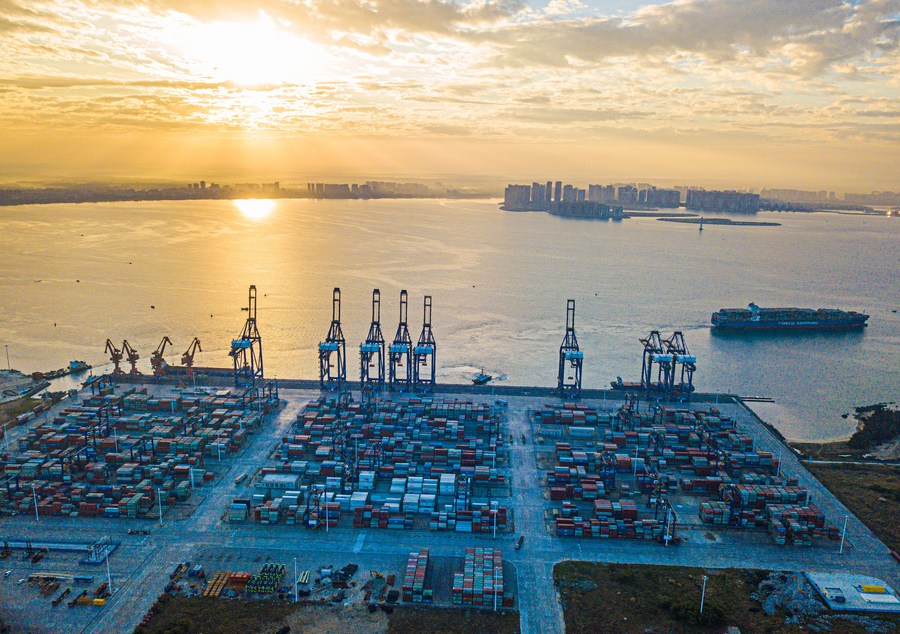
The 2022 Boao Forum for Asia, "The World in COVID-19 and Beyond: Working Together for Global Development and Shared Future", is being held from April 20 to 22. Against the backdrop of the COVID-19 pandemic around the world and the Ukraine crisis, this annual conference has attracted much attention. As one of the traditional events of the forum, the South China Sea sub-forum will focus on the future of sustainable marine development.
Looking back on history, we find China and ASEAN countries started to discuss the South China Sea issue when they began to develop cooperative relations in the 1990s. It has been a consistent priority to prevent disputes from affecting regional cooperation, and consensus has also gradually formed over time.
This year marks the 20th anniversary of the signing of the Declaration on the Conduct of Parties in the South China Sea. The DOC provides a framework for regional maritime cooperation, under which coastal states carry out cooperation in various fields such as maritime security, environmental protection, scientific research and search and rescue. The China-ASEAN maritime cooperation fund provides effective support, and all parties have reached an agreement on the application of The Code for Unplanned Encounters at Sea in the South China Sea. Although the "Code of Conduct in the South China Sea" negotiation has been affected by the pandemic, much progress has been achieved.
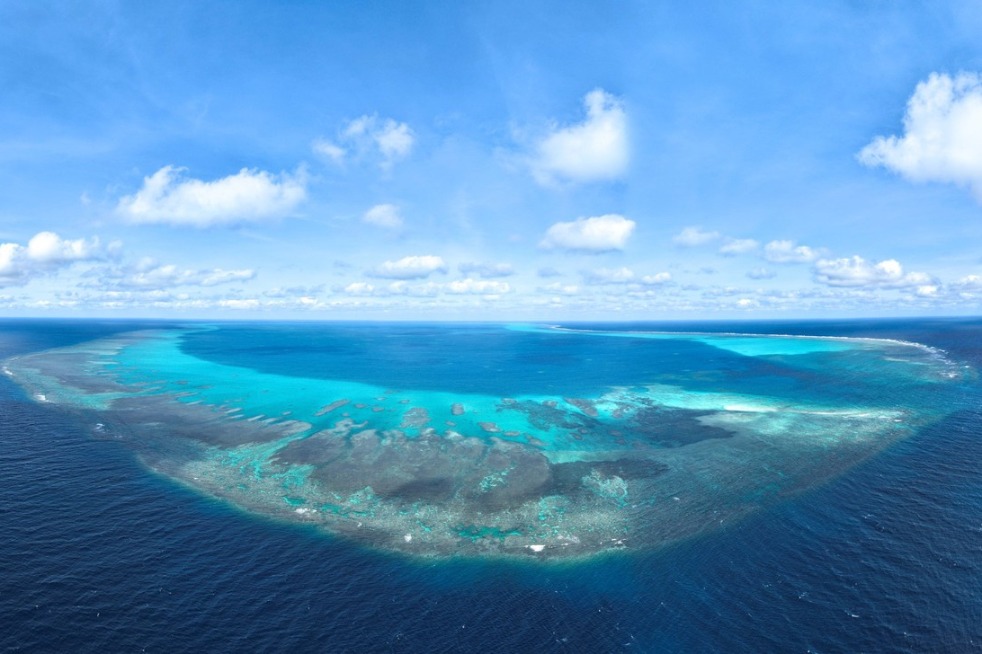
The South China Sea is regarded as one of the centers of global marine biodiversity, but in recent years challenges such as overfishing, ocean dumping and plastic pollution have become severe. In terms of regional cooperation in sustainable development, Southeast Asia is not without successful experience - the Greater Mekong Subregion Biodiversity Conservation Corridor project has been implemented for more than 10 years, and a series of key approaches related to this have achieved remarkable results.
In non-traditional fields such as the protection of marine biological resources, the prevention and control of marine environmental pollution and the prevention and rescue of marine disasters, China and ASEAN countries have urgent practical needs and strong political will to deepen cooperation, and their common interests far outweigh their differences. But at the same time, it should be noted the power system, cooperation mechanism and coordinated response capabilities of countries in dealing with non-traditional maritime security challenges are insufficient, and the expansion of functional cooperation from bilateral to multilateral still faces difficulties.
At present, countries in the South China Sea have established more than 30 non-traditional security cooperation mechanisms. Most involve the conservation of fishery resources, but there are problems such as a lack of scientific data to formulate conservation and management measures and insufficient coordination of policies. The cooperation mechanisms under a weak institutional condition have overlapping functions and tend toward fragmentation, which will affect the quality of cooperation between coastal countries. The establishment of a cooperation mechanism between coastal countries in the South China Sea must also be promoted in the future.
By deepening functional cooperation, China and ASEAN countries have great potential. One area of mutual interest is the biodiversity of the South China Sea ecosystem, with the possibility of joint surveys, monitoring, analysis and evaluation of marine ecosystems, and research on the protection of rare species. Another is in improving the public service capabilities of marine science and technology innovation, including marine observation, forecast technology innovation and public product research and development, to build a regional observation and disaster emergency network.
In the past two decades, China has promoted multi-field maritime cooperation, supported the development of the "blue economy" and enhanced mutual trust and integration of interests with ASEAN countries. However, due to extraterritorial factors or, more directly, the interference of the US, the situation in the South China Sea has always faced severe challenges.
Washington views the South China Sea from the perspective of geopolitics and strategic competition and exerts its influence on the issue. The US is trying to create regional tensions and provoke confrontation through the "Indo-Pacific Strategy", which will weaken the motivation of ASEAN countries to deepen maritime cooperation with China. One of the lessons of the Ukraine crisis is if a Cold War mentality returns and bloc confrontation is staged, it may seriously threaten the hard-won peace and development of the South China Sea region and seriously erode the ASEAN-centered regional cooperation structure. Thus it is necessary for ASEAN countries and China to strengthen solidarity, jointly resist external risks with a maritime vision that goes beyond zero-sum games and play an active role in maintaining peace and stability.
Ding Duo is deputy director and associate research fellow at the Research Center for Ocean Law and Policy at the National Institute for South China Sea Studies. Zhong Hui is project manager for international exchanges at the institute and secretary at the China-Southeast Asia Research Center on the South China Sea.
The opinions expressed here are those of the writer and do not necessarily represent the views of China Daily and China Daily website.
If you have specific expertise or would like to share your thoughts about our stories, then send us your writing at opinion@chinadaily.com.cn, and comment@chinadaily.com.cn.