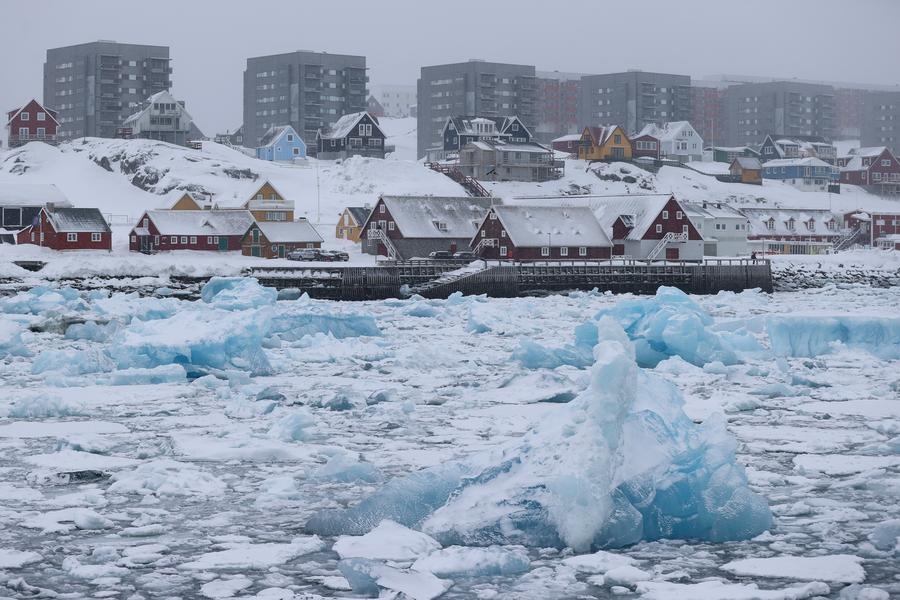
Runaway temperatures intensify scientists' fears







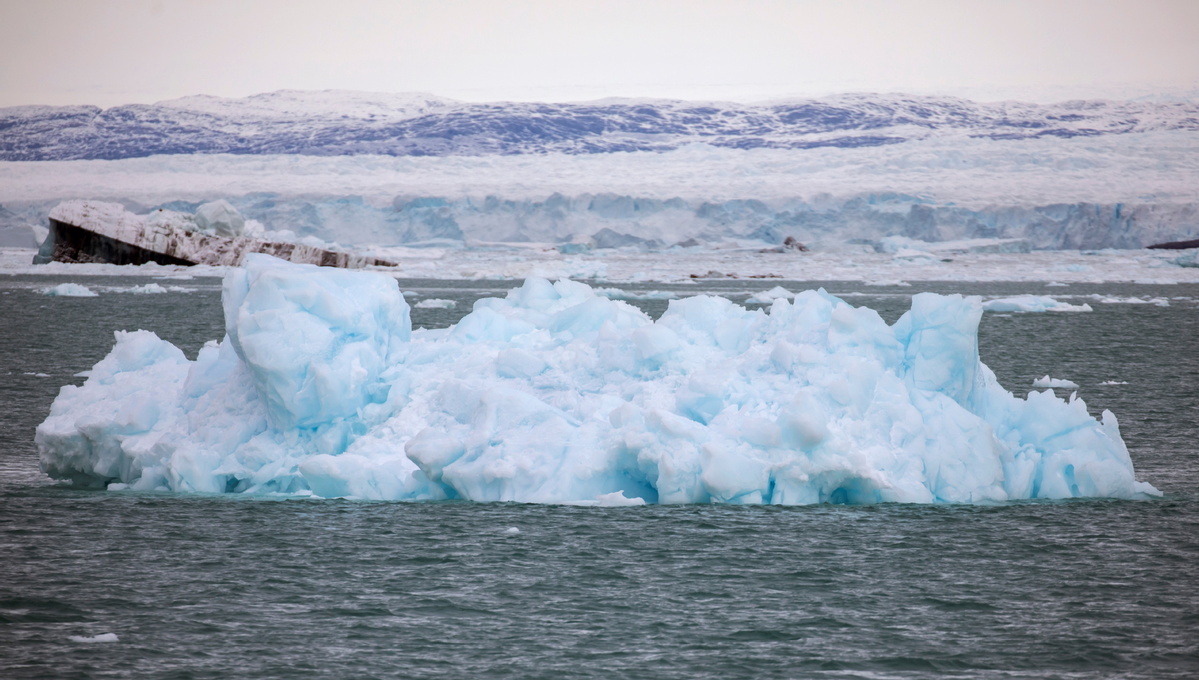
There is no escaping the fact that the planet is becoming warmer. Around the world, temperatures are climbing to levels never seen before.
In Western Australia recently temperatures in some remote townships exceeded 50 C.
So far this Southern Hemisphere summer Argentina and neighboring countries such as Uruguay, southern Brazil and Paraguay have experienced some of the hottest days in history.
Wildfires last year in the United States, Canada, the Mediterranean and in Siberia have been the worst on record due to long dry spells and extremely high temperatures.
As temperatures rise, oceans also become warmer, affecting migratory patterns of fish and threatening the livelihoods of millions who rely on fishing for a living.
High temperatures have damaged the world's coral reefs, bleaching the coral white and killing off massive kelp forests.
A report titled "Another Record: Ocean Warming Continues Through 2021 Despite La Nina Conditions" published by Advances in Atmospheric Sciences journal on Jan 11 said that last year the world's ocean temperatures were the highest ever recorded.
The Ocean Conservancy, a nonprofit environmental advocacy group, said: "From the beginning of industrialization until today, the ocean has absorbed more than 90 percent of the heat from human-caused global warming and about one-third of our carbon emissions. But we are now seeing the devastating effects of that heat and carbon dioxide."
The World Meteorological Organization said on Jan 19 that despite the temporary cooling effects of the 2020-22 La Nina events, 2021 was still one of the seven warmest years on record.
Global warming and other long-term climate change trends are expected to continue as a result of record levels of heat-trapping greenhouse gases in the atmosphere, it said.
The average global temperature last year was about 1.11 C above preindustrial (1850-1900) levels.
Last year was the seventh consecutive one in which the global temperature had been more than 1 C above preindustrial levels, according to all datasets the organization had compiled.
Associate Professor Douglas Bardsley of the School of Geography, Environment and Population, University of Adelaide, said the report suggests any perceived lull in global climate change is not a source of hope that warming is decelerating.
"Reports like this mean we need to think about how the places that we love and work in will be affected, and how we will need to adapt to deal with heat and changing rainfall patterns, bush fires and coastal erosion."
The report and others like it need to be used to trigger political and technological change, Bardsley said.
Substantial stress
Professor Martina Doblin of the Climate Change Cluster at the University of Technology Sydney said: "Just as in terrestrial systems, marine heat waves or MHWs are increasing in their frequency, intensity and duration, often resulting in substantial stress or mortality among marine organisms."
Increasing record-breaking temperatures are already inflicting harm on marine ecosystems, with well-documented impacts of coral bleaching and massive biodiversity loss during marine heat waves, she said.
Pep Canadell, a research scientist with the Commonwealth Scientific and Industrial Research Organisation and executive director of the Global Carbon Project, said: "In the past, a La Nina year was a globally cool year, a time for a break from warmest weather. Now a La Nina year is a globally very hot year. What concerns me is what will the next super El Nino bring, when temperatures get seriously hot?"