Omicron disrupts US public transit systems







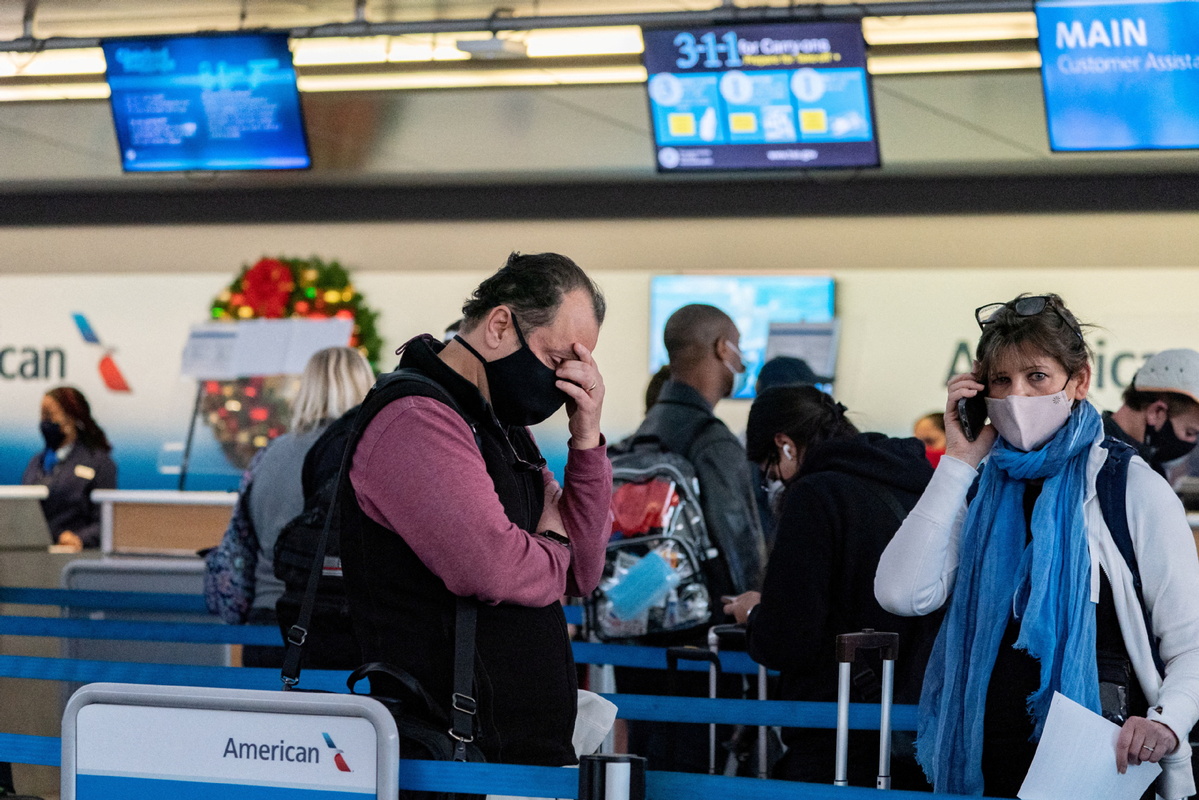
As the Omicron variant drives up infection rates in the US with more than 1 million cases recorded, public transit systems across the country and their riders face the grim reality of staffing shortages causing minor to major service interruptions.
In New York City, which has the nation's largest public transit system and is one of the hot spots of COVID-19, the Metropolitan Transportation Authority (MTA) has canceled several bus and subway lines in the past couple of weeks because hundreds of employees have been out sick.
An MTA spokesman declined to give a specific number or say how many workers have tested positive for the coronavirus, explaining that the agency doesn't track specific illnesses.
New York Governor Kathy Hochul said last week she was against a vaccine mandate for public transit workers because 80 percent were already vaccinated and that a mandate would worsen staffing problems.
Ridership on the city's subways is also down due to the reluctance of riders to cram into packed subway cars and risk the Omicron variant, which spreads easily and quickly.
And then there is the move by many New Yorkers to buy cars to minimize exposure to the virus, according to The New York Times, clogging already clogged city streets. Total registrations in the city for passenger vehicles has reached 2.2 million through Dec 1, 2021, from 1.9 million in 2019, according to state records.
MTA ridership is less than half of the pre-pandemic level, yet the agency has to maintain the same level of service. It serves not only New York City but also suburbs and the neighboring states of New Jersey and Connecticut.
Felicia Park-Rogers, director of regional infrastructure projects for the advocacy group Tri-State Transportation Campaign, told MarketWatch that before the pandemic, 38 percent of the MTA's revenue came from riders.
With the decline in ridership, Park-Rogers said it is facing a 20 percent deficit in its 2021 operating budget, a problem not limited to the city.
"This is a public service that we all need just like fire and police,'' Park-Rogers told Market Watch. "The MTA is facing severe budget shortages, and that is scary and problematic."
In Ohio, the Greater Dayton Regional Transit Authority posted an announcement Monday that said starting Jan 10 it will move to Saturday schedules six days a week because of reduced staffing due to COVID-19.
The neighboring Greater Cleveland Regional Transit Authority has had to reduce the frequency of trains on its rapid lines. Trains now arrive every 45 minutes to an hour instead of the normal frequency of every 15 to 30 minutes.
In Louisville, Kentucky, the Transit Authority of River City is asking riders with disabilities to limit riding buses. The agency said in an email that it is encouraging only essential trips because there is a significant driver shortage due to COVID-19.
The San Diego Metropolitan Transit System had to cut its bus trips by about 8 percent because it can't find enough drivers.
Mark Olson, who heads marketing for the agency, told Marketplace that like other transit systems across the country, it has tried raising wages and offering $1,000 signing bonuses.
"We're doing things like on-the-spot hiring, where people can get interviewed and actually get a job offer that same day," he said.
Public transit interruptions were an issue in many cities even before the Omicron case surge. In St. Louis, a shortage of 150 personnel forced Metro Transit to reduce bus service at the end of November.
The Massachusetts Bay Transportation Authority in Boston said in mid-December that it faced a significant worker shortage leading to delays and crowded buses. The agency said it has operated with educed service and plans to hire more than 300 bus and 100 streetcar operators.