



Good nutrition key to vaccine efficacy







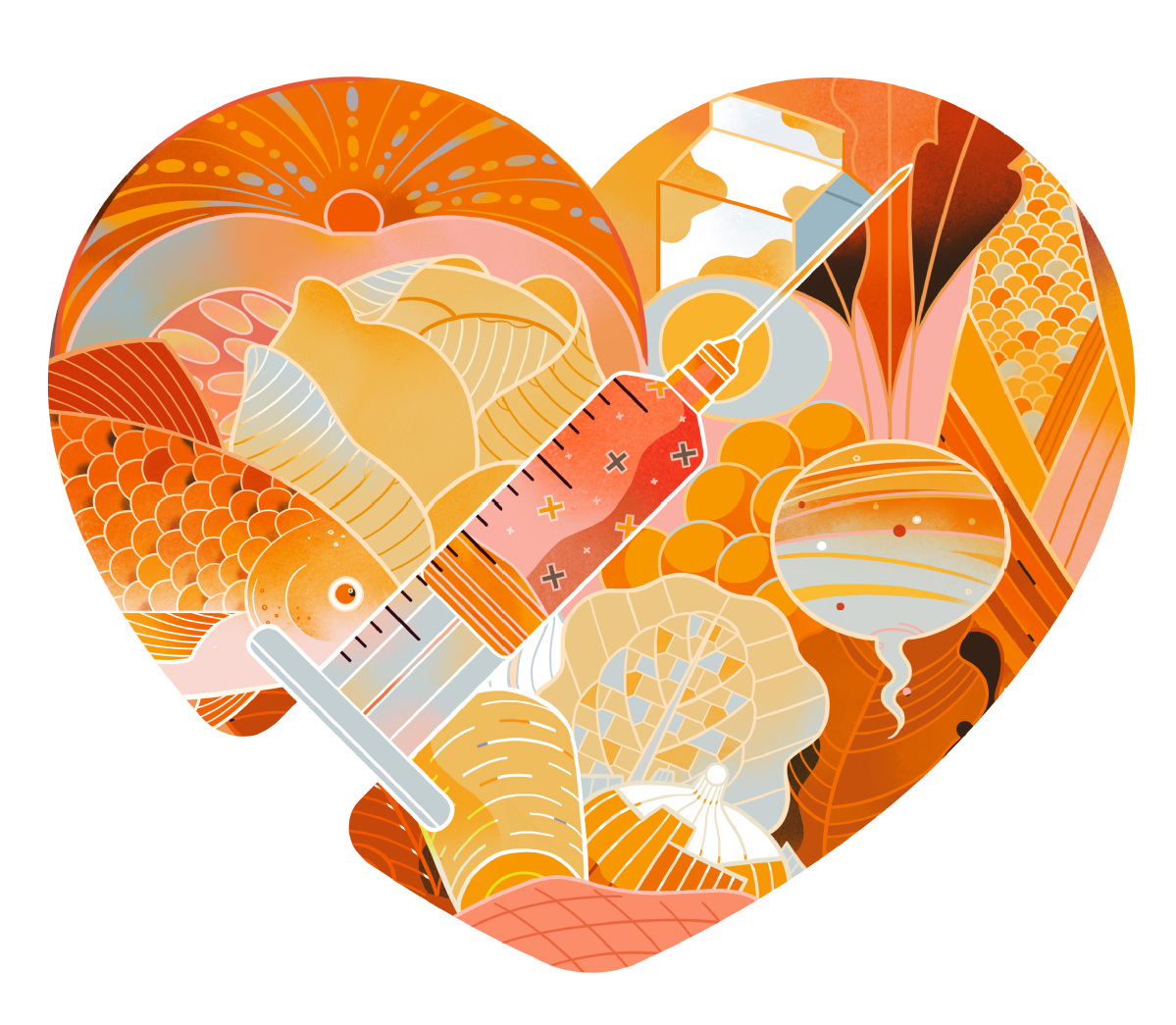
The world has never paid so much attention to scientists developing safe and effective vaccines. But there are other things that also need to be done to increase the efficacy of vaccines against COVID-19.
Nutrition plays a major role in vaccine efficacy. According to a recent study published in PLOS," monitoring nutrition may be a practical and low-cost way to impact vaccination outcomes". The study said good nutrition was key to bolstering the immune response to both the BCG tuberculosis vaccine and tuberculosis treatment itself.
Even before the pandemic broke out, we knew that undernutrition was a killer on its own. Now, the pandemic has compounded the climate crisis, and the increased extreme weather events have given rise to swarms of locusts which in turn have added further pressure on fragile food systems. Prior to the pandemic, an estimated 690 million people were undernourished. According to the World Food Programme, that number could increase by another 132 million by the end of this year.
The impact on the central Sahel region has been particularly severe. In mid-October, the United Nations and world leaders gathered to address the mounting humanitarian challenges facing the region which have been exacerbated by the pandemic. In Burkina Faso, for instance, one in five children are severely unnourished, food prices are spiking and more than half of the country's population say they don't get enough food.
Growing food insecurity and the climate crisis are threatening to push more families into poverty and drive migration. In this context, vaccines are both harder to deliver and potentially less effective at stimulating an immune response.
It's not just undernutrition which affects vaccine efficacy. In the past couple of decades, increasingly sedentary lifestyle and ultra-processed foods with high sugar and fat content have triggered an obesity epidemic, which has caused a dramatic increase in hypertension, type-2 diabetes and different types of cancers. In particular, low- and middle-income countries have seen an exponential rise in obesity-70 percent of individuals in such countries are either overweight or obese.
As the COVID-19 pandemic has shown, people with obesity and underlying conditions are more prone to contracting infections and at increased risk of dying. Worse, when vaccines are indeed developed, they could be less effective on obese people-and according to studies, people whose immune system is weakened by obesity could not even develop vaccine-induced immunity.
As such, undernutrition and obesity both threaten to drive up the COVID-19 fatality rate and, in the long term, could undermine the efficacy of new vaccines.
It is, however, heartening to see some positive developments, such as countries turning their backs on vaccine nationalism and 184 countries joining COVAX-one of three pillars of the Access to COVID-19 Tools Accelerator launched by the World Health Organization, the European Commission and France in April. This will help countries to pool the risks and then equitably share the benefits of vaccine breakthroughs.
Yet a vaccine cannot be the silver bullet to contain COVID-19 pandemic and overcome the new challenges it has exacerbated.
As leaders discuss building back better and greener, it is important to ensure everyone having access to quality food and nutrition is part of any overarching post-pandemic plan. Thanks to the Consultative Group for International Agricultural Research's development and promotion, biofortified food crops rich in vitamins and minerals have reached almost 40 million people in low-income countries. Bringing such crops to smallholder farming families and other vulnerable groups will ensure people have equal access to quality food and nutrition, which is key to ending the scourge of "hidden hunger".
On healthy diets, researchers in India looked at how provinces had improved the public distribution system and introduced a "one nation, one ration card" to help low-income families to access nutritious food. And studies show that a more balanced and diverse diet including fruits, vegetables, animal-sourced protein in addition to staples is vital to improving people's nutrition level, particularly among children and women.
An integrated health service system, which provides people with nutrition and vaccines against COVID-19, polio, measles and other diseases, could improve overall health and development indicators.
Nevertheless, the so-called global outbreak of obesity and the scourge of undernutrition require us to take a radical, holistic look at, among other things, our food systems. For apart from the damage it has caused to human beings, the global economy and society as a whole, the pandemic has also given us an opportunity to seriously review some of these systems and rebuild stronger.
Engaging with communities is critical to building stronger and more sustainable shockproof systems, which foster confidence in new vaccines. Such systems also boost the effectiveness of the vaccines by facilitating a long-term food and nutrition strategy that aims to reduce both undernutrition and obesity. To get the best out of a new COVID-19 vaccine, tackling all forms of malnutrition will be critical.
The author is a CGIAR system board member, and chair professor at and dean of the Academy of Global Food Economics and Policy, China Agricultural University, and former director-general of International Food Policy Research Institute.





