



On convergence, complexity, cross-sector cooperation







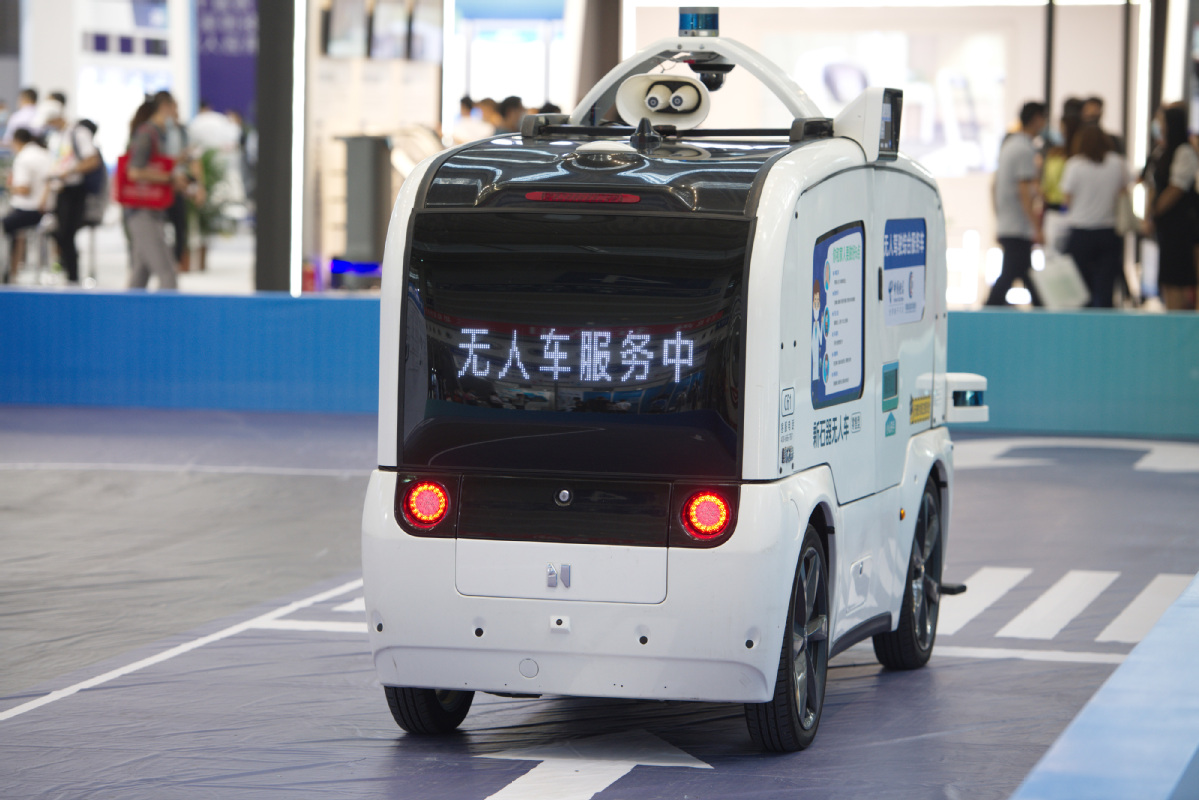
As a reporter whose beat is the information, communication and technology, or ICT, sector, I never expected that one day I'd write stories on the automobile industry!
But, strange and wondrous is the way convergence, synergy, and interconnectedness work these days. ICT and automobiles are more closely connected today than ever before, thanks to the advent of 5G, the internet of things, robotics, automation, big data, AI and the like.
So, although combustion engines and car designs are not my cup of tea, I can't ignore such aspects of the automobile industry anymore. Around four years ago, ICT reporters began interviewing executives of carmakers. Among the topics they discussed were electric vehicles and driverless automobiles.
Cars are getting increasingly electric and smart. Electronics in a car is growing rapidly. For instance, use of radar as part of an electric car's electronic equipment is surging in China.
A senior executive of NXP Semiconductors, the world's largest auto chip company, told me last year that China's automotive radar sensor market was growing around 40 percent year-on-year, nearly twice the rate of the global scene.
Also, a growing number of Chinese ICT and internet-based companies are partnering with automobile makers, in the hope of reshaping consumers' in-car experiences.
They want to enable consumers to have access to all of their smartphone apps via the panel/screen in their cars. Stated differently, once inside a car, you no longer need to use your smartphone. Tech-savvy, app-happy Chinese consumers couldn't have asked for more.
A report from Accenture China, a professional services consultancy, predicted that more than 41 million people in China will make use of in-car connectivity by 2021. Some 30 percent of respondents Accenture surveyed regarded connectivity as one of the top five considerations when buying a new car.
This has driven automakers to upgrade their car models in China ahead of the rest of the world, Accenture said.
ICT and automobiles will get increasingly intertwined. But it does not mean companies in the two sectors can randomly expand their presence into each other's territories, as shown by the development of China's electric car industry in the past five years.
Several years ago, some internet-based companies such as LeTV decided to build their own car factories. Their rationale was that since they have been successful in offering internet services to consumers, and the era of smart cars engenders integration of internet into automobiles, why not jump on the automobile bandwagon?
To be sure, a car does not equal a smartphone on four wheels, as a string of electric car startups, founded in 2015 and 2016 with much hype, realized the hard way.
They had underestimated the complexity of manufacturing smart electric cars. Building an automobile production line entails high costs. Meeting the strict safety standards is not a piece of cake.
LeTV faced a severe cash crunch in 2017. It failed to deliver on its promises made to its investors. Like it, some others were also squeezed out of the market. A few are struggling to pay wages.
Chinese electric vehicle startup Byton, for instance, said in June it was halting operations for at least six months due to financial problems that have been exacerbated by the COVID-19 pandemic.
Only electric car startups, which have respected the complexity of the automobile sector and have gathered enough knowledge and experience over the years, have survived. In fact, some of them are mass-producing cars.
So, the takeaway lesson is this: irrespective of the close connect between ICT and automobiles, companies need to respect the complexity of an industry they know little about, especially in this age of cross-sector cooperation. For, any failure in doing the homework properly could lead them to over-stretch themselves.
That lesson applies to me and reporters of my ilk as well. We need to pull our socks up. Before venturing out to write on automobiles, an ICT beat reporter needs to broaden his or her ken. Full disclosure: I consult many experts before writing reports and features on smart cars.



















