



TikTok case reflects bitterly on US







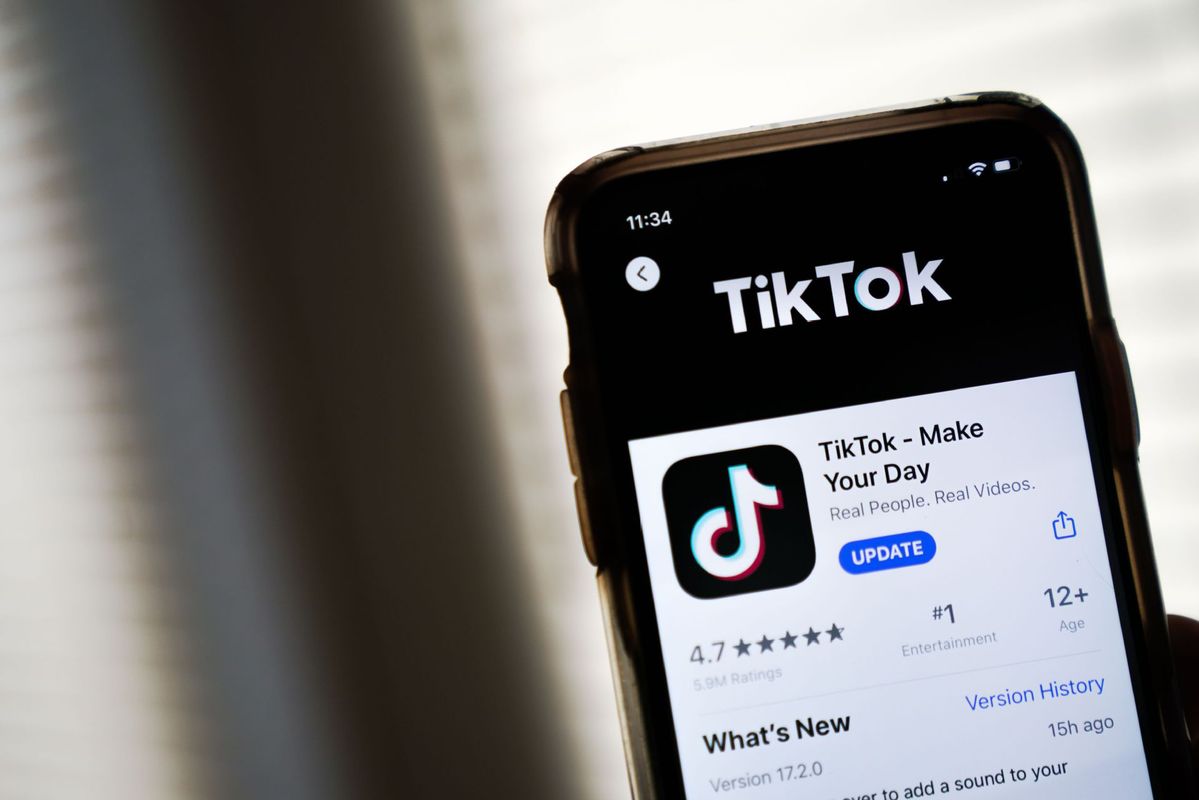
On Friday, US President Donald Trump gave Chinese company ByteDance 90 days to divest itself of any assets used to support the popular short video-sharing app TikTok in the United States. Before that, he had ordered sweeping but vague bans on US companies' dealings with TikTok owner ByteDance and messaging app WeChat owner Tencent, saying they pose a threat to US national security, foreign policy and economy.
Earlier, the US administration had given ByteDance 45 days to finalize negotiations with Microsoft-overseen by the Committee on Foreign Investment in the US-for the acquisition of TikTok's business in the US. From claiming TikTok is a "very serious" threat to US national security, threatening to ban the app and getting directly involved in the TikTok acquisition talks between Microsoft and ByteDance to refusing to allow ByteDance to retain minority stakes and eventually imposing a total ban on TikTok, the entire process to force the Chinese company to sell TikTok's US operations to an American company reminds one of The American Trap.
Written by Frederic Pierucci, former executive of French Alstom, based on his personal experiences, The American Trap is an account of how the US administration cracks down on foreign companies leading to their decline, collapse or acquisition by American companies. Alstom was one of the many foreign companies to suffer that fate.
For instance, to weaken Toshiba and other Japanese tech companies, in April 1987 the US imposed 100 percent tariff on more than $300 million worth of Japanese goods and equipment and banned the purchase of Fujitsu and Toshiba products in the US, two years after it launched Section 301 probes into Toshiba and other Japanese electronics companies on the pretext of "anti-dumping".
Under extreme pressure from the US, the Japanese government arrested two senior Toshiba officials and sentenced them to 1 year and 10 months respectively in prison. The Japanese government even imposed sanctions on Toshiba, forcing it to carry out technical cooperation with the US, a decision equivalent to forcing Toshiba to transfer its core technologies to the US. Toshiba suffered heavily and never regained its technological or competitive advantages. In fact, after being forced to sign the Plaza Accord in 1985, Japan plunged into decades-long economic recession, which affected all Japanese companies and citizens.
For years, the US took advantage of its intelligence and justice systems to the best of their ability to deal with its main international competitors, James Woolsey, former CIA director, once said bluntly. The US uses its powerful intelligence to obtain information on large contracts signed by foreign companies, and employs its complex and sophisticated legal articles to prosecute those foreign companies. These two weapons make it easier for US companies to compete with, weaken and even acquire their foreign competitors. Many Chinese companies, including Huawei, ZTE and Sinopec have fallen victim to such illegal practices.
Yet in dealing with TikTok, the US administration has stooped to a new low, using even more despicable means. TikTok has used rational means to prove it doesn't pose any threat to the US, by publishing a transparency report that shows it has met the administration's demand for removing information on users, building data centers to store local users' data in countries such as the US, Singapore and the United Kingdom, hiring senior Disney executives to oversee its overseas operations, and separating China from the rest of the world in terms of business governance.
But all these measures have been ignored by the White House, for whom ByteDance being a Chinese company is the original sin and all Chinese enterprises pose a threat to US national security and businesses.
Yet the US cannot keep everyone in the dark by lying through its teeth. Actually, many in the US itself, apart from the international community, have criticized the US administration's actions. A senior economic adviser to Toreador Research & Trading told Forbes magazine that the US administration's approach to TikTok was embarrassing for the American people.
The US, being a self-proclaimed center of technological progress, cannot accept the fact that TikTok is one of the most popular social media apps in the world-and since it's an app created by a Chinese company, the White House needs to ban it.
James Lewis, director of science and technology policy at the Center for Strategic and International Studies, said the US administration is using sort of mafia tactics when dealing with TikTok, while University of Texas law professor Robert Chesney has called the US administration's proposals on TikTok inappropriate and without any legal basis.
Besides, The Wall Street Journal commented that if the US administration's proposal were serious and considered legal, it would set a dangerous precedent for seizing foreign companies through regulatory fiat and open the door to the same treatment for US companies in other countries.
Without citing any evidence, the US administration has used national security as a pretext to take action against foreign companies, which is a blatant abuse of its power and a violation of the World Trade Organization's principles of openness, transparency and non-discrimination.
The US' hypocrisy when it comes to fair competition has been laid bare, undermining its credibility and damaging its international image. If other countries adopt the same approach, they can take similar actions against US companies citing similar reasons. Which means the US will have to eat the bitter fruits of the acidic seeds it has sown.
The author is a Beijing-based commentator. The views don't necessarily reflect those of China Daily.





