Africa needs to explore, expand 'blue economy'







The advent of COVID-19 has challenged the ability of traditional economic sectors to sustain local economies, particularly in Africa.
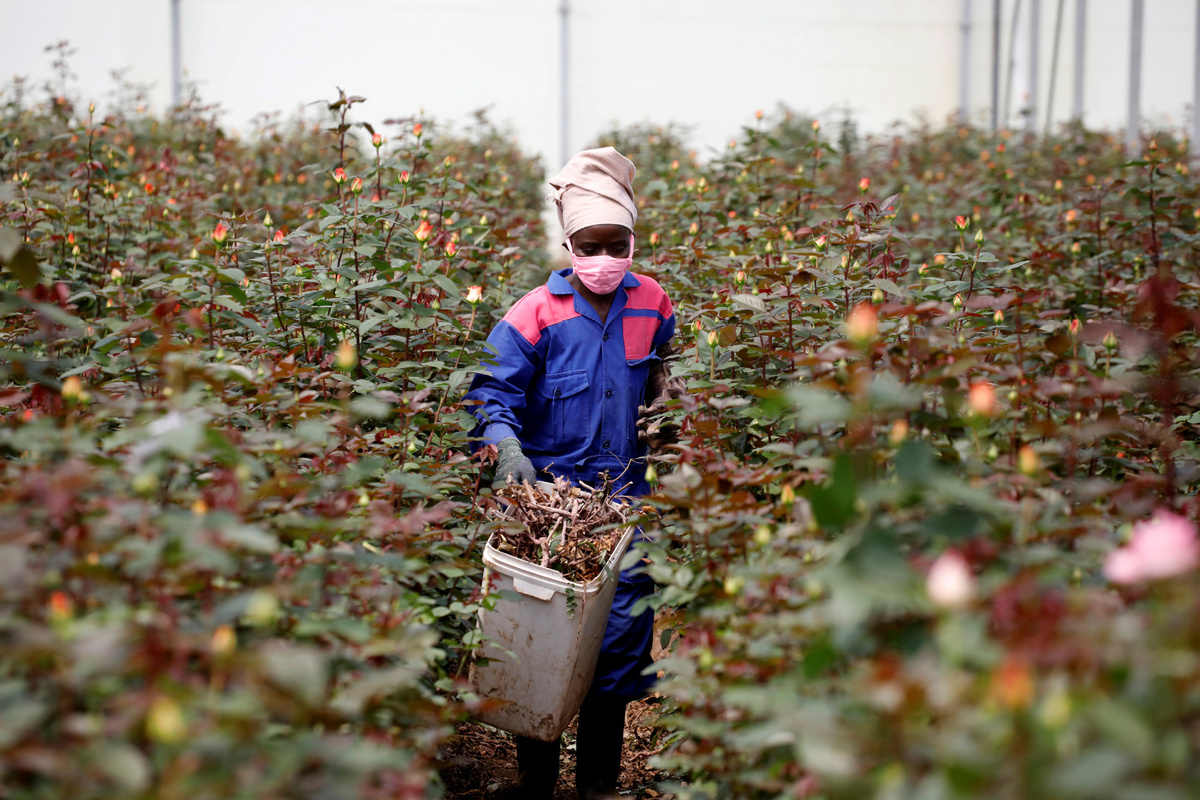
Following the introduction of health mitigation measures in response to the pandemic, African economies are undergoing major disruptions that are already showing signs of contraction in GDP growth rates, reduction in exports due to travel restrictions, and a decrease in foreign remittances that have been major foreign exchange earners for African economies.
The Central Bank of Kenya, for instance, had to revise the economic growth rate from a projected 6.2 percent to 3.4 percent.
The disruptions have been accompanied by significant job losses, particularly in the hotel and tourism sectors.
In order to reconstruct the economy and absorb shocks of such magnitude in the future, further exploration and expansion of the "blue economy" - the sustainable use of ocean resources for economic growth, improved livelihoods and jobs - remains a significant and viable policy option. It remains one of the crucial economic sectors that remain largely untapped on the continent.
According to a report published by the Kenya Institute for Public Policy Research and Analysis, Kenya continues to lose an estimated 10 billion Kenyan shillings ($92 million) annually due to illegal fishing.
There are more missed opportunities in the areas of offshore oil and gas exploration, fisheries, aquaculture, coastal and cruise tourism, and extraction of marine aquatic products.
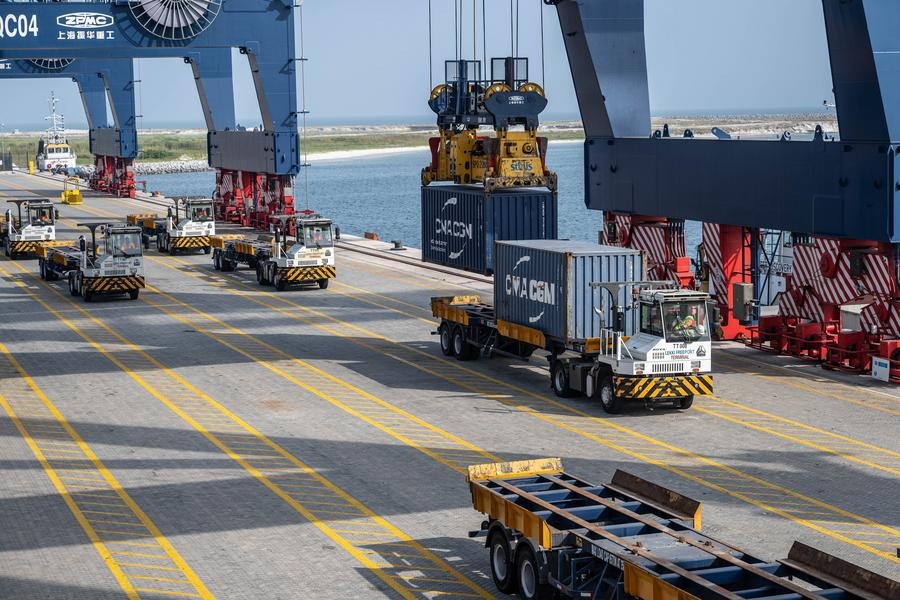
The development of marine transport infrastructure such as jetties and fish landing ports has been neglected despite its potential in bolstering African economies.
The Continental Blue Economy Strategy launched in February focuses on five areas: fisheries, shipping and transportation, coastal and maritime tourism, sustainable energy, and policies and institutional governance.
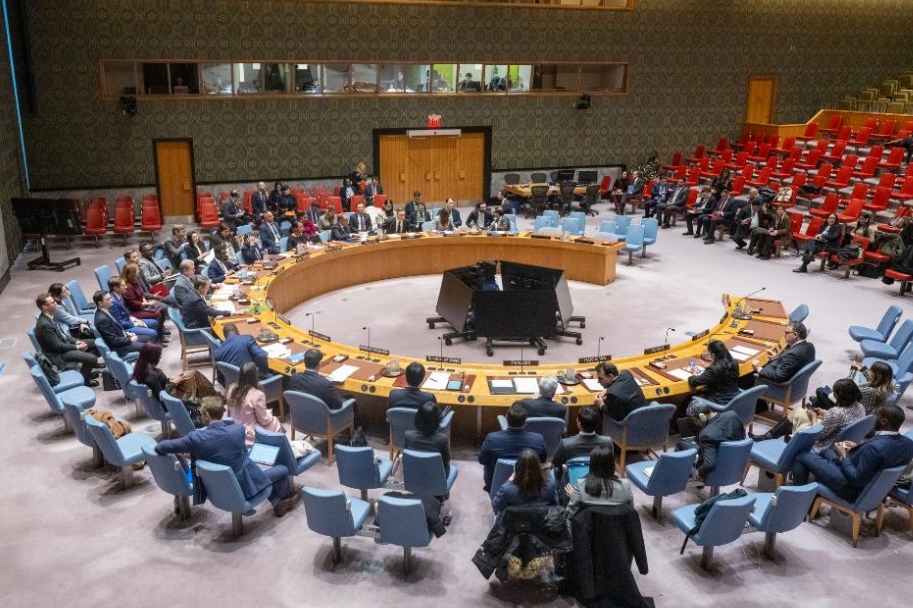
The government of Kenya provided a strategic space for global actors to seek options by hosting the first Sustainable Blue Economy Conference, which consolidated commitments around key strategic pillars: financial mobilization to support the sector; creation of people-centered strategies on sustainable development; formulation of a gender inclusion framework; and innovation of scientific solutions, as well as research and development.
At the July 23 conference held by the United Nations Conference on Trade and Development, Mukhisa Kituyi, UNCTAD's secretary-general, and Dona Bertarelli, its special adviser for the blue economy, encouraged countries around the world to expand ocean and sustainable blue economy literacy, especially among vulnerable populations, and increase understanding of gender considerations.
This signals that the political stream has created a window of opportunity to implement a broad-based exploitation of the blue economy.
If governments across Africa aim to diversify their key economic sectors, there is a need to envision a blue economy that derives value from the oceans, seas and coastal areas, while protecting the health of the ocean ecosystem and enabling its sustainable use.
Major discourses on the blue economy sector remain a preserve of few policy actors, with key local policy communities and special groups of women and young people being excluded.
Efforts should reflect a hybrid approach to the exploitation strategy of the blue economy in Africa by inculcating both top-down and bottom-up approaches to expanding blue economy literacy, and identifying potential subsectors.
The inclusion of strategic partners to enhance capacity-building and boost innovation within the sector remains a key factor in the success of this initiative, such as the incorporation of gender-based planning by including organizations such as the Association of Women Managers in the Maritime Sector in Eastern and Southern Africa in the blue economy exploitation process.
Still, building capacity in the governance mechanisms surrounding the blue economy sector, such as ministries, departments and agencies whose activities relate to the blue economy, by increasing their budgetary allocations and linking them with regional networks within the sector such as the United Nations Economic Commission for Africa, has the potential to orient available resources to serve the common good.
These solutions may be bolstered by finding new ways of financing capital projects using the blue economy domain by floating blue bonds under public-private partnerships within the United Nations' Sustainable Development Goal 17, which cause for strengthening the means of implementation and revitalizing the global partnership for sustainable development.
Wilson Muna is a senior associate fellow and Thuo Kinyua is an associate fellow at the Kenya-based think tank Africa Policy Institute.