



Bankers ought to resist champagne celebrations







It's been a grim start to the year. Not least of course for those who have lost loved ones in the novel coronavirus pandemic, but also for those who have suddenly and without warning become financially insecure as a result of massive job losses around the world.
For a small number, however, the first quarter of 2020 has been a bumper harvest. Investment bankers were fortunate enough to receive their generous 2019 bonuses in the first few months of this year, just at the cusp of the coronavirus outbreak. Indeed, initial indications for five of the United Kingdom's largest banks alone are that 3.14 billion pounds ($3.89 billion) in bonuses have already been earmarked for employees, albeit much of it in deferred shares.
Record trading volumes of investment banks
Since then, all hell has broken loose in the markets as investors are trying to grapple with the ongoing impact of the virus. Investment banks have seen record trading volumes in the first quarter of the year, particularly in equities and currency markets. According to the Securities Industry and Financial Markets Association, 9.3 billion shares on average were exchanged daily on US stock markets in February, the highest level of activity since December 2018-a month which also saw huge market volatility.
All this is manna from heaven for investment bankers, whose fees go up exponentially as excitable markets encourage clients to jump in and out of assets. Indeed, some analysts believe that investment banks' revenues for the first three months of the year could be up by 30 percent due to these frenzied trading levels.
In the meantime, there are signs that the industry has performed rather well in the first few months of the year. About 60 percent of actively managed US large-cap mutual funds beat the Russell 1000 in February, an index that represents the 1,000 top companies by market capitalization in the United States. As a result, some potentially uncomfortable questions will need to be asked by the industry's bosses: as the results come through for the quarter, what bonuses should be awarded to employees at the end of the 2020 financial year?
Paying huge bonuses in crisis not acceptable
Wiser managers will note the sensitive optics surrounding this issue. Now that 2019 bonuses have already escaped out the door, allowing a surge in revenue to equate to outsized bonuses will simply not be acceptable. These bonuses will again be paid in the first few months of next year, a time when many individuals will still be struggling in the dark shadow cast by this epidemic.
One does not need to look too far back to remember a rather ignoble history regarding this issue. Nine of the US' largest banks, for example, paid $32.6 billion in bonuses during the 2008 global financial crisis while at the same time receiving $175 billion in taxpayer-funded bailouts.
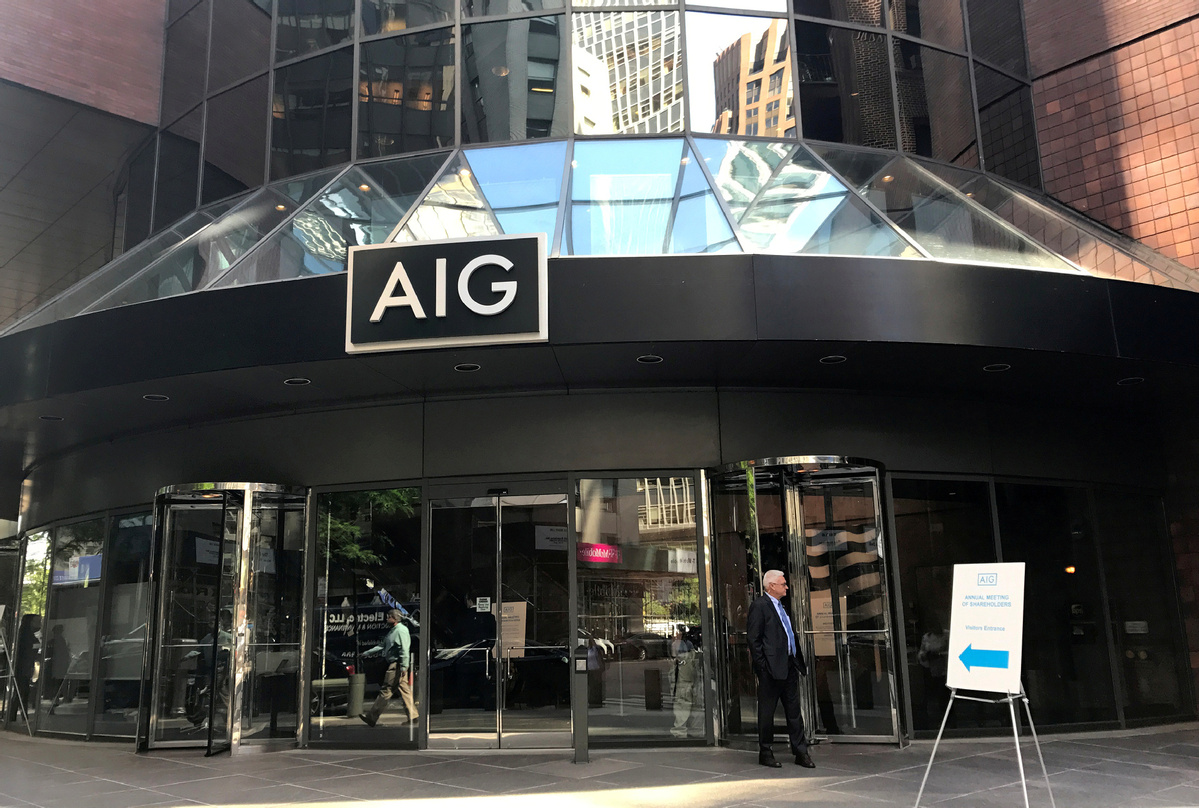
Perhaps the most egregious example was AIG. The giant insurance corporation's financial services division had issued hundreds of billions of dollars of credit default swaps on subprime mortgage-backed securities in the years up to the crisis. When these securities eventually failed and AIG realized it did not have enough money to back them up, the company was bailed out with $61.7 billion of taxpayers' money, the largest amount for any corporation in history. That, however, did not stop AIG paying out $454 million in initially undisclosed performance bonuses in 2009, over a third of which went to employees of the very division that brought the company to the brink of collapse. As the then New York attorney general Andrew Cuomo put it:"When the banks did well, their employees were paid well. When the banks did poorly, their employees were paid well."
The bonus structure at the time reflected the fact that markets were, as now, extremely volatile. Bankers were able to earn millions as governments all over the world pumped money into the economy through measures such as quantitative easing. Austerity measures led to a myriad of negative repercussions, pushing millions out of work and ultimately leading to the degradation of public services and a huge increase in the number of illnesses, suicides, and a host of other personal problems for average families.
Swift actions needed to help small firms
Of course, the reasons behind the inevitable deep recession to come are very different from those in 2008. Indeed, financial institutions are now one of several "emergency services" that have been urged by governments to help those individuals and businesses currently suffering terribly. Swift action is needed to aid small businesses already reeling from a collapse in sales: help in the form of generosity over existing contracts, future relief loans, and other types of assistance will be needed for a while to come. Thanks to the post-2008 measures imposed on banks to shore up their capital reserves, they should be in a much stronger position to help such people and businesses than before.
Banks know that if they can get this right, they will have done much to save their tarnished reputation since the last global financial crisis. But this should include ensuring that some restraint is practiced when it comes to handing out bonuses for this financial year. A decade ago, governments eventually had to step in to enforce bonus caps following a wholly justified public outcry. Banks should not allow this same issue to blow up in their face again.
The author is a consultant and writer with more than 15 years of experience working in financial crime compliance throughout the Asia-Pacific region. The views don't necessarily represent those of China Daily.








