Collaboration key to win global anti-virus fight







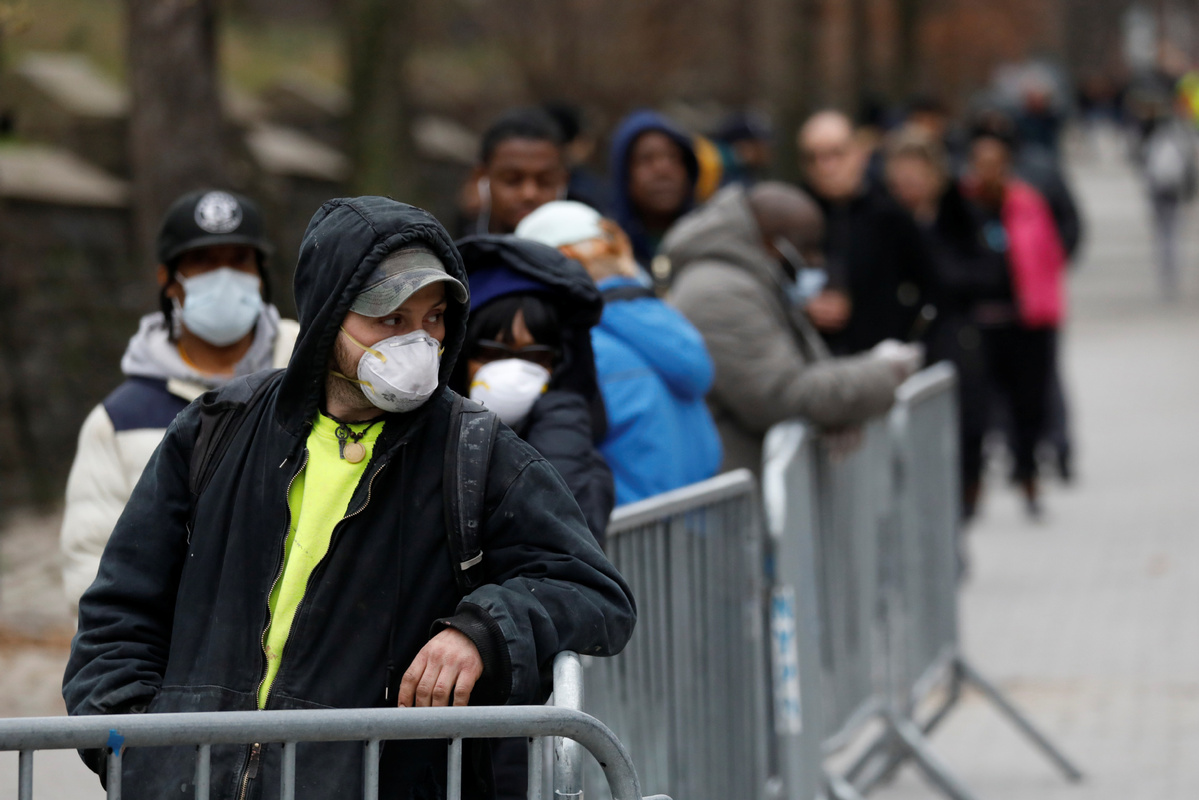
Although novel coronavirus pneumonia cases are still rising in many countries, spreading panic across the world faster than the virus itself, the pandemic can still be contained using the right measures, as China has shown. To contain and prevent the spread of the disease, international coordination and collaboration are pivotal.
A public health emergency poses a danger to every person, and therefore can have broad repercussions on society and the economy. So governments and all sections of society have to engage at all levels to cope with the health emergency. But due to a lack of united international leadership, such an engagement is not possible. As such, only through global collaboration and coordination among countries, intergovernmental organizations and the private sector, with the World Health Organization playing a key role, can a global crisis like the coronavirus pandemic be contained.
Fighting common challenges together
Countries around the world are closely interconnected due to economic globalization, so it will be difficult to control the global spread of the virus without taking comprehensive and coordinated measures worldwide. Which makes collaboration and coordination among different countries, international organizations and the private sector critical to win the battle against the pandemic.
In this era of globalization, we need to meet the common challenges together. And to win the battle against the virus, the international community should rally together and take a series of urgent, coordinated measures.
To begin with, the international community, including governments and international organizations, should ensure that people get correct and timely information on the virus and the depth and extent of the pandemic. There is too much misinformation about the virus doing the rounds, which has raised the panic level of the public, forcing many to respond to the situation hysterically rather than rationally and scientifically, which in turn has given rise to racism and xenophobia in certain places.
The WHO has been working with Google to ensure that people get facts from the world health body first when they search for information on the novel coronavirus. Social media platforms, too, have been urged to combat misinformation and scotch rumors about the disease.
Although authoritative information from the WHO has helped the public to respond rationally to the coronavirus outbreak, which is conducive to curbing the spread of the virus, there is an urgent need to strengthen global collaboration and coordination to better prepare for and more systematically respond to health emergencies at the global, regional and country levels. Also, the WHO must help coordinate the moves of different countries under the framework of International Health Regulations, so as to boost their capacity building and better prepare them to cope with medical emergencies.
In the future, once a disease outbreak shows signs of turning into a pandemic, all countries should mobilize their resources to timely and resolutely respond to the situation, and inform the public of the number of confirmed cases and their travel history. The WHO should also help train healthcare workers, especially from developing countries, and guide the governments how to control and prevent the spread of the disease.
Supply of medicines, medical products should be regulated
Also, the fact that many countries have imposed restrictions on the export of medicines, personal protective gear and other medical products, such as face masks and sanitizers, and banned travel and flights has affected the global value chains of medicines and personal protective gear, greatly reducing their supply in the market in many places. Therefore, the international community should make greater efforts to regulate the supply of such strategic medical products to the countries hit by the epidemic and facing a shortage of medicines and medical equipment, especially to help protect the healthcare workers there who are the most vulnerable group.
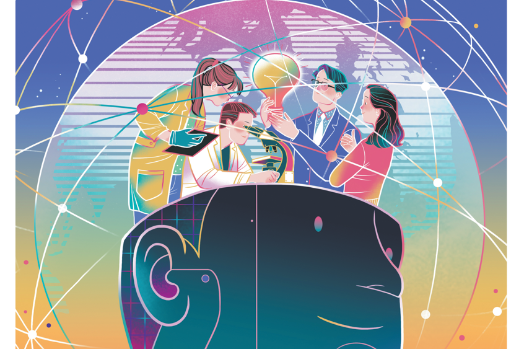
It is also important that scientists and doctors cooperate and share all relevant information and experiences among themselves, and with their peers across borders. The quick genetic sequencing of the virus by Chinese scientists and sharing of the information with the WHO in early January enabled the development of a variety of assays to diagnose coronavirus pneumonia patients. Genetic sequencing information is also crucial to track virus propagation, estimate virus mutation rates, and create vaccines and medicines.
Collaboration and sharing of knowledge and medical experiences among front-line medical workers across the world are significant; they are not only conducive to reducing healthcare-related infections, but also contribute to the treatment of diseases and reduction of fatality rate. Chinese medical experts from Wuhan, capital of Hubei province and the epicenter of the outbreak in China, have shared their insights and experiences of treating coronavirus pneumonia patients with Chinese and foreign reporters, especially those from some of the worst-hit countries.
Raise funds to boost research on vaccines
Besides, the international community also needs to raise funds to boost the research programs of the most promising biotech companies, so they can develop a vaccine for novel coronavirus as soon as possible. As it is difficult to secure investment in medical R&D due to the uncertainties involved with medical research, WHO-coordinated fund raising from governments and charity organizations is the best way to help develop a vaccine.
Furthermore, since a pandemic will have a huge impact on the global economy, all countries should coordinate their economic policies to devise an overall global policy to fight the virus. And the World Bank Group should provide financial aid for countries, particularly most vulnerable developing countries, to help them to not only strengthen their healthcare services, bolster their disease-monitoring and reporting system, and train front-line health workers, but also to help small and medium-sized enterprises tide over the immediate difficulties.
Lending a hand to other countries
As of Monday, the fact that the virus had spread to more than 190 countries, infecting more than 340,000 people and killing over 14,000 reflects the inadequacy of the global public health governance system, which can be improved only with global collaboration and coordination. Having almost contained the outbreak in the country, the Chinese government has now dispatched medical teams-and medical supplies-to some severely affected countries, so they can help their fellow medical experts there to win the battle against the virus.
China has succeeded in largely containing the epidemic in the country, because it mobilized all its resources, and resolutely implemented comprehensive and stringent prevention and control measures, which in turn boosted global confidence in the fight against the virus.
Hence, the international community should see the coronavirus outbreak as a wake-up call and better prepare for eventualities by helping build a community with a shared future for mankind.
The author is director of the Center for Global Governance and Law, Xiamen University of Technology. The views don't necessarily represent those of China Daily.