All at sea with the coronavirus







It has been a month since the first batch of stranded HK passengers got off the virus-stricken Diamond Princess and came back home. Willa Wu talks to survivors who experienced the nightmare and Samaritans who helped bring them home.
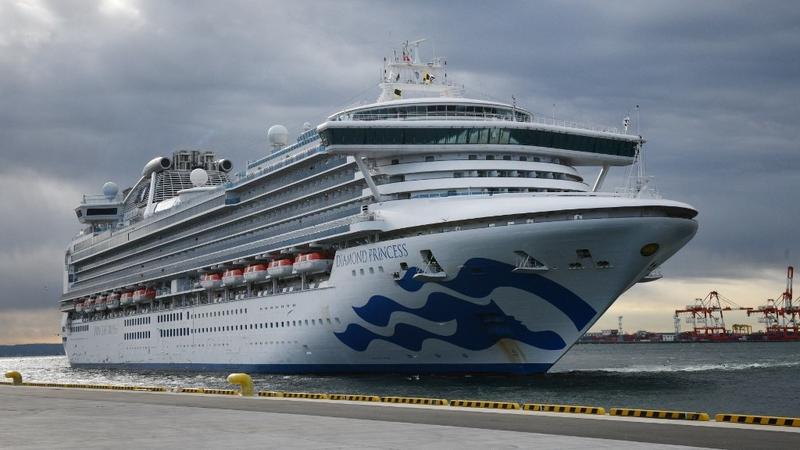
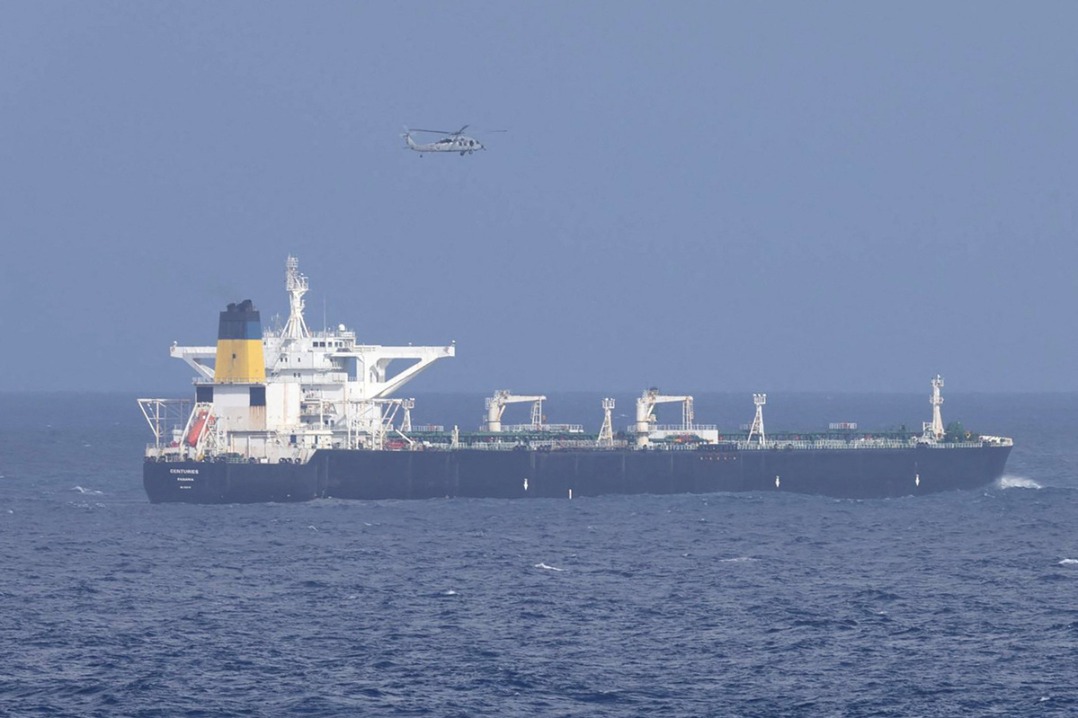
The sea was tranquil but for Simon Hui everything else felt out of control. The 57-year-old Hong Kong physiotherapist was one of the 364 Hong Kong passengers trapped onboard the cruise liner, Diamond Princess.
This was a dream voyage that turned into a nightmare, as the novel coronavirus raged among the 3,711 people onboard that ill fated voyage.
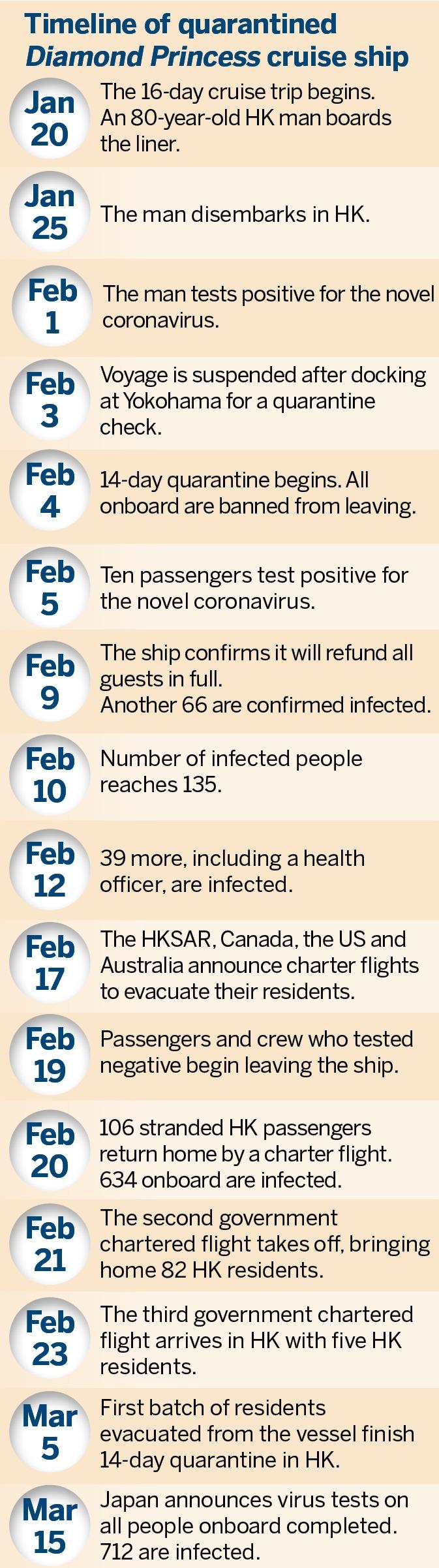
The Diamond Princess had set sail from Yokohama on Jan 20, on a 16-day round trip that would see it stop in Hong Kong, Vietnam and Taiwan. On Feb 1, an 80-year-old Hong Kong passenger who had disembarked in Hong Kong on Jan 25 tested positive for the highly infectious novel coronavirus. The cruise ship shortened its trip and returned to Yokohama on Feb 3. One day before the original schedule.
The first hint of something amiss came on the evening of Feb 2. Earlier, passengers had been requested to set their luggage at their cabin doors, a day before disembarking. It was standard procedure. Then Hui got a message from a crew member which he found unsettling. He was advised to keep his luggage inside the cabin. The time for disembarkation was now uncertain.
Then came the frightening news. The ship’s captain broadcasted a bulletin on Feb 3. The ship, now back in Yokohama had been quarantined. Officials of Japan’s Ministry of Health, Labor and Welfare were to come aboard to check the body temperature of every passenger.
It was a quarter-to-four, in the early hours of Feb 4, when the knock came on the door. Medical staff tested Hui and his wife. Both were within the temperature range of “normal”. “I believed we could still get off in a few hours,” Hui told China Daily via a video interview.
What happened next was worse than anything Hui had imagined. There was another announcement from the ship’s captain. All passengers were to stay in their rooms for the next 14 days, while Japanese authorities closely watched to see who would become ill with the COVID-19 infection.
“I was not worried, hearing the arrangement. I thought the Japanese government would handle it well. Japan is a developed country with advanced healthcare,” he said.
Again, his expectations proved wrong. On Feb 5, Japan confirmed that 10 passengers had contracted the novel coronavirus. Five days later, 135 onboard the liner had been stricken.
“There must be something wrong. It was obviously out of control. We needed to leave the ship as soon as possible,” Hui recounted.
Help from home
From Feb 4 to 9, Hong Kong lawmaker Vincent Cheng Wing-shun answered over 50 phone calls from Hong Kong passengers aboard the luxury liner. During the first few days, requests focused on sending daily necessities and medicine to those with chronic diseases.
The urgency of the requests started to spike. “They asked if they could get virus tests as soon as possible so that they could leave the ship once the 14-day quarantine ended,” Cheng said during a video interview with China Daily.
Japanese officials said they would test each of the 3,711 passengers and crew members onboard. Elderly passengers and those with chronic illnesses were to be tested first. Up to 300 samples could be tested each day. Japanese Prime Minister Shinzo Abe said on Feb 12 that the number of tests would increase to 1,000 samples a day by Feb 18, the last day of the quarantine.
With two colleagues from his office at the Legislative Council, Cheng flew to Japan on Feb 16, a day after the Hong Kong Special Administrative Region announced plans to charter planes to retrieve the 364 Hong Kong passengers stranded onboard the Diamond Princess. He brought necessities requested by the passengers. He also wanted to help coordinate the virus tests on Hong Kong passengers.
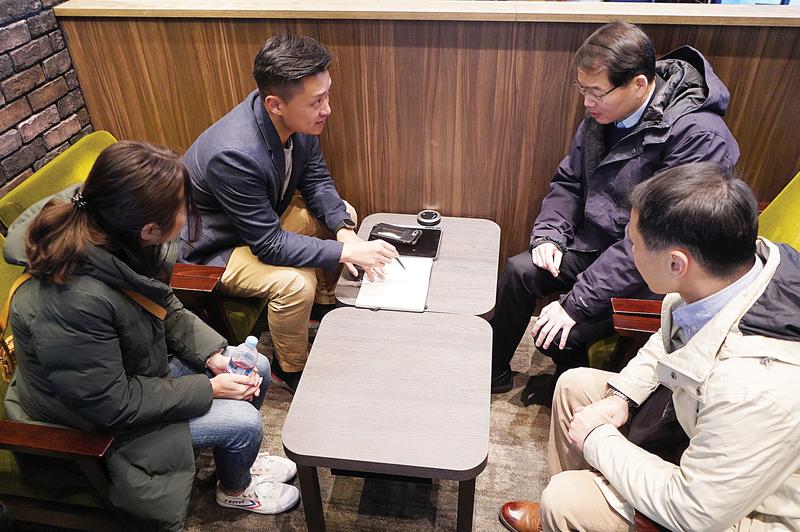
Zhan Kongchao, counsellor and consul-general of the Chinese Embassy in Japan, met Cheng’s plane. There, inside the airport, Cheng communicated the urgent requests from Hong Kong passengers to Zhan, while Zhan briefed Cheng on the condition of the Hong Kong passengers. On that day, 355 passengers, including 21 from Hong Kong, were confirmed infected and sent to local hospitals for treatment.
The 15-minute talk at the airport ended with Zhan’s inviting Cheng to the embassy’s office. There officials from the Hong Kong Immigration Department, the Security Bureau, the Chinese Embassy and Cheng held a meeting to discuss detailed plans for evacuating the ship. “Everything went so quickly, but it was organized. I thought if the passengers had known of the efforts being made outside the ship, they would have felt a bit more secure,” Cheng said.
Life onboard
From the balcony of his room, Hui gazed out at the calm sea, alert, waiting for the knock on the door telling him he was free. He knew it would not come soon. He and his wife, both in their 50s, were considered “young” among the passengers.
The couple has not stepped out of their 200-square-foot room during their quarantine. Their life became a routine. Between three meals sent to their room, they exercised, watched television and talked with friends and relatives by phone.
“Life in confinement was not boring, to be honest. But it really burned you,” Hui said. Official data show that from Feb 4 to 18, the average confirmed cases onboard the ship was 48 per day.
Hui’s anxiety was shared by another Hong Kong passenger surnamed Chik, a 61-year-old housewife with a chronic illness.
She had taken enough medicine onboard but that did not ease her anxiety. “I worried every day. It’s inhumane putting us in the same space with those who might have caught the disease,” Chik told China Daily in a phone interview.
Chik had lived in a room with no windows or balcony. “You can’t stay inside a room like that for 14 days. You would go crazy,” Chik said. So when the captain notified passengers that there would be a one-hour break every day for going on the deck for some fresh air, Chik was happy for the opportunity.
She geared up for each outing: wearing a hat to cover the hair, sun glasses to protect her eyes, a face mask and a pair of gloves. Back in her room, Chik gave herself a complete scrub.
Meanwhile she drank lots of water every day. “That’s the only way I could think of to enhance my immunity,” the housewife said.
The Hong Kong government announced, on Feb 17, that it had chartered two flights to Japan to pick up the stranded Hong Kong passengers. The first flight was scheduled for take-off on the evening of Feb 19.
Hui and Chik were relieved to hear some good news, at last. They were unaware that the Chinese embassy was having a tough time arranging buses to take them to the airport.
On Feb 17, three private bus companies in Japan declined to take the passengers to the airport.

Coming home
Liu Danhong, a Chinese expatriate who has lived in Japan for 30 years, owns a private bus company she established 20 years ago. That company was the last hope the Chinese embassy had.
The veteran business woman was torn when she put the question to the 20 Japanese bus drivers who worked for her. “I wanted a ‘yes’ from them. But I didn’t want them to become victims of the virus,” Liu said in a video interview with China Daily.
Liu also wondered if the Japanese drivers would be prepared to put themselves at risk to transport groups of Chinese nationals. “Would they be willing to save my compatriots?” Liu said she had no idea how they would react.
After she posed the question, the room hummed with the voices of the drivers talking about her proposal. After a while, one driver, in his 50s, stood up and spoke to the room, “Our boss was among the first to offer help to Japanese people after the Mar 11 (Fukushima) earthquake. This is our chance to do something in return.”
On Mar 11, 2011, a magnitude 9.0 earthquake struck Japan, setting off a tsunami that devastated the northeast coast and resulted in the world’s second-worst nuclear disaster after Chernobyl.
On the night of Feb 17, 2020, fifteen bus drivers signed up for the mission.
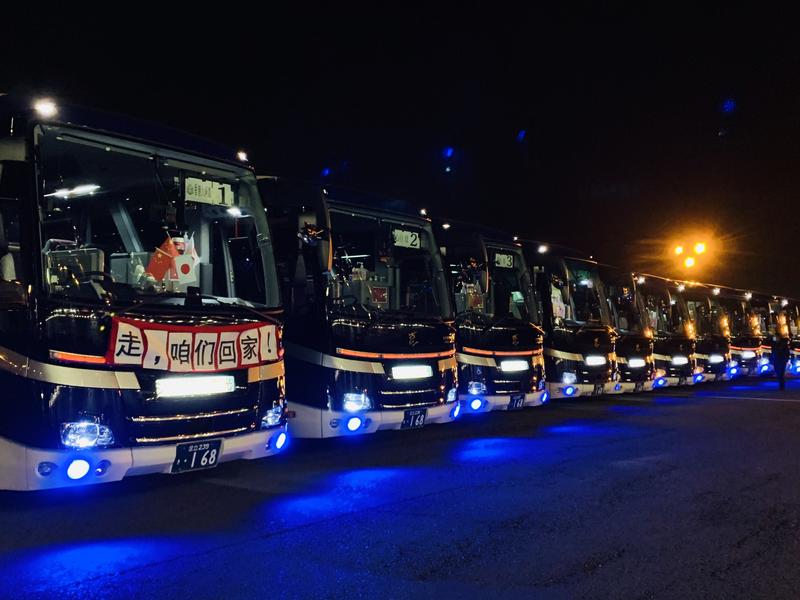
They arrived at the port around 4:30 pm of Feb 19. On the first bus leading the fleet, was a banner reading “Let’s go home”. It was Liu’s idea. “I am not good with words. But I was sure ‘Let’s go home’ was the wish in every passenger’s heart,” she said.
The first 106 Hong Kong passengers were sent to Haneda Airport at around mid-night that day. Neither Chik nor Hui were among the first group. Their virus test results were not back.
Chik was among the second group to board the Hong Kong government’s second chartered flight on Feb 21. When she disembarked from the ship, she saw the buses and the banner. “I finally felt secure when I saw the buses. I knew I was heading home,” she said.
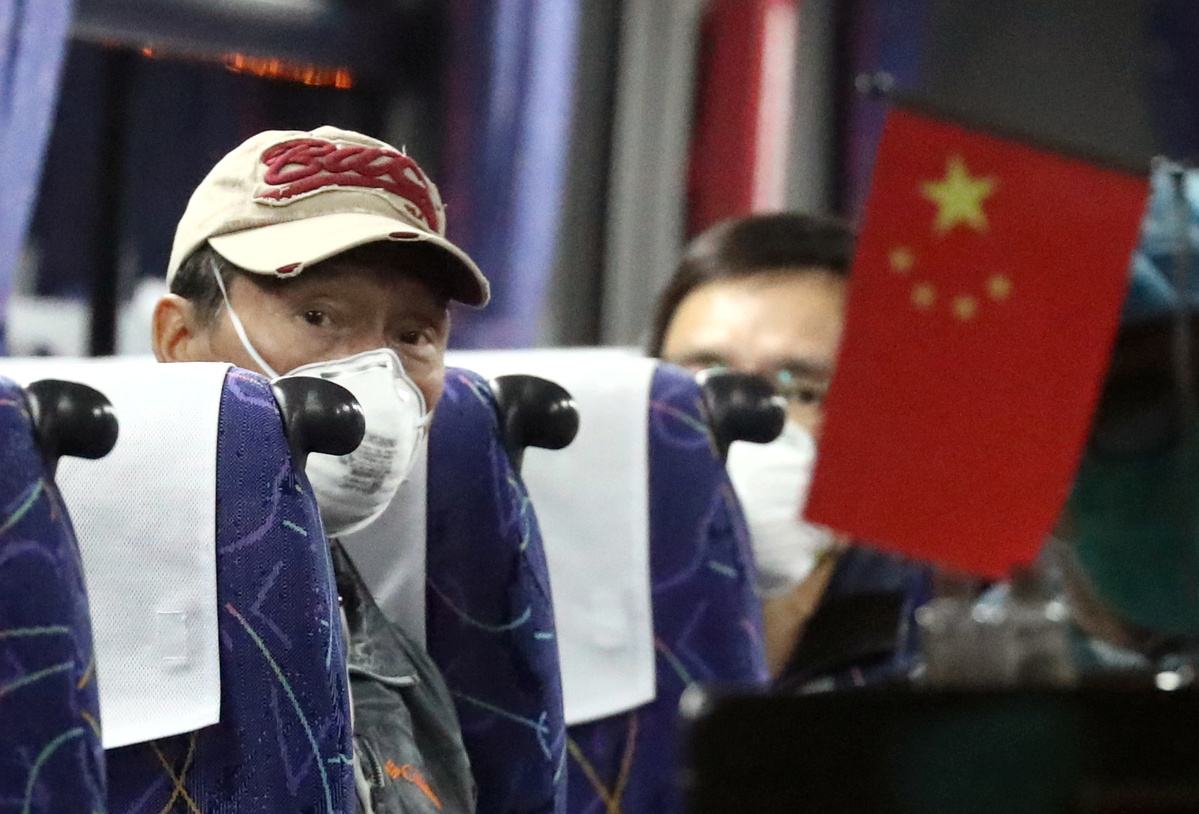
During the nearly one-hour ride to the airport, Chik recalled nobody had much to say. No more than two passengers were allowed to sit in the same row. “But you could feel the excitement underneath,” Chik said.
The 15 Japanese drivers worked in shifts to complete the three-day evacuation to get 188 Hong Kong passengers back home.
Hui’s results arrived on Feb 22. He missed the two chartered flights but managed to book a flight back to Hong Kong on Feb 24. Only after booking his flight did he learn that the Hong Kong government planned a third chartered plane. “I would not blame the government. In fact, I think Hong Kong immigration officials were doing a good job. They were efficient and responsive,” he said.
Unfinished story
The Japanese authority announced on March 15 that all virus tests were completed and a total of 712 people onboard the luxury liner were infected by the novel coronavirus, including 74 from Hong Kong.
It has been a month since the 225 Hong Kong passengers stranded aboard the Diamond Princess came home. All were sent to Chun Yeung Estate for a 14-day mandatory quarantine when they arrived. Among them, nine were found to have contracted the disease.
The story has not ended. The Immigration Department reports that there are still 11 Hong Kong residents infected with the disease onboard the cruise ship being treated in Japan as of March 16.
Lawmaker Cheng is working with the Hospital Authority and the Department of Health to see what assistance can be provided to the virus-stricken patients. He told China Daily there have been meetings between doctors in Hong Kong and Japan to discuss treatment for the Hong Kong patients in Japanese hospitals.
Life is slowly returning to normal for those flown home. Hui and Chik spent their 14-days in quarantine in Hong Kong, and returned to their families whom they had not seen for over 40 days. They said instead of having the trip of a lifetime, they had lesson of a lifetime — to cherish your family and friends, and have faith in your city.