Vulnerable countries can learn lessons from China







Vulnerable countries voiced frustration as the United Nations climate change negotiations ended in Madrid on Dec 13 after nearly two weeks of talks. Although the talks helped to marshal more than 80 countries to back stronger climate action in 2020, nations responsible for climate change came up short again.
Climate change pressures have come to a boiling point, with unprecedented shocks and simmering changes felt almost daily around the world.
The climate talks opened in Madrid with a media event organized by the 48-government Climate Vulnerable Forum, attended by UN Secretary-General Antonio Guterres, Bangladeshi Prime Minister Sheikh Hasina Wazed and Costa Rican President Carlos Alvarado.
It was again left to the small nations battered by climate crisis to deal with the fate of front-line communities. They reached out to China, which first came to their aid as the Marrakech negotiations wrapped up in 2016.
Minister Xie Zhenhua, then head of China's delegation to the 2016 UN Framework Convention on Climate Change talks, said at the Climate Vulnerable Forum high-level meeting in Morocco: "China notes the important role that the CVF plays in pursuing a 1.5 C world, and we applaud the collective voice of vulnerable countries to take climate action. China responds positively to the world's call to ensure economic development and climate protection." (Countries are seeking to limit global temperature increase to 1.5 C above pre-industrial levels.)
We share far more problems than many imagine. Typhoon Haiyan, for instance, devastated the Chinese seaboard as well as the Philippines. Rising seas that threaten Dhaka and Manila are posing risks to Shanghai. The same glaciers whose disappearance threatens the Yellow and Yangtze rivers also puts into question the future of the Brahmaputra River, which flows through China, India and Bangladesh, and the hopes for prosperity of Bangladesh and other South and Southeast Asian nations.
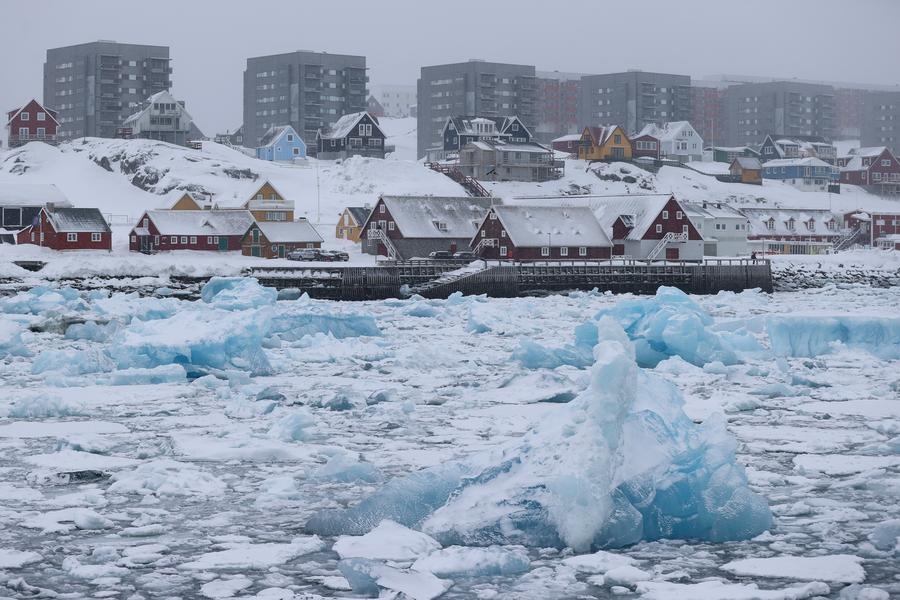
The effects of climate change are most severe for countries dealing with geographical vulnerabilities such as low elevation and rain-fed agriculture.
The desire of vulnerable countries to transition to resilient, sustainable economies is dampened by expensive financing. Today, they face the reality of up to 10 percent higher capital costs on average, with another 10 percent capital premium predicted to apply over the next decade due to their climate vulnerability.
Bangladeshi Prime Minister Hasina rightly said at the opening of the Madrid climate talks: "In a further injustice, the vulnerable nations have been leading with ambition"-despite the fact that climate action is structurally and financially easiest for the richest, most advanced nations.
Climate support generally derives from developed countries, especially in Europe. European institutions are making good use of the European Union and international climate finance structures, for example to support investment funds that channel capital resources, subsidized by public finance, into ownership stakes in low-carbon investments in developing countries.
Yet most vulnerable countries have more to learn from fast progressing developing countries like China.
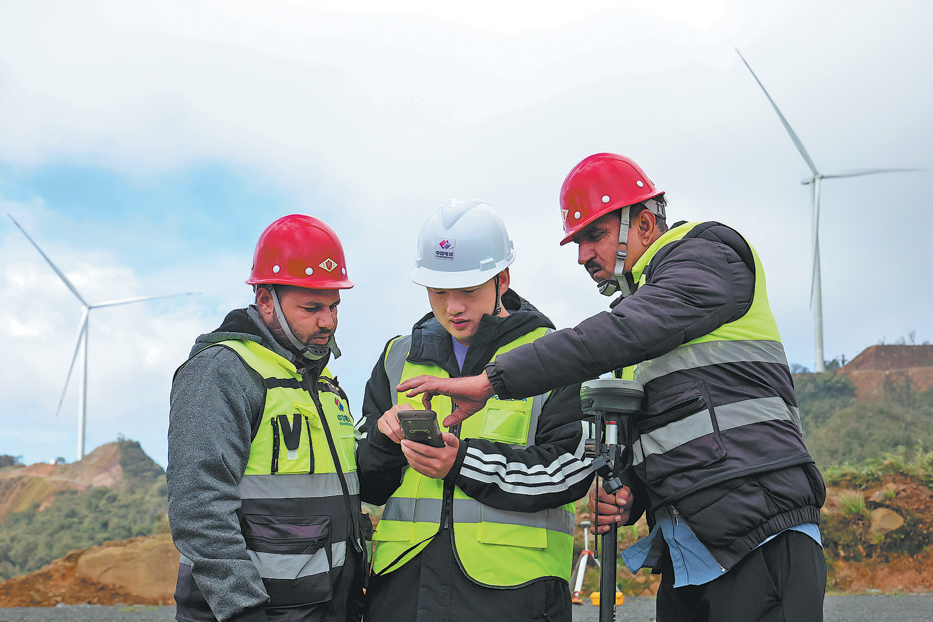
China leads the world today in renewable energy technologies. Vulnerable nations in the Climate Vulnerable Forum seek access to acquiring such technologies in order to pursue similar approaches.
There is much to learn from China's experience with buildings and roads, advanced insulation, dikes and much more at a time when climate change presents for most vulnerable nations a daunting infrastructure challenge.
Conventional alliances, where the West reaches out to the climate vulnerable "global South", make sense. Another alliance, however, would see key leaders outside the West, such as China, joining hands with CVF countries. This would be a strategic combination for climate protection and a most sensible global development and investment approach for China's partners.
Saleemul Huq is director of the International Centre for Climate Change and Development, a Dhaka-based think tank. Renato Redentor Constantino is executive director of the Manila-based Institute for Climate and Sustainable Cities. The views do not necessarily reflect those of China Daily.