Smart learning training program attracts high-level educators







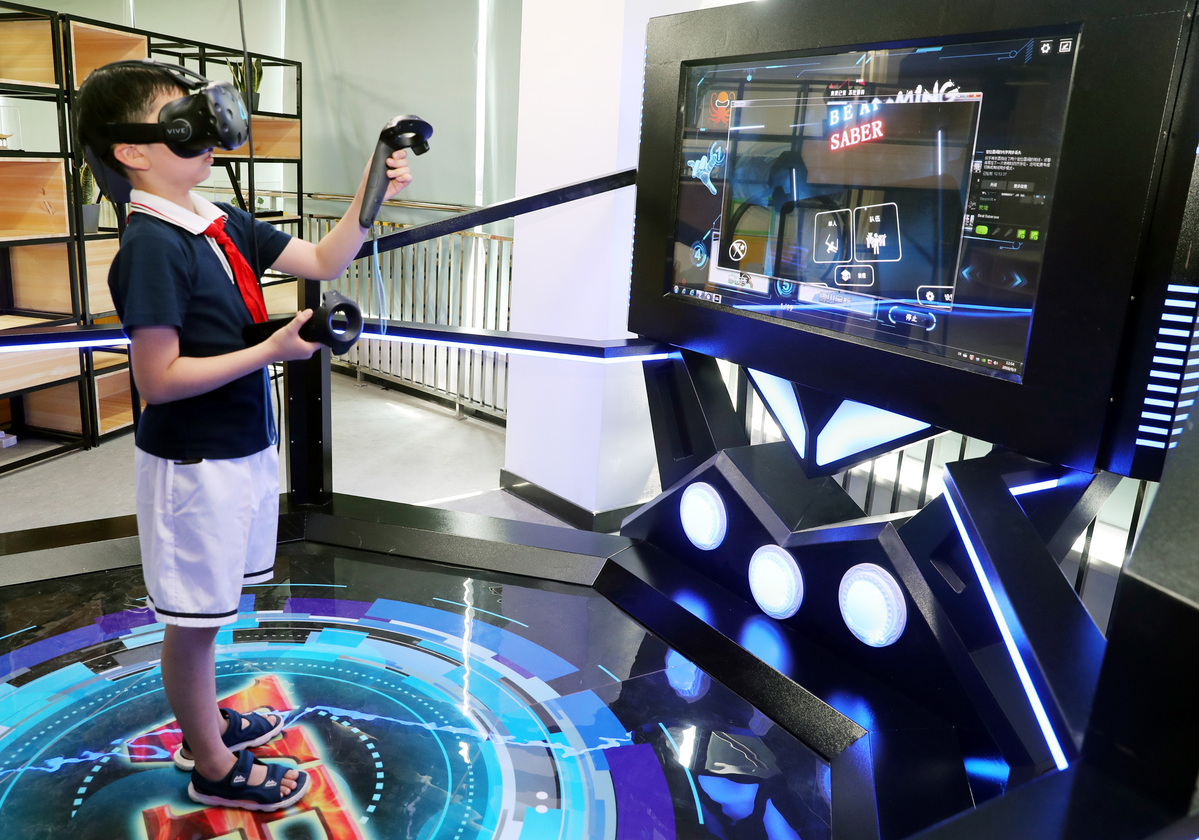
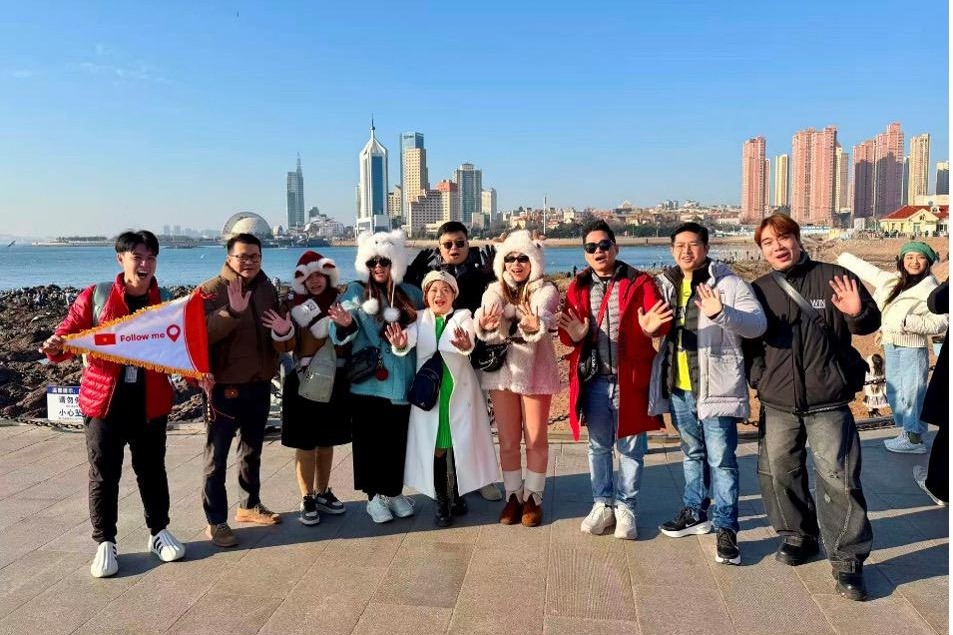
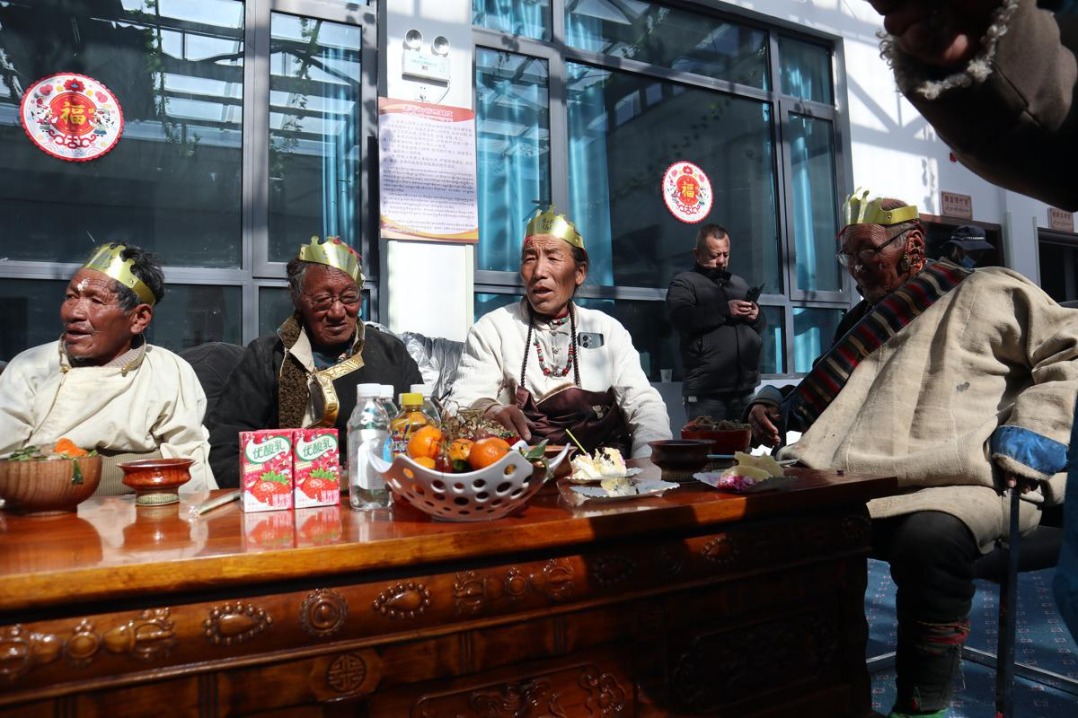
Under the Belt and Road Initiative, the Smart Learning Institute of Beijing Normal University launched its second training program, which attracts high-level foreign talents to come to China and explore technological innovations in education. I was privileged to be selected to attend the program and visit key research and educational institutions in Beijing.
One of the places of interest we visited was the research hub of Huawei, China’s leading technological and smart device company. We were introduced to the company’s recent advancements in education through the use of information and communication technology. For instance, the company has established smart campuses and classrooms with sophisticated technical integration and solution design to support management and improvements in education and teaching. One device in particular that made a great impression was the use of facial recognition that analyzes students’ engagement and behavior in class. The data collected from this device can positively influence classroom dynamics between teachers and students. Teachers can now detect underperforming or misbehaving students and their adaptive learning behavior, which leads to more efficient management and decision-making vis a vis student challenges and needs.
China’s large population and its rapid development pose various challenges, particularly in education. Among these is the existing gap between rural and urban areas in terms of teachers and the quality of education. information and communication technology integration promises to narrow this gap through teacher support in rural areas to access high-quality educational resources and use the technology as a powerful tool to help them with more effective delivery of the curriculum.
For example, there are schools that record their lectures and distribute them to schools in the rural areas and villages where resources are scarce. Recent research shows a significant impact on children’s learning and improved test results in these areas.
The use of modern technology and innovations has undeniably become a part of our daily lives and the effectual integration of it in education is still in a developing stage.
In a sit-down interview with one of Smart Learning Institute’s brilliant minds, Dr. Zhiying Nian, a lecturer at the Harvard Design and Learning Project, reiterated the advantages of information and communication technology usage in learning, and also warned us to be cautious on how we use technology in education.
“As educators, it is not only to employ technology as it is, but we need to think of what is fit for human development”, she added.
The Belt and Road Initiative revitalizes the degree of collaboration, connectedness and harmony in different countries that the world has never seen before. For this to transpire, education plays a vital role. Education serves the initiative in two intertwining ways—as a mechanism and a beneficiary. Through educational exchanges and learning activities, students from both ends can have deeper understanding of the opportunities that arise from the initiative and learn the necessary skills and demands for this project. It also disentangles cultural and linguistic barriers that betters communication and understanding between China and its partners. Furthermore, social and economic institutions in developing countries can certainly be strengthened because of this initiative, which ripples back to bolster their education sectors as well.
The Philippines has since joined the initiative and has brought upon fruitful engagements with China. The pinnacle of the Philippine government’s socioeconomic agenda lays on its infrastructure program, which banks on building more transport systems, other social infrastructure for energy and water sources and information and communication technology. With this large-scale schema, China and the Philippines have not just been partners in groundwork but also in knowledge sharing and academic exchanges. Both countries can learn from each other while deepening mutual trust and improving bilateral relations.
Reflecting on my experience in this program, a scholar from the institute asked when I return to the Philippines, what would I take from the Chinese educational system. For me, beyond the revolutionary technological innovations used in Chinese classrooms, the most important takeaway is the promise of where education is headed. Education in China is not perfect, no system in the world is. But China is open—in the very essence of this word. Open for opportunities to learn, create and most especially, open to share it with the rest of the world.
Paul John Edrada Alegado is a research associate at the International Network on Gender, Social Justice and Praxis (University of Newcastle, Australia) and a PhD research scholar at the Institute of International and Comparative Education (Beijing Normal University, China).
The opinions expressed here are those of the writer and do not represent the views of China Daily and China Daily website.