High-tech can't develop under hawkish rules and regulations







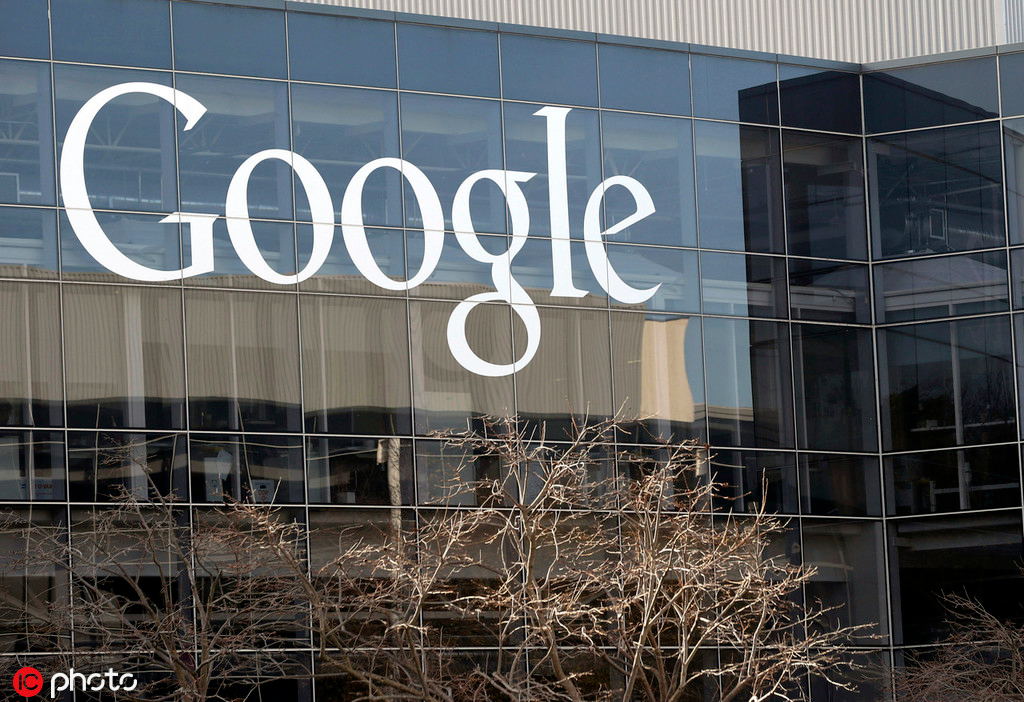
The United States House of Representative has decided to launch antitrust investigations against some high-tech companies including Google, Apple and Amazon, which have been accused of illegal and abusive practices. But since any probe against these companies, which enjoy unparalleled power and influence in the telecom and internet fields worldwide, could affect the development of the digital economy, the US House' decision has aroused concern.
Given the differences in traditional manufacturing and service industries, the investigation is seen as a test for not only telecom service providers' behavior but also the effectiveness of US laws and regulations related to the digital economy.
The US' leading high-tech companies have played a key role in developing the global digital economy. They have even set the rules for competition in various sectors including social media, e-commerce, mobile payment and artificial intelligence. Although these industry giants compete with each other in different fields, which has possibly prevented monopolies from being formed, there is no denying that they have created barriers to competition, especially for new market players.
Compared with the traditional manufacturing sector, high-tech enterprises have an advantage when it comes to human resources and know-how. Plus, they have to invest heavily in advance while facing more risks owing to uncertain market conditions. But the higher the investment and risks, the more the returns the high-tech giants can get. As for small and medium-sized enterprises, many of them choose to withdraw from the market as they cannot afford the cost of competition, while the new market players do so for being unfamiliar with market rules.
The high-tech industry leaders use various measures such as patent pools to protect the "uniqueness" of their products and services, creating an unbreakable barrier for the new market participants. And the lengthy examination cycle of the US judicial system means high-tech giants have much room and time to respond to the charges and adjust their operations.
Still, to promote technological innovation, high-tech enterprises have to invest continuously, and the threat of judicial review may prevent them from doing so. To avoid more serious administrative actions against them, such enterprises could change their market development strategy, including ceasing cooperation with other companies.
The digital economy has witnessed rapid development in recent years, because high-tech companies have invested have invested heavily in R&D which in turn has expanded their markets. However, there is still a wide gap between the major economies' development models and their security policies when it comes to the digital economy.
Since the existing laws and regulations are not particularly favorable to the digital economy, it is difficult to supervise trade activities related to content service. Due to a lack of appropriate laws and regulations, the supply and demand relationship in most innovative fields is at best fragile. By launching the antitrust probe against the high-tech giants, the US believes it can plug the loopholes in the laws and regulations, and set a legal precedent, so as to provide the basis for the normal development of the high-tech market.
The US tends to regard its domestic laws as international laws. And the US administration seems more determined to follow this policy now that it has adopted an "America first" strategy to exert its supremacy in technological innovation, which could disrupt technological innovation and development worldwide.
The author is vice-director of America and Oceania Research Institute, Chinese Academy of International Trade and Economic Cooperation. The views don't necessarily represent those of China Daily.