Machine translation still needs human aid







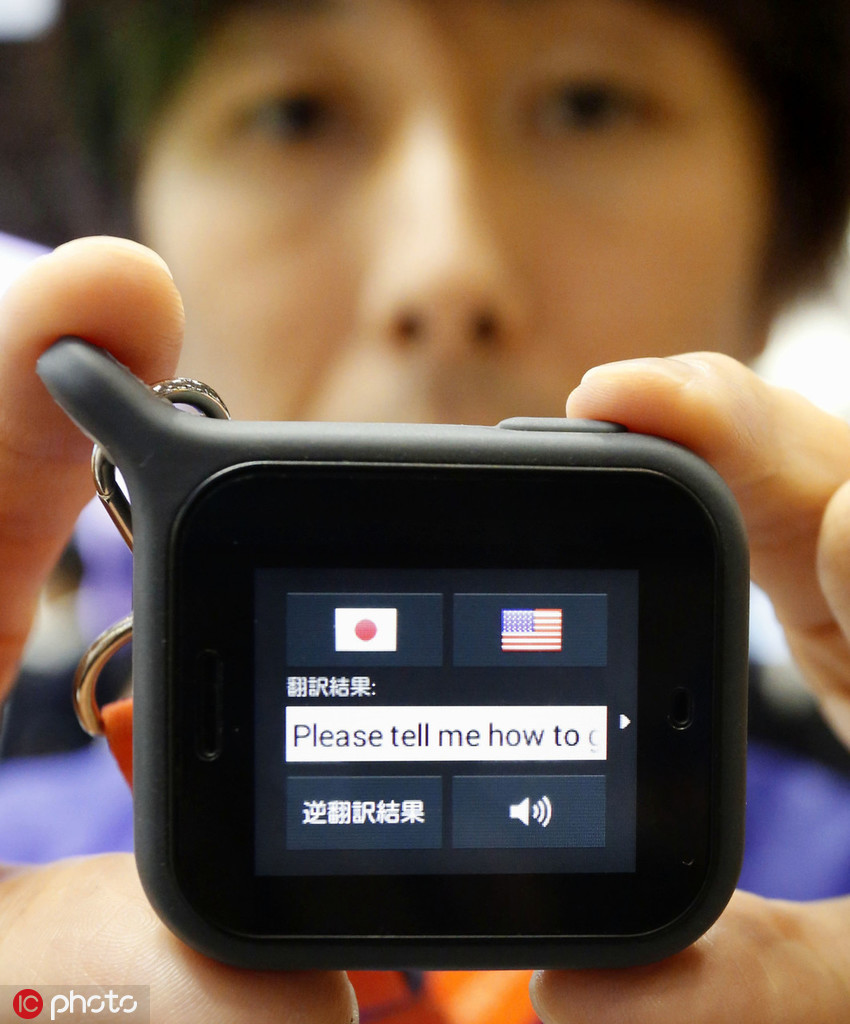
In today's highly wired communication world, scholars and practitioners of translation studies cannot turn a blind eye to machine translation. The easily available translation tools deliver fast, free and targeted content. But are they a match for innate human skills?
A new International Organization for Standardization standard for machine translation, also known as MT, has been drafted and is ready for publication. Although it recognizes the unstoppable growth of such systems, this standard also warns that there is no machine translation system "with an output which can be qualified as equal to the output of human translation".
Research in the area of machine translation, the automatic translation of text from one language to another using a computer application, and related subdomains-for example, neural machine translation, translation memories and computer-assisted translation-is increasing. Research focused on machine translation is further spurred by a quest to better understand the impact that machine translation has on productivity, sustainable quality and translators' ergonomics.
In 2016, Arle Lommel, senior analyst at market research company Common Sense Advisory Research, predicted that "the majority of multilingual enterprises will use machine translation in 2019 in some form, with post-edited MT the fastest growing sector". According to CSA Research, human translation is seen to be growing as well, albeit at a slightly slower pace.
The ISO standard rightly underlines the relevance and quality of human translation, contending that human translators will still be the sole proprietors of the desired level of quality. The standard links human quality to machine translation quality and suggests new ways of reaching this level of perfection, which will be a key part of translation studies curriculums in the future.
Human translation done on a blank sheet of paper will be replaced by "human quality" revision, or post-editing, of machine translation that is printed out and whose quality can range in quality from acceptable to mediocre.
Machine translation seems to have triggered a new quality assurance model in which revision is increasingly being rebranded as post-editing. In business terms, post-editing refers to the increase of productivity, while in educational and academic terms, it generates curriculum updates and new research opportunities on account of their mission of staying connected to professional and academic needs.
A collateral benefit of post-editing is that the professional status of translators may take a positive turn. Having built expertise in domain-specific phrases and terms, the new translator/post-editor will remain a respectful professional.
In order to "teach" their machine translation systems, translation software providers have started to integrate their customized and client-specific translation memories into their machine translation systems. Accordingly, their static translation memories become dynamic, machine translation-based output that can be filtered by source and target languages and domains.
Such customization allows human translators-today's post-editors-to render translation output of the highest quality. When translators are linked to collaborative translation platforms so that they can exchange idiomatic expressions, phrases and terminology, the quality of the translations increases even more.
Translation curriculums worldwide need to be conscious of the trends in the translation profession. Customized machine translations and post-editing will play a more prominent role in the updated programs.
At the same time, it should be kept in mind that graduates should always master the fundamentals of translation principles and strategies, since they will be the key decision-makers in the final translation output. In addition, they will need to understand cultural, institutional and linguistic factors typical of the target audiences.
The author is professor and director of translation and interpreting studies at the College of Humanities and Social Sciences at Hamad Bin Khalifa University in Qatar. The views do not necessarily reflect those of China Daily.