Joint efforts needed to prevent conflicts at sea







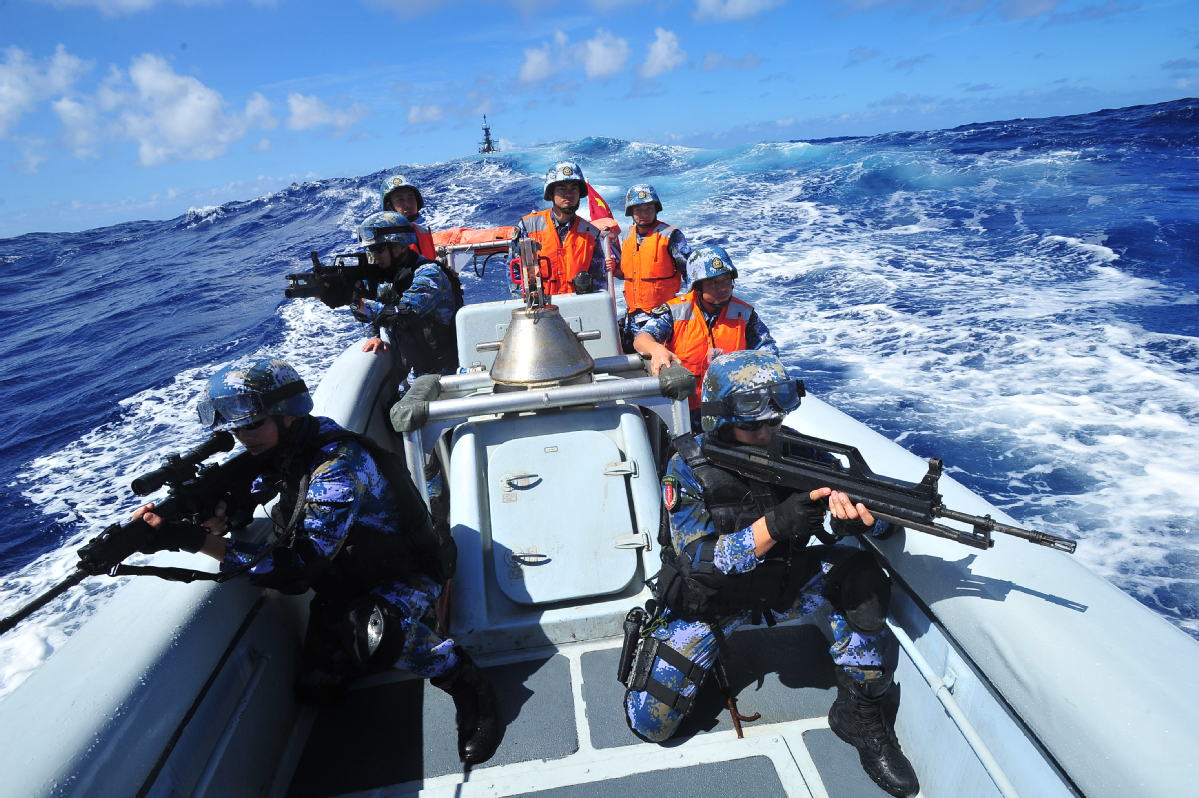
Remarks by Senior Colonel Zhou Bo, director of the center for security cooperation at the Office for International Military Cooperation at the Ministry of National Defense
Nearly 90 percent of global trade is maritime trade, therefore maritime security is of vital importance to all countries. As the world's largest trading and exporting country, China attaches great importance to maritime security. China's initiative to jointly build the 21st century Maritime Silk Road is aimed at promoting maritime connectivity and practical cooperation in various fields, as well as promoting common security through economic development.
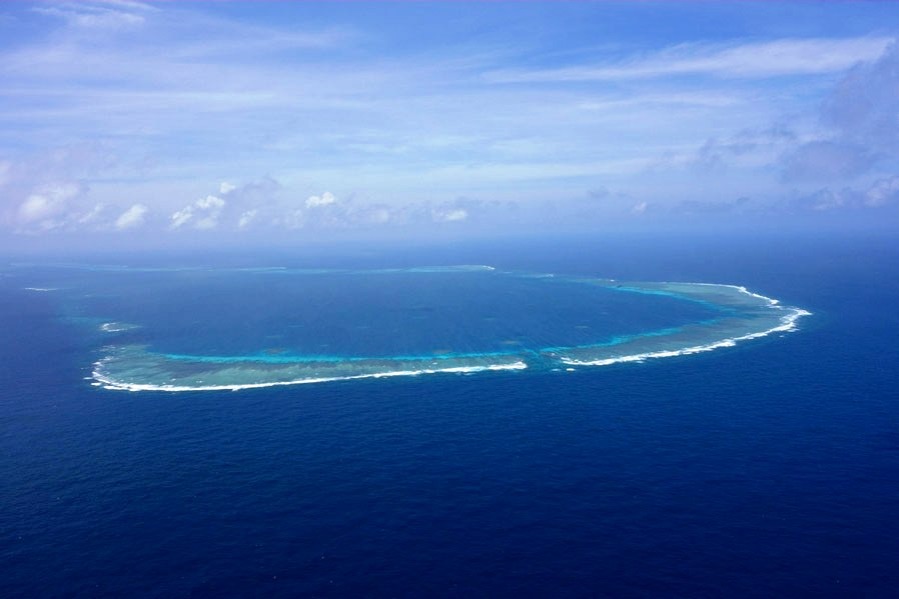
At present, there are no major threats to global maritime security, but nontraditional threats such as piracy, maritime terrorism, trafficking in human beings and drugs, and natural disasters still exist. In the Asia-Pacific region, the overall maritime situation is stable. However, some countries outside the region, in disregard of the concerns of coastal countries, persist in military activities at sea and in the air, such as high-intensity and large-scale close-in reconnaissance. Differences in the interpretation of international law by states and in domestic law increase the risk of accidents and conflicts. The situation in the South China Sea is polarized. On the one hand, with the smooth progress of the negotiations on the code of conduct in the South China Sea between China and ASEAN countries, the situation in the South China Sea has calmed down significantly. On the other hand, some countries outside the South China Sea have obviously violated their commitments of not taking a position on the South China Sea issue, and have openly increased their involvement in the South China Sea, thus making the factors of instability in the South China Sea significantly rise.
The Chinese armed forces are committed to working with the armed forces of other countries to safeguard maritime security. China has established direct defense department telephonic links with the United States, Russia, the Republic of Korea, Vietnam and other countries, and has held extensive dialogues and consultations with relevant countries on maritime security. China and the US established the Military Maritime Consultation Agreement in 1998. After 10 years of negotiations, the Chinese and Japanese defense departments signed a maritime and air liaison mechanism in 2018. In accordance with the Agreement on Basic Principles for the Settlement of Maritime Issues between China and Vietnam, the two sides have so far conducted 25 rounds of joint patrols in the Beibu Gulf. The Chinese military has actively participated in the ASEAN regional forum and all maritime security cooperation under the ADMM-PLUS framework. China has repeatedly expressed its willingness to discuss with ASEAN the establishment of a China-ASEAN defense direct telephone line. China and ASEAN countries have reached a single consultation draft on the code of conduct in the South China Sea, and the consultations are progressing smoothly.
There is no doubt that these consultations and dialogues and cooperation have played a positive role in promoting maritime security and avoiding maritime incidents and conflicts. However, how can we eliminate security risks and promote maritime security? We believe that:
First, reduce and avoid close military activities that are viewed by the other side as unfriendly or even hostile. This is the most direct and effective way to avoid conflict at sea. There are quite a few established mechanisms at sea, such as Convention on the International Regulations for Preventing Collisions at Sea (COLREGs), Code of Conduct for Unplanned Encounters at Sea (CUES) of the Western Pacific Naval Symposium, the Rules of Behavior for Safety of Maritime and Air Encounters between the Chinese and American Militaries, and the China-Japan Maritime and Air Liaison Mechanism. It should be noted that most of the existing rules are arrangements for accidental encounters. But tactical arrangements work best when both sides have a strategic consensus that they do not conflict and do not confront each other, and if one side deliberately provokes the other, it is difficult for the other side not to react.
Second, we should further encourage Asia-Pacific countries to conduct dialogues and drills on avoiding dangerous military activities at sea and in the air. So far, China has established defense consultation and dialogue mechanisms with 42 countries and international organizations around the world, out of which a considerable number of them includes discussions on maritime security issues. China has conducted joint naval exercises with many countries. Last year, China and the ASEAN held a joint naval exercise in Zhanjiang, Guangdong province, for the first time. This year, China also held a joint naval exercise with Southeast Asian countries in Qingdao, Shandong province. These naval exercises can enable officers and men on the front line to follow good seamanship, reduce the risk of miscalculations, increase understanding, and cultivate the habit of cooperation. The Chinese side hopes that such joint military exercises will continue in the future.
Third, China and the US should cooperate rather than confront each other on freedom of navigation. Neither China nor the US want a military conflict at sea, and both agree on the principle of freedom of navigation, but the two sides have different understanding of its content and scope of application. As early as in 1998, China clearly stated in the law of the People's Republic of China on the Exclusive Economic Zone and the Continental Shelf that all states shall enjoy the freedom of navigation and overflight in the exclusive economic zone of China on the premise of respecting international law and the laws and regulations of the People's Republic of China. Freedom of navigation in the South China Sea has never been an issue. Therefore, although China and the US have differences in their understanding of freedom of navigation, they should seek common ground while shelving differences. One side should not impose its own unilateral interpretation on the other side, and even send military vessels and aircraft to conduct dangerous military activities in the other side's territorial waters and exclusive economic zone on the pretext of "freedom of navigation". Such activities infringe upon the sovereignty and security of other states and also endanger the safety of American ships and aircraft. As major powers, China and the US bear special responsibility for global security. China and the US have jointly participated in the anti-piracy operations in the Gulf of Aden. This could be taken as maintaining the security of the strategic sea lanes, but also as safeguarding the freedom of navigation. As long as the two sides do not sacrifice each other's security, they can cooperate in safeguarding the freedom of global navigation and provide more public security goods in maritime commons.