Cross-Straits ties haven't reached a crisis point







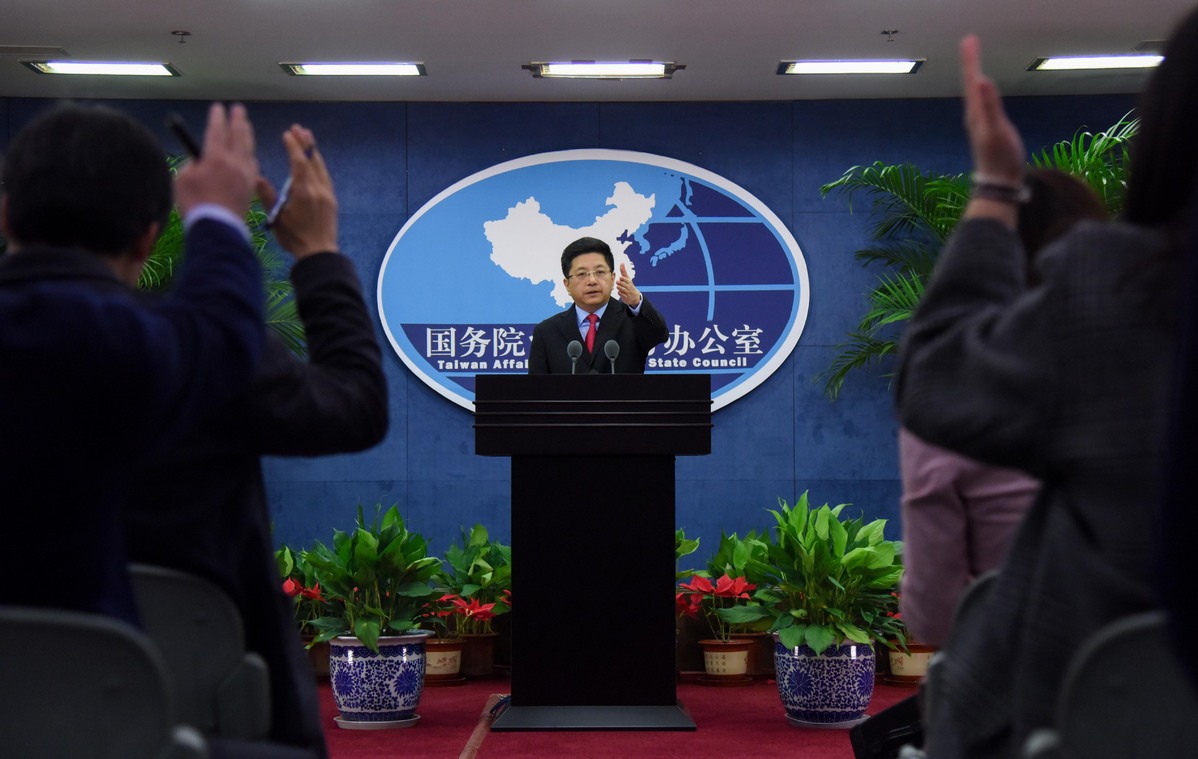
Tensions and security risks may be rising across the Taiwan-Straits, but the situation cannot be called a crisis. Since taking office in 2016, the island's leader Tsai Ing-wen has refused to acknowledge the 1992 Consensus that there is only one China and, instead, pursued the "Taiwan independence" line, which has deteriorated cross-Straits relations.
In order to use the worsening Sino-US relationship last year to her advantage, Tsai tried to join forces with Washington against Beijing and seek advanced weapons and security protection from the US administration, further straining cross-Straits ties.
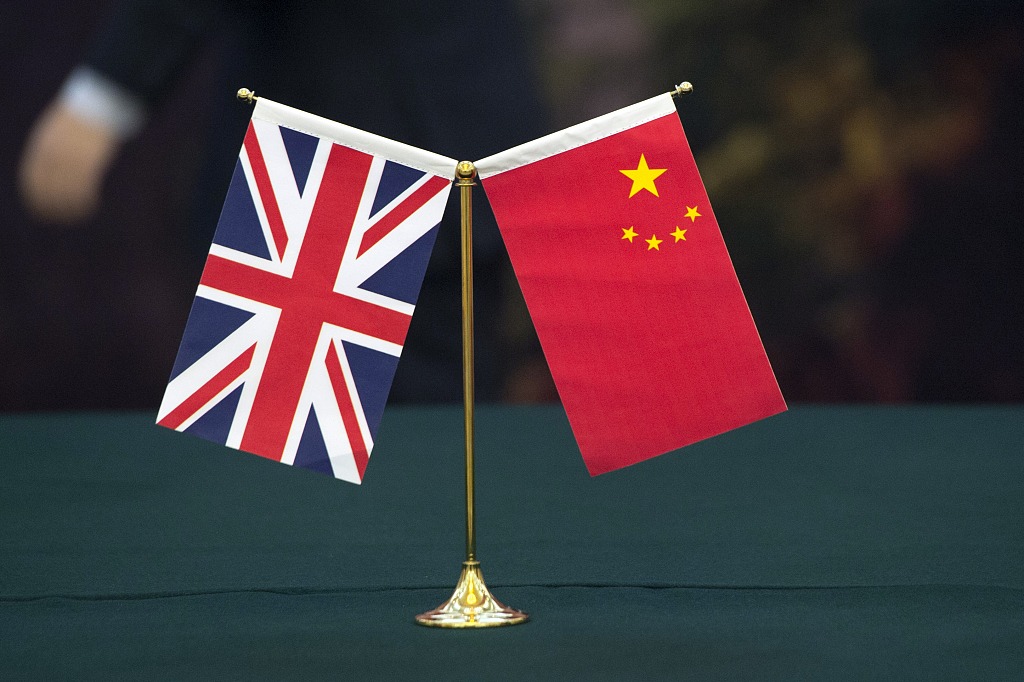
Over the past two years, the US Congress has approved or discussed a number of Taiwan-related moves, including exchange of senior officials' visits, and proposals to hold joint "military drills" and normalization of arms sales to the island. These moves have raised serious questions on the United States' pledge to honor the one-China principle.
Beijing determined to foil 'pro-independence' forces
In the face of policy changes in Taiwan and the US, the Chinese mainland has intensified its countermeasures. Besides holding military exercises, it has increased the number of flights by military aircraft and naval navigation around the island to deter pro-independence forces on the island and warn foreign forces against intervening in its internal affairs. These exercises also serve as a form of military training to prepare for a possible military action to prevent the island authorities from declaring "independence".
The Tsai administration has drastically changed the trend of peace and development across the Straits, which started in 2008 when Kuomintang was voted to power on the island, into one of rising tensions and volatility.
The coming years could witness three possible scenarios. First, tensions could continue. If Tsai wins next year's election on the island and Sino-US relations remain unstable but without deteriorating further, this is the most likely scenario.
Cross-Straits crisis can't be ruled out
Second, a crisis could emerge across the Straits, due to several factors. If Washington were to implement any of the Taiwan-related acts-enhancing the quality and quantity of arms sales to Taiwan, holding a live-fire joint military drill with the island, a US navy vessel calling on a port in Taiwan or a senior US official visiting the island-it will generate a huge storm across the Straits.
"Taiwan independence" forces making desperate attempts to remain in power during the election next year pose another major risk to which the mainland has to respond. Also, with all the three parties increasing military activities in and around the Straits, the possibility of a conflict caused by an accident, miscalculation or misjudgment cannot be ruled out. And given the current tensions, an emergency could quickly escalate into a serious crisis.
Since its founding, the People's Republic of China has gone through three crises with the US over the Straits. All three involved the mainland's military forces targeting the island.
A crisis could lead to a new Cold War
But, compared with the three previous instances, a future cross-Straits crisis will be much more difficult to control and have a much greater impact on cross-Straits and Sino-US relations. This is because the context and status of Beijing-Washington ties have undergone major changes. A new crisis could push the two countries into a new Cold War or, worse, a military conflict. Either way, the impact on cross-Straits and Sino-US relations would be disastrous.
The third possibility is the easing of tensions across the Straits. If a crisis can be avoided in the near term, and if the Kuomintang or a "third force" that acknowledges the 1992 Consensus wins the 2020 election, the situation across the Straits may again become peaceful. Needless to say such a scenario is most conducive to peace and stability across the Straits.
Maintaining peace and stability across the Straits serves the long-term interests of Beijing and Washington, as well as the two sides of the Straits.
For the Taiwan authorities, they must remember two critical points. The ruling party must not use cross-Straits tensions to garner votes in next year's election. And the leader who wins the election should accept the basic position that both sides of the Straits are part of China, in order to ease tensions across the Straits.
Mainland should pursue peaceful reunification
As for the mainland, its firm belief that time is on its side is critical. Proceeding from this belief, the mainland should pursue its basic policy of peaceful reunification and common development across the Straits in order to bring tangible benefits to Taiwan compatriots while intensifying the fight against "Taiwan independence" forces. This will greatly influence the move to pursue peaceful development across the Straits.
The US, on its part, would better serve its interests by sticking to its pledge to honor the one-China principle. It should not give any signal to the "Taiwan independence" forces or try to play the Taiwan card against Beijing.
This is to say that to stabilize Sino-US relations, Washington should avoid creating a crisis across the Straits. And the two sides should also make greater efforts to better manage their disputes so as to prevent potential new crises from emerging across the Straits.
The author is director of research, China Foundation for International Strategic Studies. Source: chinausfocus.com The views don't necessarily represent those of China Daily.