
<tt id="6hsgl"><pre id="6hsgl"><pre id="6hsgl"></pre></pre></tt>
          <nav id="6hsgl"><th id="6hsgl"></th></nav>
          国产免费网站看v片元遮挡,一亚洲一区二区中文字幕,波多野结衣一区二区免费视频,天天色综网,久久综合给合久久狠狠狠,男人的天堂av一二三区,午夜福利看片在线观看,亚洲中文字幕在线无码一区二区
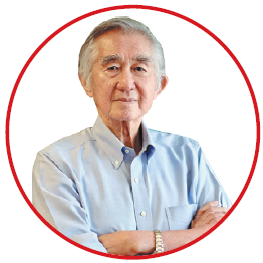
          Liu Thai Ker
          Urban planning adviser
          BORN:

          Singapore, Feb 23, 1938

          EDUCATION:

          1962: Bachelor of architecture, University of New South Wales

          1965: Master's in city planning, Yale University

          1995: Doctor of science (honorary), University of New South Wales

          CAREER:

          1969-89: Chief architect and CEO, Housing and Development Board of Singapore

          1989-92: Chief planner and CEO, Urban Redevelopment Authority of Singapore

          1996-2005: Chairman, National Arts Council of Singapore

          2000-09: Chairman, Singapore Tyler Print Institute

          1992-2017: Senior director, RSP Architects Planners and Engineers

          2008-present: Founding chairman, advisory board of the Centre for Livable Cities

          2017-present: Chairman, Morrow Architects& Planners

          AWARDS:

          2001: Medal of the City of Paris, France

          2014: Business China Excellence Award

          2015: Singapore Institute of Planners' Distinguished Lifetime Achievement Award

          MAJOR PROJECTS IN CHINA:

          1997: Fuzhou Changle International Airport, Fujian province, 120,000 square meters

          2002: Huafa Xincheng, Zhuhai, Guangdong province, 450,000 sq m

          2011: Weifang Cultural Center, Shandong province, 294,000 sq m

          2011: Guilin Watermark Lijiang Residential Development, Guangxi Zhuang autonomous region, 116,000 sq m

          AWARDS FROM CHINESE AUTHORITIES:

          2011: China Construction Engineering Luban Award for Weifang Workers' Hall and Youth Hall

          2015: Jinan Wenbo CBD Planning Award

          2016: Weifang Planning Award

          The man who helped design China's urban landscape

          Since meeting with Deng Xiaoping in 1978, Singaporean has helped plan nearly 50 cities nationwide
          Low Shi Ping in Singapore
          Liu Thai Ker talks with local media in Wuhan, Hubei province, on Nov 20, 2013.[ZHANG CHANG/CHINA NEWS SERVICE]

          He is best known as Singapore's "father of city planning", but Liu Thai Ker can also boast of having a hand in shaping the urban landscape in China.

          You could say it started in 1978, when Deng Xiaoping visited Singapore.

          "I was asked to take care of him as I could speak Mandarin well," recalled Liu, the chairman of Morrow Architects & Planners, who served as chief planner and CEO of Singapore's Urban Redevelopment Authority from 1989 to 1992.

          Deng was taken to the rooftop of the Ministry of National Development building, where Liu explained Singapore's urban planning.

          "I like to think that partly because of that, when Deng went back to China a few months later, he made the announcement (that China would learn) urban planning from Singapore," Liu, 80, said.

          Back then, Liu was a junior staff member at the Housing and Development Board of Singapore, where he rose to become chief architect and CEO.

          "I was an ignorant young man, but I knew that Deng was a very important reformer for China," he said. "He was very down-to-earth with no airs. He asked pointed, practical questions. I was very comfortable briefing him. He made a very good impression."

          A year later, Liu made his first visit to China, where he made stops in Beijing, Tianjin and Shanghai, and had the chance to see the country at the start of reform and opening-up.

          "I saw the historic parts of Beijing, with a lot of siheyuan," he said, referring to the capital's traditional courtyard homes. "Unfortunately, most of them are gone already.

          "In those days, people in the street wore either black or blue colors. They were very drab-looking, and yet the historic buildings were so beautiful."

          It wasn't until the early 1980s that Liu received his first commission to plan a city in China - Fuzhou, the capital of Fujian province - through the Singapore government.

          His experience on the topic stems from planning new towns for Singapore, each capable of accommodating about 200,000 people. By the end of his 20-year HDB career in 1989, he had created 23 new towns, including public housing and complementary facilities and amenities for their residents, such as playgrounds for the children, and community centers for recreational activities.

          "When I did the planning at HDB, I also planned the surroundings to protect the neighborhoods," Liu said. "This meant I would have to keep updated on the urban plan of Singapore. By extension, I had no problems planning a city."


          1 2 3 Next   >>|
          Liu Thai Ker
          Urban planning adviser
          BORN:

          Singapore, Feb 23, 1938

          EDUCATION:

          1962: Bachelor of architecture, University of New South Wales

          1965: Master's in city planning, Yale University

          1995: Doctor of science (honorary), University of New South Wales

          CAREER:

          1969-89: Chief architect and CEO, Housing and Development Board of Singapore

          1989-92: Chief planner and CEO, Urban Redevelopment Authority of Singapore

          1996-2005: Chairman, National Arts Council of Singapore

          2000-09: Chairman, Singapore Tyler Print Institute

          1992-2017: Senior director, RSP Architects Planners and Engineers

          2008-present: Founding chairman, advisory board of the Centre for Livable Cities

          2017-present: Chairman, Morrow Architects& Planners

          AWARDS:

          2001: Medal of the City of Paris, France

          2014: Business China Excellence Award

          2015: Singapore Institute of Planners' Distinguished Lifetime Achievement Award

          MAJOR PROJECTS IN CHINA:

          1997: Fuzhou Changle International Airport, Fujian province, 120,000 square meters

          2002: Huafa Xincheng, Zhuhai, Guangdong province, 450,000 sq m

          2011: Weifang Cultural Center, Shandong province, 294,000 sq m

          2011: Guilin Watermark Lijiang Residential Development, Guangxi Zhuang autonomous region, 116,000 sq m

          AWARDS FROM CHINESE AUTHORITIES:

          2011: China Construction Engineering Luban Award for Weifang Workers' Hall and Youth Hall

          2015: Jinan Wenbo CBD Planning Award

          2016: Weifang Planning Award

          The man who helped design China's urban landscape

          Since meeting with Deng Xiaoping in 1978, Singaporean has helped plan nearly 50 cities nationwide
          Low Shi Ping in Singapore
          Liu Thai Ker talks with local media in Wuhan, Hubei province, on Nov 20, 2013.[ZHANG CHANG/CHINA NEWS SERVICE]

          He is best known as Singapore's "father of city planning", but Liu Thai Ker can also boast of having a hand in shaping the urban landscape in China.

          You could say it started in 1978, when Deng Xiaoping visited Singapore.

          "I was asked to take care of him as I could speak Mandarin well," recalled Liu, the chairman of Morrow Architects & Planners, who served as chief planner and CEO of Singapore's Urban Redevelopment Authority from 1989 to 1992.

          Deng was taken to the rooftop of the Ministry of National Development building, where Liu explained Singapore's urban planning.

          "I like to think that partly because of that, when Deng went back to China a few months later, he made the announcement (that China would learn) urban planning from Singapore," Liu, 80, said.

          Back then, Liu was a junior staff member at the Housing and Development Board of Singapore, where he rose to become chief architect and CEO.

          "I was an ignorant young man, but I knew that Deng was a very important reformer for China," he said. "He was very down-to-earth with no airs. He asked pointed, practical questions. I was very comfortable briefing him. He made a very good impression."

          A year later, Liu made his first visit to China, where he made stops in Beijing, Tianjin and Shanghai, and had the chance to see the country at the start of reform and opening-up.

          "I saw the historic parts of Beijing, with a lot of siheyuan," he said, referring to the capital's traditional courtyard homes. "Unfortunately, most of them are gone already.

          "In those days, people in the street wore either black or blue colors. They were very drab-looking, and yet the historic buildings were so beautiful."

          It wasn't until the early 1980s that Liu received his first commission to plan a city in China - Fuzhou, the capital of Fujian province - through the Singapore government.

          His experience on the topic stems from planning new towns for Singapore, each capable of accommodating about 200,000 people. By the end of his 20-year HDB career in 1989, he had created 23 new towns, including public housing and complementary facilities and amenities for their residents, such as playgrounds for the children, and community centers for recreational activities.

          "When I did the planning at HDB, I also planned the surroundings to protect the neighborhoods," Liu said. "This meant I would have to keep updated on the urban plan of Singapore. By extension, I had no problems planning a city."

          主站蜘蛛池模板: 国产蜜臀av在线一区在线| 97成人午夜精品长长久久| 亚洲AV成人片不卡无码| 亚日韩精品一区二区三区| 男女扒开双腿猛进入爽爽免费看| 尤物无码一区| 欧美成人VA免费大片视频| 欧美日韩亚洲中文字幕二区| 老妇xxxxx性开放| 国产精品无码av一区二区三区| 欧美人与动zozo| 亚洲色大成永久WW网站| 青青青草国产熟女大香蕉| 亚洲人成色99999在线观看| 久9热免费精品视频在线观看| 国产精品伦理一区二区三| 热久在线免费观看视频| 精品 无码 国产观看| 亚洲色婷婷综合开心网| 亚洲成人av在线资源网| 精品午夜福利在线视在亚洲| 潘金莲高清dvd碟片| 久爱免费观看在线精品| 国产精品无码av不卡| 国产精品综合av一区二区国产馆| 亚洲在战av极品无码| 无码国模国产在线观看免费| 潘金莲高清dvd碟片| 日本免费精品| 亚洲精品日韩久久精品| 色噜噜噜亚洲男人的天堂| 又爽又黄又无遮挡的激情视频| 中文字幕永久精品国产| 国产三区二区| 中文字幕精品亚洲二区| 久久久网站| 人成午夜免费大片| 亚洲av噜噜一区二区| 2020国产欧洲精品网站| 欧美激情第一欧美在线| 亚洲精品无码久久千人斩|